
Explore More of Uganda
Overview
The forest that gives Uganda its name — "the Pearl of Africa"
Bwindi Impenetrable National Park sits in the far south west of Uganda, along the edge of the Albertine Rift, where the land buckles upward into the Virunga volcanoes and the air turns cool and wet. The forest is ancient — over 25,000 years old and never glaciated — which is part of why it holds such density and diversity of life: over 120 mammal species, 348 bird species, 220 butterfly species, and more tree and fern species than almost anywhere else in East Africa.
But almost everyone who comes to Bwindi comes for one thing: the mountain gorillas. Of the roughly 1,063 mountain gorillas left on Earth, Bwindi alone is home to more than 459 of them, spread across 24 habituated family groups that rangers, trackers and researchers have spent years acclimatising to human presence. A gorilla trekking permit buys you one hour, at close range, inside one of those family groups — an experience that regularly tops "best travel experience of my life" lists, and which underpins nearly the entire tourism economy of this part of Uganda.
Bwindi was inscribed as a UNESCO World Heritage Site in 1994, specifically for its outstanding biodiversity and its role as a critical stronghold for the mountain gorilla, a species that was down to a few hundred individuals in the 1980s and has since become one of conservation's genuine recovery stories — largely funded by trekking permit revenue itself.
Getting There
How to reach Bwindi from Entebbe or Kigali
Bwindi has no single "front door" — each of its four sectors sits on a different side of the forest, so how you get there depends on which sector your permit is for.
By road from Entebbe / Kampala
A private road transfer from Entebbe International Airport to Bwindi takes roughly 8–10 hours, usually broken into two days with an overnight stop at Lake Mburo National Park en route — which turns a long drive into a mini safari of its own, with a decent chance of zebra, eland and buffalo sightings along the way.
By light aircraft
Daily scheduled flights connect Entebbe or Kajjansi airstrip to Kihihi airstrip (serving Buhoma) or Kisoro airstrip (serving Rushaga and Nkuringo) in around 75–90 minutes, with a road transfer of 30 minutes to 2 hours on to your lodge, depending on sector. This is the route most travellers on a 5–8 day itinerary choose, since it frees up a full extra day of the trip.
From Kigali, Rwanda
Bwindi's southern sectors (Rushaga and Nkuringo) sit close to the Rwandan border, making a road transfer from Kigali (roughly 4–5 hours via the Cyanika or Chanika border crossing) a genuinely practical option — useful if you're combining a Uganda gorilla trek with time in Rwanda, or flying in and out of Kigali instead of Entebbe.
The Four Trekking Sectors
Buhoma, Ruhija, Rushaga, and Nkuringo — how they actually differ
Bwindi is divided into four trailhead sectors, each on a different side of the forest with its own access road, ranger station, lodges, and set of habituated gorilla families. Your permit is issued for a specific sector, so this is the choice that shapes almost everything else about your trip.
Buhoma Best for first-time trekkers
Buhoma is Bwindi's original trekking sector, opened in 1993, and remains the most developed — with the widest spread of accommodation from budget campsites to luxury lodges, a small craft market, and the best road access. Its trails tend to start at gentler gradients than the southern sectors, though gorillas still move, and a "gentle" Buhoma trek can still turn into several hours of hiking if a family has wandered deep into the forest. This is generally the sector Paramount recommends for families, first-time trekkers, or anyone prioritising comfort and convenience alongside their trek.
Ruhija Highest altitude · best for birders
Sitting at up to 2,607 metres, Ruhija is Bwindi's highest and coolest sector, and also its quietest — fewer lodges, fewer vehicles, and a genuine sense of remoteness. It doubles as one of Africa's premier birding destinations, with the elusive African green broadbill and Grauer's rush warbler among the draws for the Mubwindi Swamp trail. Terrain here is genuinely demanding, with steep, often muddy ridge walking, so it suits travellers who want a wilder, less crowded experience and don't mind working for it.
Rushaga Most families · habituation experience
Rushaga issues more daily permits than any other sector, since it has the greatest number of habituated families — which also makes it the sector most likely to have last-minute permit availability in peak season. It's the exclusive home of the Gorilla Habituation Experience, a longer (up to four-hour) session with a semi-habituated family alongside researchers, for travellers who want more time in the forest than the standard one-hour visit allows. Close to the Rwandan border, it's also the natural choice if you're crossing between the two countries.
Nkuringo Toughest trails · best views
Named after the dominant silverback that once led the sector's first habituated group, Nkuringo sits high on a ridge above the forest, with treks that regularly involve descending steeply into the valley to find the gorillas and climbing back out afterward — widely regarded as the toughest hiking of Bwindi's four sectors. The reward is the scenery: on a clear day, the ridge views stretch across the forest canopy to the Virunga volcano chain and into the Democratic Republic of Congo. It also offers cultural add-ons, including guided walks with the local Batwa community and the Nkuringo-to-Lake Mutanda canoe-and-hike route.
Gorilla Families
Which gorilla family will you actually visit?
UWA assigns your family the morning of your trek based on your sector, fitness level and group composition — you can request a preference, but it's never guaranteed. Here's a snapshot of what's typically being tracked in each sector.
| Sector | Example families | Typical trek profile |
|---|---|---|
| Buhoma | Mubare, Habinyanja, Rushegura, Katwe | Moderate — 2–4 hrs round trip on average |
| Ruhija | Bitukura, Oruzogo, Kyaguriro | Moderate to strenuous — steep ridge terrain |
| Rushaga | Nshongi, Mishaya, Kahungye, Busingye, Bweza, and others | Variable — largest number of groups to be assigned to |
| Nkuringo | Nkuringo, Christmas, Bushaho | Strenuous — steep descent and climb |
Group sizes, compositions and locations shift over time as families split or merge — your guide and the trackers who monitor each group daily will always have the current picture.
Best Time to Visit
Bwindi is trekkable all year — but not all months trek the same
Because Bwindi is rainforest, there is no dry season in the way you'd find on the savannah — expect rain in any month. What changes is trail condition, crowd levels, and price.
June–August and December–February are the driest windows, when trails are firmer and easier underfoot — and also the busiest and most expensive, with lodges booking out 6–10 months ahead. April, May and November bring more rain and muddier terrain, but also UWA's discounted low-season permit rate, thinner crowds, and lodge rates that can drop noticeably. Trekking still goes ahead in every month — gorillas don't take rain checks.
Permits & Pricing
Bwindi gorilla permit prices in 2026
All permits are issued exclusively by the Uganda Wildlife Authority (UWA) and, as of March 2026, must be paid in full at the time of booking — the previous 7-day reservation hold has been removed. Rates below reflect UWA's published 2026 tariff; always confirm current pricing with your operator before booking, as tariffs are periodically revised.
| Visitor category | Standard permit (1 hr) | Low season (Apr/May/Nov) |
|---|---|---|
| Foreign non-resident | $800 | $600 |
| Foreign resident | $700 | $500 |
| Rest of Africa | $500 | — |
| East African citizen | ~UGX 300,000 | — |
A standard permit includes park entry, ranger and tracker guiding, and up to one hour with your assigned gorilla family once located. It does not include transport, accommodation, porter fees, or tips.
Gorilla Habituation Experience
For travellers who want longer than an hour, Rushaga sector offers the Gorilla Habituation Experience — up to four hours with a semi-habituated family alongside the researchers and trackers actively working to acclimatise them to people. It costs around $1,500 per person for foreign non-residents, is limited to a handful of permits per day, and typically needs to be booked well in advance.
When to book
- 6–12 months ahead for peak season dates (June–September, December–February)
- 2–4 months ahead is often enough for the April, May and November low season
- Minimum age for gorilla trekking permits is 15 years old
- Foreign visitors must book through a licensed Uganda tour operator — permits cannot be purchased directly by individual travellers from abroad
Fitness & Trek Length
What the trek is actually like
Gorilla trekking is not a fixed-distance hike — rangers and trackers set out each morning already knowing roughly where the previous night's group nested, and you follow that trail through dense, often steep and muddy forest until you find them. That means duration is genuinely unpredictable: some groups are found within 45 minutes of the trailhead, others take six or seven hours of hiking each way.
Once you're within about 10 metres of the gorillas, you get one hour with them — that part is fixed regardless of how long it took to get there. Most moderately active travellers manage the trek without major difficulty by going at their own pace; guides regularly accommodate slower walkers, and porters (roughly $15–20 for the day, tipped separately) are available at every trailhead to carry your bag, help you over difficult terrain, and — importantly — provide local employment that directly supports the surrounding community.
If mobility is a significant concern, sedan-chair-style transport arrangements exist in some sectors for an additional fee, and mentioning any physical limitations to your operator in advance lets them request an easier-terrain family from UWA where possible.
Packing List
What to bring on a Bwindi gorilla trek
On your body
- Sturdy, broken-in waterproof hiking boots
- Long trousers tucked into socks, long sleeves (stinging nettles and safari ants are real)
- Gardening or thin leather gloves, for gripping vegetation on steep sections
- Gaiters, if you have them
- A light rain jacket, even in "dry" season
In your daypack
- 2+ litres of water
- Packed lunch and snacks (provided by most lodges)
- Camera with a spare battery — flash is not permitted near gorillas
- Cash for porter tips and ranger/guide tips
- Insect repellent and a basic first-aid kit
Where to Stay
Lodges near each Bwindi sector
Accommodation sits close to each sector's own trailhead, so where you sleep is effectively decided the moment you choose a sector. All tiers below are represented in Buhoma and Rushaga; Ruhija and Nkuringo skew toward fewer, more boutique options.
Well-run tented camps and lodges close to the park boundary, with private guiding and en-suite rooms — genuine comfort without a luxury price tag.
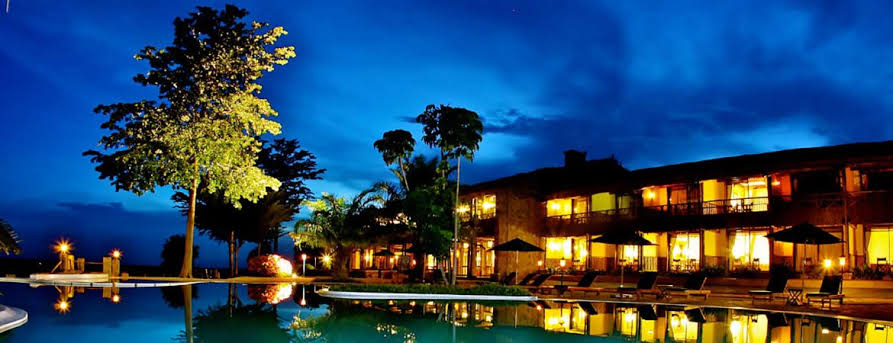
Higher-tier forest lodges with stronger positioning, better dining, and more spacious rooms — the sweet spot most of our Bwindi travellers choose.
Bwindi's most exceptional forest-edge lodges, with panoramic decks, high-end dining, and the option of light-aircraft transfers straight to the trailhead.
Combine Bwindi With
Building Bwindi into a longer itinerary
Very few travellers fly all the way to south western Uganda purely for one hour with gorillas — Bwindi is almost always paired with something else.
Queen Elizabeth National Park
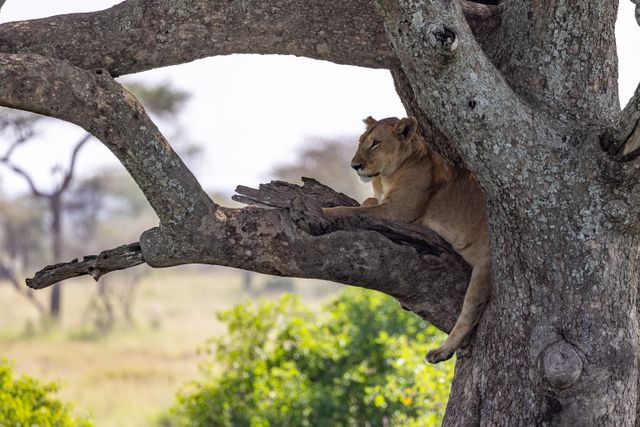
Tree-climbing lions, Kazinga Channel boat cruises, and classic savannah game drives — the natural next stop after the forest.
Lake Bunyonyi
A calm, terraced-hillside lake with no bilharzia and no crocodiles — a genuine rest day between the trek and the next leg of the trip.
Rwanda's Volcanoes National Park
Cross-border gorilla trekking on Rwanda's side, or fly out of Kigali instead of Entebbe to bookend a two-country trip.
The Serengeti or Maasai Mara
For travellers building a full East Africa journey, Bwindi's gorillas pair naturally with the Great Migration further south.
Frequently Asked Questions
Before you book
How much is a gorilla trekking permit in Bwindi in 2026?
A standard Bwindi gorilla permit costs $800 per person for foreign non-residents, $700 for foreign residents, $500 for other African nationals, and roughly UGX 300,000 for East African citizens. UWA also runs a low-season discount of $600 (foreign non-resident) in April, May and November. Confirm current pricing with your operator before booking, since full payment is now required at the time of reservation.
Which Bwindi sector should I choose?
Buhoma has the gentlest average terrain and widest lodge choice — the best first-timer sector. Ruhija sits at the highest altitude with cooler weather and strong birding. Rushaga has the most habituated families and is the only sector offering the Gorilla Habituation Experience. Nkuringo has the toughest trails but Bwindi's best panoramic views.
How fit do I need to be?
Treks range from under an hour to over seven hours of hiking through steep, muddy rainforest, since trackers follow the gorillas' actual location rather than a fixed trail. Most moderately fit travellers manage it comfortably at a measured pace, and porters are available at every trailhead.
What's the best time of year to go?
June–August and December–February are driest and busiest. April, May and November are wetter but come with UWA's discounted low-season permit and thinner crowds. Trekking runs year-round.
Can I combine Bwindi with other parks or countries?
Yes — commonly with Queen Elizabeth National Park, Lake Bunyonyi, across the border into Rwanda's Volcanoes National Park, or as part of a longer multi-country trip into Kenya or Tanzania.
Do I need a visa to trek in Bwindi?
Most nationalities need a Uganda visa or the East Africa Tourist Visa (which also covers Rwanda and Kenya), typically arranged online in advance. Your operator can confirm the current requirement for your nationality and advise on cross-border visa options if you're combining countries.