
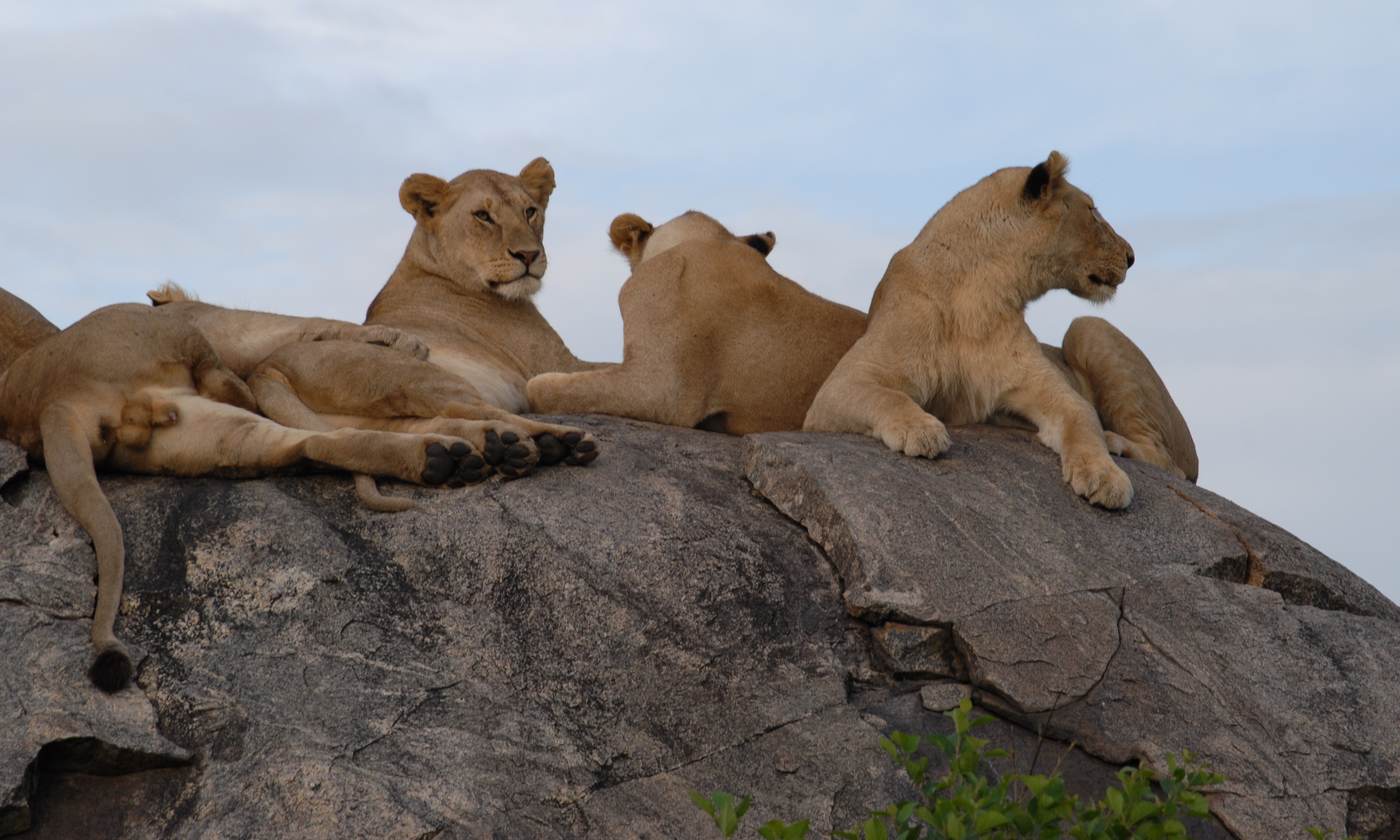
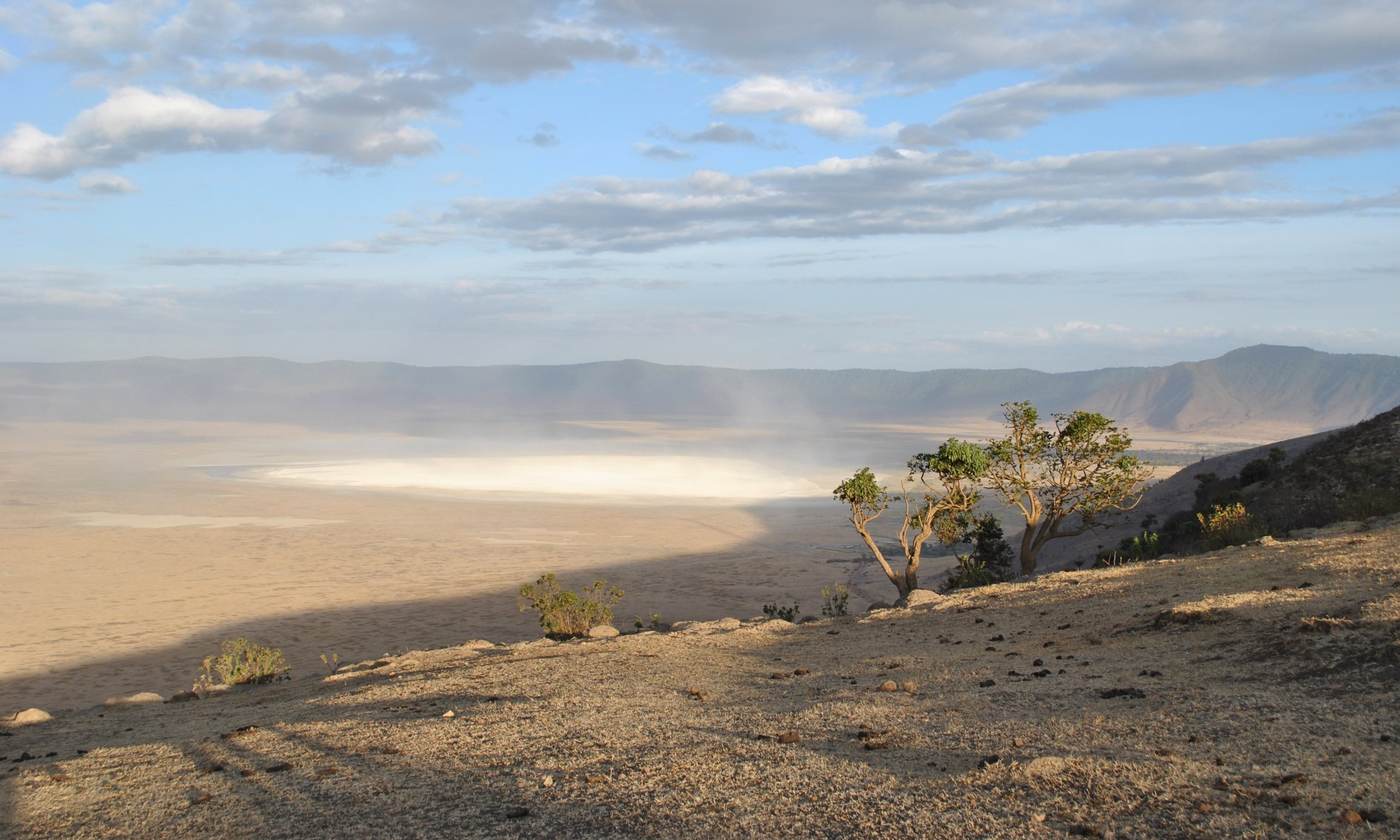
4 Day Serengeti and Ngorongoro Crater Safari
Ask for pricingper person
4 Days
A seven-day private Kilimanjaro climb on the Machame Route, with a licensed crew and a slow pace for acclimatisation.
Best for: fit, determined walkers who want the Machame Route at a pace that gives the body time to adjust to altitude
Itinerary ref: TZ-022
The Kilimanjaro Machame route is one of the most popular ways up Africa's highest mountain, and this 7 day climb gives it the time it needs. You walk through rainforest, moorland and alpine desert, camp each night, and reach Uhuru Peak at 5,895 metres on day 6. The extra day compared with a six-day schedule helps your body adjust.
Tell us your dates and group size and we will send a written quote for this safari.
Request a quoteKilimanjaro is not a technical climb. You walk, with no ropes or special equipment on the standard route, but you do it for seven days, often in rain or cold, and the summit night is long and hard. The challenge is altitude and endurance. The Machame route suits people who are fit, who have done hiking days in the hills and who are ready to walk slowly for many hours. The pace is deliberately slow, so that the body has time to adjust.
The route is called the "Whiskey route" because it is steeper and more scenic than the older Marangu route, and it goes high and then comes down to sleep, which helps with acclimatisation. It is also a busy route, so expect other groups at the camps. A summit cannot be guaranteed: the guides will turn a climber back if their health is at risk. Our Mount Kilimanjaro guide explains the mountain and the routes in more detail.
After breakfast at your hotel your guide collects you for the drive to Machame Gate, about an hour from Moshi and longer from Arusha. At the gate the crew registers, the porters' loads are weighed and you set off at about 11 a.m. The path climbs through montane rainforest, with huge trees, moss and the calls of monkeys and birds. The ground is often wet and muddy, so waterproofs and gaiters matter.
You walk about 11 kilometres in five to seven hours and climb from about 1,640 metres to Machame Camp at 2,980 metres. The camp is in the forest edge, and dinner is served in a mess tent. Your guide checks your health each evening and morning.
The path leaves the forest and climbs steeply through heather and giant moorland plants onto the Shira Plateau. It is a shorter day, about five kilometres in four to six hours, ending at Shira Camp at about 3,840 metres. The views open up to the summit of Kibo and, on a clear day, to Mount Meru far across the plains.
The air is thinner and colder here, and the nights are below freezing in the dry months. Walk slowly, drink plenty of water and eat even when you are not hungry. Guides call it "pole pole", which is Swahili for slowly.
This is the key acclimatisation day. You climb east across the high moorland to Lava Tower, a volcanic rock at about 4,630 metres, where you have lunch. You then descend to Barranco Camp at about 3,950 metres, below the great cliff called the Barranco Wall. Climbing high and sleeping low is the most useful way to prepare for the summit, and it is why this route works well over seven days.
The day is about ten kilometres and takes six to eight hours. Some people feel headaches at Lava Tower. Tell your guide at once if you feel unwell, because the descent is the cure.
The morning begins with the Barranco Wall, a steep rock wall that you scramble up using your hands in places. It looks hard but is not technical, and the porters and guides help you through the bottleneck. At the top you cross a high valley and drop to Karanga Camp at about 3,995 metres. The day is about five kilometres and takes four to five hours, so you have the afternoon to rest.
A short walk of about four kilometres and three to four hours takes you to Barafu Camp at about 4,673 metres. The camp is on a rocky ridge, exposed to wind and cold. After lunch you rest, eat an early dinner and try to sleep for a few hours. The guide briefs you on the summit night and checks your gear: warm layers, headlamp, gloves and a spare battery.
This is the hardest evening mentally, because you wait to start the climb. Keep your phone and camera battery warm inside your clothing.
You are woken around 11 p.m., have tea and biscuits and start walking at about midnight by headlamp. The path zigzags up a steep scree slope for six to eight hours, in the dark and at well below freezing, to Stella Point at 5,756 metres. From there it is about another hour along the crater rim to Uhuru Peak at 5,895 metres, the highest point in Africa, where you arrive at around sunrise.
You stay at the top for only a few minutes, and then descend to Barafu for a rest and a meal, and on to Mweka Camp at about 3,100 metres. The whole day takes twelve to fifteen hours. It is the hardest day of the climb, and you should expect to be very tired.
The last day is a descent of three to four hours through the rainforest to Mweka Gate at about 1,640 metres. At the gate you sign out and receive your summit certificate if you reached Stella Point or Uhuru Peak. The crew sing and dance to say goodbye, and it is customary to tip them. A vehicle takes you back to your hotel for a shower and a meal.
You camp in tents at designated park campsites, as all Machame climbers do. Hotel nights in Moshi or Arusha before and after the climb are not part of the seven days, and we add them to your quote when you ask.
The two main climbing seasons are January to early March and June to October, when the mountain is driest and the views are clearest. June to October is the more popular and the busier on the route. The long rains, from about March to May, make the paths wet and slippery and the summit cloudy, and short rains return in November. Full moon nights help on summit night, because the light on the scree is better.
See the best time to visit Tanzania guide for the calendar, and our guide to combining Kilimanjaro with a safari if you want to follow the climb with game drives.
Tell us when you want to climb and how many of you are going. We reply within 24 hours with a written quote and can add hotel nights, gear hire or a safari after the climb.
Request a quote See all Tanzania safarisSign in to save this safari's dates and party size to your account, so you can pick up right where you left off.
Sign in to save this itineraryBuilt from our own staff's real packing guidance for this trip's destinations, tailored to your dates and this exact itinerary above.
Four steps from your first message to your safari.
Send your dates, group size and the places you want to see. A specialist replies within 24 hours.
We shape this journey around your dates and budget and send you a quote that shows what is and is not included.
A 40% deposit confirms your booking. Where your trip needs gorilla or park permits, we buy them once your deposit has been received and confirmed.
The final balance is due 60 days before departure, unless your booking confirmation says otherwise.
Cancellations and refunds follow our booking terms, and how we protect your trip and your payment explains how your money and permits are handled. Questions first? You can contact us at any time.

Answered from our own real trip details above -- itinerary, inclusions, difficulty, and more. For an exact price, use "Enquire Now" below.
Finish your safari with a few days on the coast.
Tell us your dates and group size — a destination specialist replies within 24 hours.