East Africa Tourist Visa (EATV): Uganda, Kenya and Rwanda Covered, Tanzania Not
The East Africa tourist visa covers Uganda, Kenya and Rwanda for USD 100 and 90 days, but not Tanzania. Fees, first-entry rule, Kenya eTA question and the Tanzania eVisa, dated.
October 11, 2026Published
18 minRead time
Paramount Gorilla Expeditions Team East AfricaAuthor
The East Africa tourist visa (EATV) is a single USD 100 visa that lets you enter Uganda, Kenya and Rwanda on one application, valid for 90 days with multiple entries between the three countries. It does not cover Tanzania. The country where you first enter must issue it, and it stops being useful once you exit the three-country area. This guide explains the rules, the application, the Kenya eTA question and the separate Tanzania eVisa, with every fact dated.
Written by Paramount Gorilla Expeditions Team East Africa. Facts last checked 11 October 2026.
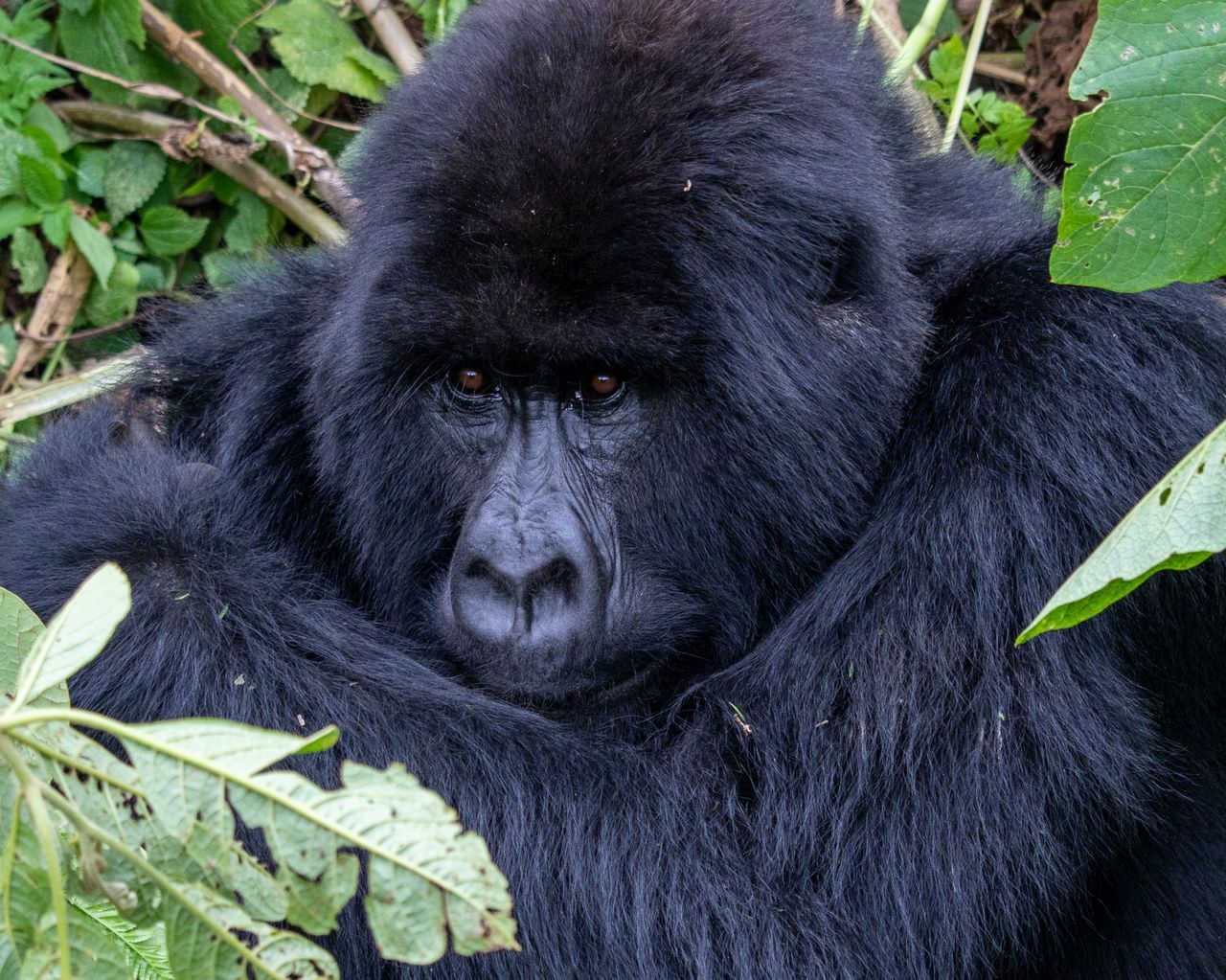
A mountain gorilla silverback. Gorilla trekking draws many guests to Uganda and Rwanda, two of the three countries the visa covers.
USD 100EATV fee, non-refundable
90 daysValidity, multiple entry in the three countries
3Countries covered: Uganda, Kenya, Rwanda
6 monthsMinimum passport validity from arrival
The short answer
The East Africa tourist visa is a USD 100 tourist visa valid for 90 days, with multiple entry, for Uganda, Kenya and Rwanda only. Tanzania is not included and needs its own eVisa. Apply online through the country where you will first enter, because that country must issue the visa. It cannot be renewed or extended after expiry or after you leave the three countries. Some official pages say EATV holders need no Kenya eTA, but Kenya's portal does not confirm it, so check before you rely on it.
Immigration pages in the region are mostly undated and sometimes disagree. Confirm with the issuing immigration office before you pay.
What the East Africa tourist visa is and what it covers
The East Africa tourist visa, often shortened to EATV and also written East African tourist visa, is a single tourist visa for Uganda Kenya and Rwanda. One application and one fee let you cross between the three countries while it is valid. You avoid buying three separate visas. Uganda's immigration page says it is valid for Uganda, Kenya and Rwanda only. The UK Foreign Office (FCDO) calls it a USD 100 online visa with multiple entry for Kenya, Rwanda and Uganda.
It is a tourism visa and does not allow employment. For safari planning its value is simple. A route that joins gorillas in Uganda or Rwanda to the Kenyan savannah can run on one document and one set of fees.
The three countries, and the ones that are not included
The official pages we read name three countries: Uganda, Kenya and Rwanda. Tanzania is not on that list, and neither are other members of the East African Community. We found no official statement adding any further country. Do not assume that a neighbouring state is covered. The name misleads people, because "East Africa" in the title does not mean every East African country.
The visa is also not a replacement for the other documents a trip may need. Tanzania has its own visa and, since 1 October 2026, its own mandatory insurance. Kenya runs an electronic travel authorisation. We cover each below and point to the guide that owns the detail, so you get the same answer wherever you read it.
Still choosing countries? Start with our four-country route guide. Then return here to fit the paperwork to your order.
East Africa tourist visa fee, validity and 90 days of use
The fee is USD 100 and it is non-refundable, with bank charges on top. Validity is 90 days, multiple entry within the three countries, tourism only. Uganda's page also writes "3 months" in one section and means the same period. The table gathers every rule we could confirm, each with its source.
Rule
What the sources say
Fee
USD 100, non-refundable, bank charges apply
Validity
90 days (Uganda also says 3 months)
Entries
Multiple entry, but only inside Uganda, Kenya and Rwanda
Purpose
Tourism only, no employment
Extension
Cannot be renewed or extended after expiry or after leaving the three countries
Passport
At least 6 months valid from arrival; at least two blank pages to be safe
Issuing country
The country where you first enter the three-country area
Three details to check before you pay
First, one commercial source says the 90 days run from the date of issue, not from arrival. Uganda's page does not spell this out. So do not apply months ahead. Leave time for approval and biometrics, but pay close enough to departure that the days are not used up before you land.
Second, one Rwandan mission page summarises the visa as single entry while its own body text says multiple entry. Uganda's page and the FCDO both say multiple entry, which is the position we use.
Third, blank-page rules vary. Rwanda asks for one, Kenya's own eTA page says one and the FCDO says two for Kenya. Two blank pages is the safe standard.
Pro tip: Write your approval date and your first-entry date side by side before you pay. If the 90 days start at issue, a visa approved six weeks before your flight leaves you under 90 days on the ground. That matters on a long route.
Why the East Africa tourist visa does not include Tanzania, and the Tanzania eVisa you need instead
Tanzania is not covered. Uganda's page limits the visa to Uganda, Kenya and Rwanda, and no source we read lists Tanzania. Searches for the East Africa tourist visa Tanzania usually ask one of two things. Does the visa work in Tanzania? It does not. What should I buy instead? The Tanzania eVisa, a separate visa with its own application.
Tanzania's northern highlands sit outside the three-country visa, so they need their own paperwork.
What the Tanzania eVisa costs and how it works
For most nationalities the ordinary single-entry Tanzania eVisa is USD 50. A multiple-entry visa valid for 12 months is USD 100, and US citizens pay USD 100. These fees come from the Embassy of Tanzania in Washington. Its page is undated and not fully clear for US applicants, so confirm the fee for your passport on the day. Apply on the Tanzania immigration eServices portal, eservices.immigration.go.tz.
We do not state a processing time, because the only figure we found came from a low-reliability commercial page. Apply well ahead of travel rather than counting days. A visa on arrival still exists at some entry points. The UK FCDO tells travellers to apply online first, and a multiple-entry visa is not available on arrival.
The eVisa is a visa only. It does not include the separate mandatory inbound travel insurance that mainland Tanzania has required since 1 October 2026, reported at USD 44 for adults. Our guide to Tanzania's mandatory travel insurance explains who must buy it, where and when. For a Kenya and Tanzania trip, see combining Kenya and Tanzania.
The first point of entry rule
The East African tourist visa must be issued by the country where you first enter the three-country area, and you must first use it there. Uganda's page, the Rwanda migration page and a Rwandan embassy page all say the issuing country has to be the first point of entry. This rule catches careful travellers out. The portals look alike, and nothing stops an EATV application going through the wrong country.
Which country should issue your EATV
Apply through the country where you first land or cross into the area. For most safari routes that gives a clear answer.
Entebbe first: apply through Uganda.
Kigali first: apply through Rwanda.
Nairobi first, or a crossing into Kenya from Tanzania: Kenya would have to issue it. We could not confirm an official EATV route on Kenya's own pages (see below). Ask your planner before you pay anyone.
The test is your first entry into the three-country area, not the first stop on your itinerary. Land in Kilimanjaro, spend a week in Tanzania, then cross into Kenya, and Kenya is your first point of entry to the area. That is the awkward case.
Check before you travel: if the flight plan changes after approval, for example Entebbe becomes Kigali, the issuing country may have to change too. Tell your planner before you fly. We found no official page that explains this case.
Both Uganda and Rwanda sit inside the area, so visa holders move between them freely. Our Uganda Rwanda border crossing guide covers the crossings themselves, hours and what to carry.
Applying for the East Africa tourist visa online, step by step
The method differs by issuing country. In every case you apply on the official government portal with your passport details, photo and travel plan ready. Every EATV application follows the same pattern, so here is how to apply online, step by step.
Decide your first point of entry and so the issuing country.
Check that your passport is valid for at least six months from arrival and has at least two blank pages.
Prepare a passport-style photo, your return or onward ticket, your itinerary and documents in English. Uganda's page lists all of these.
Apply on the issuing country's official portal and pay USD 100 (bank charges apply).
Wait for the approval, which for Uganda arrives as a letter by email.
Print the approval letter and carry it. The FCDO says travellers show the letter on arrival in Uganda.
Complete biometrics if the issuing country requires them.
We state no processing time, because the figures we found were undated or commercial. Apply several weeks ahead, not months ahead, for the 90-day reason above.
East Africa tourist visa through Uganda
Apply on Uganda's e-visa portal, visas.immigration.go.ug, and apply for the East African Tourist Visa. After approval, Uganda's process requires biometric capture at an immigration office or border post, so leave time for it. Uganda tells travellers to apply online first. Uganda's immigration site is at immigration.go.ug.
East Africa tourist visa through Rwanda
Rwanda's online route is Irembo, the national services portal: choose the request type "Visa application" and the visa type "V11 East Africa Visa". Rwanda's migration pages say the visa can also be obtained on arrival or at missions abroad. Those pages are dated, so do not count on an on-arrival visa. Apply online. The migration page is at migration.gov.rw.
East Africa tourist visa through Kenya
This is the gap in the published rules. One travel site says Kenya's eTA portal, etakenya.go.ke, offers an EATV option. The portal's own eligibility page lists an "East African Tourist eTA" as coming soon. Until Kenya's own page says otherwise, we would not plan a route that depends on Kenya issuing your EATV. Our planners check the position directly before they quote such a route.
Whichever country you use, apply only on a government portal. Official addresses here end in go.ug, go.ke, go.tz or gov.rw, while third-party agents add charges to the same official fee.
Leaving the three countries on an East Africa tourist visa route
Leaving the three countries ends the visa's usefulness. Uganda's page says the visa cannot be renewed or extended after expiry or upon exit from the block, and a Rwandan embassy page agrees. In practice, a side trip to Tanzania or any other outside country leaves you without a valid visa for the return. This is our reading of the published rules. Confirm it with immigration before you build a route that depends on a return.
That makes the East Africa tourist visa Tanzania question a route-order question. Tanzania works best at one end of the journey, and Zanzibar counts as Tanzania. The table shows the common shapes. For ordering the countries around wildlife, see our route guide and our flight logistics guide.
Two practical notes follow. Crossing between Uganda, Rwanda and Kenya does not count as leaving, because all three sit inside the area. A flight to Zanzibar does count, because Zanzibar is part of Tanzania. If your route returns from Tanzania into one of the three, ask the immigration office of that country which separate visa or authorisation applies, and get the answer before you book the flights.
Common route shapes and what each needs
Route shape
How the EATV behaves
What else you need
Uganda, Rwanda and Kenya, then home
Works throughout if issued by the country where you first enter
Nothing else for the visa, subject to the Kenya eTA check
Uganda, Rwanda and Kenya, then Tanzania last
Works until you leave for Tanzania; you need no return into the three
Tanzania eVisa and Tanzania's insurance
Tanzania in the middle, then back into Kenya, Uganda or Rwanda
Ends when you exit the three-country area, as we read the rules
A separate visa or authorisation for the return; confirm with immigration
Tanzania first, then Kenya, Uganda or Rwanda
Issuing country would be the first one you enter after Tanzania; Kenya's EATV route is unconfirmed
Confirm first; separate documents may be simpler
East Africa tourist visa or separate visas: a cost and route comparison
The single tourist visa for Uganda Kenya and Rwanda costs USD 100 whether you use two of the three countries or all three. So the question is whether your route uses enough of it. We can price the parts we verified on official pages. The EATV is USD 100, the standard Kenya eTA USD 30, and the Tanzania eVisa USD 50 for most nationalities or USD 100 for US citizens. We did not verify the current single-entry fees for Uganda or Rwanda, so we do not quote them. Check each portal on the day.
Your trip
EATV worth considering?
Documents and the fees we verified
Uganda, Rwanda and Kenya
Yes, one application covers all three
EATV USD 100; Kenya eTA question below
Uganda and Rwanda only
Possibly; compare the single-visa fees on each portal
EATV USD 100 versus separate visas, not verified by us
Rwanda and Kenya
Possibly; the EATV covers both
EATV USD 100
Kenya only
No, a Kenya authorisation is the question
Kenya eTA USD 30 standard
Rwanda and Tanzania
Rarely; only Rwanda is covered
Rwanda visa plus Tanzania eVisa USD 50 (USD 100 for US citizens)
Three countries, then Tanzania
Yes for the first three, with Tanzania last
EATV USD 100 plus Tanzania eVisa USD 50, or USD 200 in visa fees for US citizens
Tanzania's USD 44 insurance for adults is separate and not included here.
Which routes use enough of the visa
One commercial source we read, rated low confidence, says Kenya plus Uganda bought separately can cost less than the EATV. We could not verify that. Treat it as a reason to check, not a rule. A route through all three countries is where the single visa tends to make sense, because it replaces three applications with one. A route through two may suit separate documents better. Our multi-country safari guide shows the common shapes.
Take our 9 day Rwanda Tanzania safari. Only Rwanda sits inside the EATV area, so the EATV adds nothing you need. Our 8 day Rwanda Kenya safari is different, because both countries sit inside it and the EATV is a real option.
Lion cubs. Whether the EATV is worth buying depends on how many countries your wildlife route uses.
East Africa tourist visa and Kenya's entry authorisation: what is confirmed
Some official embassy pages say EATV holders do not need a separate eTA, but Kenya's own eTA portal does not confirm it yet, so confirm with Kenya's immigration helpdesk before you rely on it. That is the position on 11 October 2026, in the same wording as our guide to the Kenya eTA for safari travellers.
The evidence is thin on both sides. A Kenyan embassy page says holders of e-visas issued by member states, including the EATV, are exempt from the eTA. The official eligibility page, by contrast, shows an "East African Tourist eTA" as coming soon and carries no exemption text. Many operator blogs state flatly that no eTA is needed. None that we read cites an official source.
Do not treat this as settled: an airline can refuse boarding if you lack an approved authorisation. Being wrong costs far more than asking. Get the answer in writing from Kenya's immigration helpdesk or your planner before departure.
The eTA basics in brief
The mechanics belong to that guide, but the essentials are short. Kenya's official portal, etakenya.go.ke, lists the standard eTA at USD 30 and the transit eTA at USD 20. An expedited option adds USD 100. Standard processing is about three working days and can take longer. The UK FCDO advises applying at least two weeks ahead, and approval must come before you travel.
Kenya exempts Kenyan citizens and residents, East African Community citizens (up to 180 days), many African nationals and airside transit passengers. If your passport is in one of those groups, the question may not arise. See also the official eligibility page for the current list.
Documents and health checks before you apply
For the East Africa tourist visa the core documents are a passport valid for at least six months from arrival, with at least two blank pages, a passport-style photo, a return or onward ticket and an itinerary. Keep documents in English. Uganda lists these items. The UK FCDO gives the same six-month rule for Uganda, Kenya, Rwanda and Tanzania.
Yellow fever
A notice posted on 2 October 2026 by Uganda's immigration authority says a yellow fever certificate is no longer mandatory for entry. The UK FCDO removed its Uganda yellow fever line on 8 October 2026. Uganda's own EATV page still lists a certificate, so that page looks out of date. Tanzania, Kenya and Rwanda ask for a certificate from travellers arriving from yellow fever risk countries. A Tanzania Ministry of Health notice dated 2023 lists Uganda, Kenya and Rwanda among the countries it asks a certificate from, and the lists can change. Carry your certificate; our yellow fever certificate guide sets out each journey. Our guide to malaria, yellow fever and vaccinations covers the medical side.
Outbreak alerts
Health alerts change quickly, so we only give dated facts and link to live pages. The Ebola (Bundibugyo) outbreak is centred on DR Congo (WHO, 8 October 2026). Uganda declared its own outbreak over on 27 August 2026, and Kenya confirmed an imported case on 6 October 2026. WHO advises against travel restrictions. Advisory levels differ by government and some pages lag behind events. Read the live WHO outbreak notice, the CDC situation summary and the UK FCDO health page. Our hub keeps a running note under health alerts.
Insurance sits outside the visa. Tanzania's mandatory inbound cover is separate from private policies. We still recommend private cover for cancellation and high-limit evacuation, as our travel insurance guide explains.
Mweya, in Uganda, one of the three countries the EATV covers.
Who the East Africa tourist visa suits, and the mistakes to avoid
Who it suits
Think of it as a single tourist visa for Uganda Kenya and Rwanda. It suits guests whose routes use all three countries, such as gorillas in Uganda and Rwanda followed by Kenya. Guests who fly in through Entebbe or Kigali can apply through that country directly. Trips with Tanzania at the very end also fit, where the visa serves the first three countries and the Tanzania eVisa covers the last leg.
Single-country visitors and travellers who go to Tanzania mid-route and return are better served elsewhere. Passports with under six months of validity fail the rule. East African Community citizens and residents are generally handled under different rules.
Common mistakes
Assuming it covers Tanzania. It does not. Several pages never say so plainly, and the name encourages the assumption.
Applying through the wrong country. The issuing country must be your first point of entry.
Counting on a visa on arrival. Uganda says apply online first, and Rwanda's on-arrival wording is on dated pages.
Treating the Kenya eTA exemption as settled. Embassy and operator pages say yes, Kenya's portal does not confirm it.
Putting Tanzania in the middle. Leaving the three countries ends the visa's usefulness for the return.
Using unofficial websites. Agents add charges to the same fee, so use government portals only.
Assuming it can be extended. It cannot be renewed or extended after expiry or after exit.
What most guides get wrong is not one number. They state half the picture, usually the USD 100 fee, and stay silent on Tanzania, the first-entry rule or the Kenya eTA. This page answers those parts, and we date every fact.
Next steps for your East Africa tourist visa and safari
Choose your first airport, then the issuing country, then build the route around it. That order keeps the visa rules working for you instead of against you, and it is the order our planners use when they check a route. Our planners in Entebbe confirm the visa sequence, the Tanzania eVisa and the Kenya eTA answer for each route in writing before we quote. We flag anything the published rules leave open. A route such as our 14 day four country safari is set out with that sequence in mind.
Before you pay for anything, run through a short checklist.
Name your first airport and the issuing country it points to.
Check where Tanzania sits in the route and whether you return from it.
Check your passport validity and blank pages.
Get the Kenya eTA answer in writing.
Add the Tanzania eVisa and Tanzania's insurance if the route enters the mainland or Zanzibar.
The visa is only one of the fixed fees on a multi-country route. Our guide to the fixed fees in a four country safari cost sets it beside the permits, the park fees and Tanzania’s insurance, so you can see the whole entry cost.
Plan my trip with the right visa for each leg
Tell us your dates, your first airport and the countries you want to see. We will confirm which document applies where, and say plainly what is still unconfirmed.
#east africa tourist visa#eatv#east african tourist visa#uganda kenya rwanda visa#tanzania evisa#first point of entry#kenya eta#safari visa#multi-country safari#visa for gorilla trekking
Late July to September is the best time for a four country safari across Uganda, Rwanda, Kenya and Tanzania. See the month by month table, the second window and the 2026/27 rain caveat.
Trek gorillas in both countries on one trip: what two permits cost, which Bwindi sector links to Rwanda, which direction to travel and how to protect a rest day between treks.
What an East Africa safari really costs: the four price drivers, official permit and park fees in Uganda, Rwanda, Kenya and Tanzania, our from-prices and how to read a quote.
The fixed part of a four country safari cost: permits, park fees, visas and Tanzania insurance, added up for six routes, plus the ten lines to compare in any quote.
Should gorilla trekking come at the start or end of a long safari? Both sides, the tie-breakers, buffer nights and what to do if a trek is cancelled, with a five-step method to choose.
Work out how many days a Uganda, Rwanda, Kenya and Tanzania safari needs: a nights-per-stop ledger, the transfer days you cannot skip, and what 10 to 21 days really give you.
The Kenya eTA for safari guests: official USD 30 fee, about three working days to process, 90 days validity, who is exempt, transit rules and the open question for regional visa holders.
A planner's guide to a Rwanda Kenya Tanzania safari that starts in Kigali: route order, flights, the Mara to Serengeti link, entry rules and the gorilla permit.
A planner's guide to a Rwanda and Kenya safari: start in Kigali, trek once, fly to Nairobi, then the Mara. Flights, how to split your days and the entry rules for both countries.
A planner's guide to a Rwanda and Tanzania safari: one gorilla trek, RwandAir's three-day-a-week flight, the Serengeti by air or road, and Tanzania's eVisa and insurance rules.
How flights really work between safari countries: international routes, bush flights, the 15 kg baggage limit, the Mara to Serengeti link, overland times and a realistic transit day.
Safari luggage weight limits by carrier: the 15 kg soft bag rule, who allows 20 kg, excess and freight seat prices, storing luggage at the gateway and packing for the multi-country trap.
Tanzania now requires foreign visitors to hold government inbound travel insurance. See what is verified, reported and unknown: cost, exemptions, Zanzibar, buying and enforcement.
The route we recommend for a Uganda Kenya Tanzania safari: the best order, how many days it needs, the best months, how you move between countries and what to check before you book.
Two land posts link Rwanda and Uganda for gorilla trips. Learn which suits your sector, what to carry, how long to allow and why hours differ, checked 11 October 2026.
A Uganda Rwanda Kenya safari on one East Africa Tourist Visa: the order of the three countries, the Nairobi flights, the Mara, yellow fever rules and the open Kenya eTA question.
How to plan a Uganda Rwanda Kenya Tanzania safari: the four route directions compared, the flight chain, how the East Africa Tourist Visa interacts with the order, and what to check.
A planner's guide to a Uganda Rwanda Tanzania safari: Entebbe or Kigali start, the border or flight between the forests, Kilimanjaro flights, visas and Tanzania's insurance.
Visa rules for Uganda, Kenya, Tanzania, Zanzibar and the Seychelles change often. Here is how to check them properly and what to prepare before you travel.
Uganda dropped its yellow fever entry certificate on 2 October 2026, but Kenya, Rwanda and Tanzania still ask. Journey table, 12 hour transit rule and border outcomes, dated.
What is the East Africa tourist visa and which countries does it cover?+
It is a single tourist visa for Uganda, Kenya and Rwanda only. One application and one fee let you move between those three countries while the visa is valid, for tourism but not employment. Uganda's immigration page and the UK FCDO both describe it this way. The official pages we read, checked 11 October 2026, list no other country, so do not assume that Tanzania, Burundi or any other neighbour is included.
Is Tanzania included in the East Africa tourist visa?+
No. Tanzania is not covered, and no official source we read lists it. Tanzania has its own eVisa, which for most nationalities is USD 50 for a single entry, or USD 100 for multiple entry and for US citizens. Apply on Tanzania's immigration eServices portal, well ahead of travel, and confirm the fee for your passport on the day you apply. Tanzania's separate mandatory insurance is a different requirement again.
How much does the EATV cost and how long is it valid?+
The fee is USD 100, non-refundable, and bank charges apply. It is valid for 90 days with multiple entry inside the three countries. Uganda's page also writes three months in one section and treats it as the same period. One commercial source says the 90 days are counted from issue rather than arrival, so we advise applying a few weeks ahead, not months ahead, and confirming with the issuing country.
Is the East Africa tourist visa multiple entry, and does leaving the three countries cancel it?+
It is multiple entry within Uganda, Kenya and Rwanda, according to Uganda's page and the UK FCDO. One Rwandan mission summary says single entry while its body text says multiple, so we use multiple. Uganda's page says the visa cannot be renewed or extended after expiry or on exit from the block. In our reading, going into Tanzania and returning means you need a separate visa or authorisation for the return; confirm with immigration.
Which country should I apply through, and must I enter there first?+
Yes. Apply through the country where you will first enter the three-country area, because that country must issue the visa and you must first use it there. If you land in Entebbe, apply through Uganda; if you land in Kigali, apply through Rwanda. Kenya's own pages did not give us a confirmed EATV application route, so if Kenya is your first entry, ask your planner or Kenya's immigration helpdesk before paying.
Do I still need a Kenya eTA if I have the EATV?+
That is not settled. Some official embassy pages say EATV holders do not need a separate eTA, but Kenya's own eTA portal does not confirm it yet, so confirm with Kenya's immigration helpdesk before you rely on it. The official portal lists the standard eTA at USD 30, with about three working days of processing. Airlines may refuse boarding without an approved authorisation, so get the answer in writing.
Can I extend the East Africa tourist visa?+
No. Uganda's immigration page says the visa cannot be renewed or extended after expiry or after exit from the block, and a Rwandan embassy page agrees. It also cannot be extended while you are in the country. If your trip may run beyond 90 days, plan the entry dates so that the visa covers the whole stay, or ask the relevant immigration office what alternative applies before you travel.
Is the East Africa tourist visa worth it if I only visit two of the three countries?+
It depends on which two and on the separate fees. The EATV costs USD 100 whether you use two countries or three. For Rwanda and Kenya, both are covered. We did not verify the current single-entry fees for Uganda or Rwanda, so add up the separate fees on each official portal on the day. One low-confidence source says Kenya plus Uganda bought separately can cost less than the EATV.
What documents do I need, and is a yellow fever certificate required?+
Uganda lists a passport valid for at least six months, a photo, a return or onward ticket, an itinerary and documents in English; we advise at least two blank pages. A 2 October 2026 notice says Uganda no longer requires a yellow fever certificate for entry, but Uganda's EATV page still lists one. Tanzania, Kenya and Rwanda ask for it from travellers arriving from risk countries, so carry yours if you have one.
What do I need for Tanzania if I am also going there?+
You need a separate Tanzania eVisa, and since 1 October 2026, Tanzania's mandatory inbound travel insurance for foreign visitors entering the mainland, reported at USD 44 for adults. Residents of East African Community and SADC states are excluded. Private insurance does not replace it, according to the UK FCDO. Our insurance guide explains where and when to buy it, and our planners confirm it for your route.
Who cannot or should not use the EATV?+
It does not suit single-country visitors, travellers whose route passes through Tanzania and then returns to Kenya, Uganda or Rwanda, or passports with less than six months of validity. East African Community citizens and residents are generally handled under different rules, for example Kenya exempts EAC citizens from the eTA for up to 180 days. Check your own passport's requirements on each country's official portal.
How do I avoid fake visa websites?+
Apply only on government portals. In this region those addresses end in go.ug, go.ke, go.tz or gov.rw, for example visas.immigration.go.ug, etakenya.go.ke and eservices.immigration.go.tz. Third-party agents add their own charges on top of the official fee. If a site quotes a fee different from the official one, check it against the government page before you pay.
Tick the destinations you're drawn to — each one opens its own list of signature experiences. Tick as many as you like, tell us how to reach you, and a real destination specialist turns your selections into a tailored itinerary within 24 hours.