
First Safari Planning 2027
Start with your travel window and work back through the steps below. The earlier you fix your dates, the more choice you have of camps and permits.
To plan a first safari, work backwards from your dates, not forwards from a wish list. Fix your travel window, choose the one experience you most want, pick a route with as few countries as possible, set a relaxed pace, match the camps to your budget, and then book permits and camps as soon as your dates are firm. Most first-time safari mistakes come from doing those steps in the wrong order.
How to plan your first African safari: the order that works
A first safari is easy to over-complicate. There are four countries with famous parks, dozens of camps in every price band, permits that sell out, and a long list of blog posts that all seem to disagree. The way through is not more research. It is a better order of decisions.
Most people begin with a lodge photo or a price. We begin with a month and a single experience, because those two choices rule out most of the options and make every later decision smaller. Camp, vehicle and budget come after, once you know where you are going and when.
This guide is the planning process for a first-time safari, a step-by-step checklist for beginners from the first idea to the day you fly. For each decision we say what to settle, why it sits where it does, and which of our detailed guides to read next. We keep prices and permit rules out of the main text where they change often. The linked guides state their sources and the date we checked them.
First-time safari planning, step 1: fix your travel window
Your dates shape everything else, so settle them before you look at camps. Many first-time safari travellers have fixed school holidays or a block of leave. If that is you, say so early, because a specialist can then tell you what works well in those weeks instead of what looks best in a brochure. If your dates are flexible, you have more to gain, because the calendar changes what you see and what you pay.
How each country's calendar differs
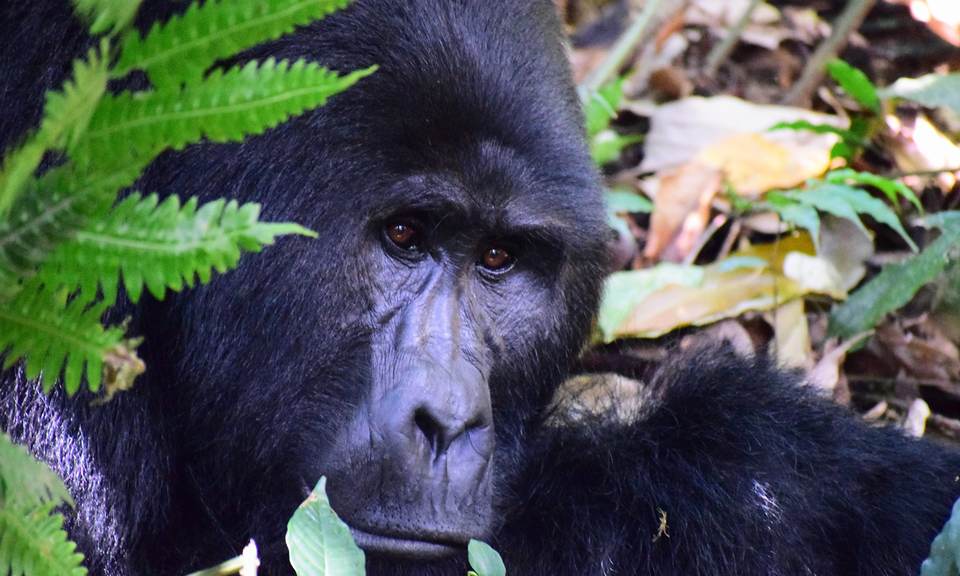
The calendar works differently in each country. Uganda sits on the equator and has no migration to chase. Its two dry seasons, June to August and December to February, make forest trails firmer and game drives easier, and gorillas and chimpanzees can be trekked every month. In Kenya and northern Tanzania the Great Migration dominates the diary. Mara River crossings fall roughly between July and October. The table shows how a few common travel windows line up.
| If you can travel in | What tends to work well | Go deeper |
|---|---|---|
| December to February | Uganda's second dry season; calving season on the southern Serengeti plains in February. Christmas and New Year weeks are priced as peak. | Uganda by month, Tanzania by season |
| March to May | Green season: quieter parks and lower rates, with more rain risk. April, May and November are also the months Uganda has announced lower gorilla permit prices for (we confirm the current rule at quote). | Why the wetter months can be good value |
| June to August | Uganda's first dry season; Mara River crossings in Kenya begin around July. | Kenya month by month |
| September to October | Mara River crossings in Kenya run into October, and the herds move south toward Tanzania later in the period. | The Great Migration month by month |
| November | A quieter month with lower rates in several places; one of Uganda's lower-price permit months. | Uganda by month |
Step 2: Choose one main experience
Next, decide the one thing that matters most to you. For a first safari the usual answers are gorilla trekking, the Great Migration, or a classic big-game safari with lions, elephants and giraffes. Each points to a different country or combination, and trying to give equal weight to all three is the quickest way to build a rushed trip.
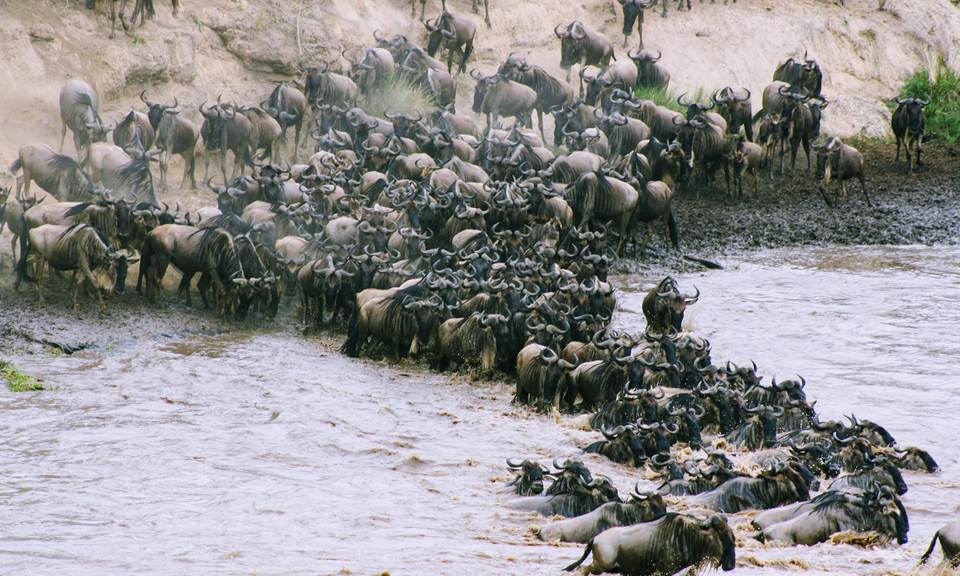
- Gorillas. Uganda and Rwanda are the two countries for mountain gorillas. Every trek needs a permit, groups are limited to eight visitors, the time with the gorillas is one hour, and the minimum age is 15. Our guide for gorilla trekking for beginners covers what a trek is like and how to prepare.
- The Great Migration. The herds move between the Serengeti in Tanzania and the Maasai Mara in Kenya, so you plan around where they are likely to be, not a fixed date. Read how the migration works before you pick a month.
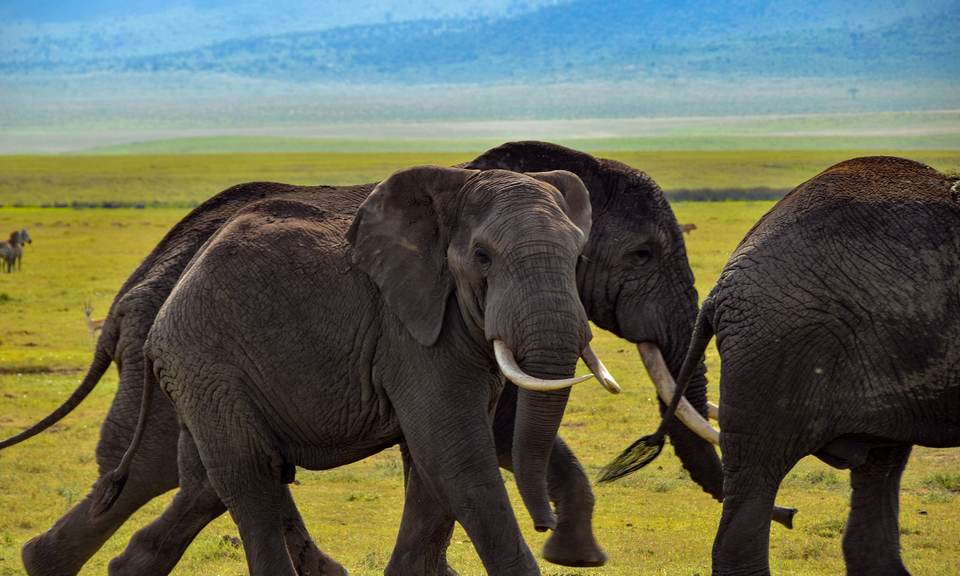
- Classic big-game country. Kenya and Tanzania offer the most reliable open-savannah wildlife viewing for a beginner. Our guide to where to see the Big Five explains what is realistic in each park.
If you are torn between two of these, two of our guides are built for that decision. Migration or mountain gorilla safari compares them by month, budget, fitness and days, and which destination to visit first compares the countries themselves.
Step 3: Pick a route, with as few countries as you can
Once you know your window and your experience, the route is mostly decided for you. The one judgement that remains is how many countries to include. For a first trip to Africa we usually advise one country, or two that link well. Every extra country adds a regional flight, another set of park fees and sometimes another visa. A three-country route can easily involve several flights between arrival and departure.
If you want to combine countries, start from a route that is already proven. Uganda and Kenya together and Kenya and Tanzania together are the most common pairings, and adding Zanzibar gives a beach finish. For routes across three or four countries, our multi-country safari guide covers every route, visa rule and package in one place.
It also helps to know that the East Africa Tourist Visa covers Uganda, Kenya and Rwanda but not Tanzania, which matters if your route crosses those borders. Our East Africa Tourist Visa guide explains how it works.
Finally, decide how you will move between parks. Light aircraft save hours and fatigue and cost more; road transfers cost less and show you more of the country but take longer. Our comparison of a fly-in and a road safari explains the trade-off, and the choice also affects your luggage, which we cover under pace below.
Step 4: Decide your pace
First-time safari planners nearly always try to fit in too much. A plan with a new camp every night leaves more of the trip in vehicles and airports than with the animals. As a rule, three nights at a camp is better than two if you want to see wildlife rather than spend the trip in transit, because the first and last days of any stay are partly taken up by travel.
Fewer places and longer stays also make a trip easier on children, older travellers and anyone who finds early starts tiring. A safari day normally begins with a game drive at dawn and ends at sunset, with a rest in the middle of the day. A pace that suits that rhythm is a pace you will enjoy.
If your route includes light aircraft between camps, the baggage rule matters. Bush flights usually allow 15 kg per person including hand luggage, packed in a soft bag, so a hard-shell suitcase will not fit. See our guide to safari luggage weight limits for the carrier-by-carrier details.
Step 5: Match your style and your budget
Tented luxury camps, owner-run boutique lodges and simpler budget camps all offer real wildlife. The difference is comfort, privacy and exclusivity, not whether you see animals. Decide what matters to you: a private vehicle and guide, a shared one, a particular level of comfort, or the lowest price that still gives a good safari.
It helps to understand what a safari price is made of before you compare quotes. In broad terms a package price is seven blocks: accommodation, meals, the vehicle and guide, park or conservancy fees, internal flights and transfers, special permits such as gorillas or chimpanzees, and the operator's planning and support. Two quotes can look far apart simply because one includes flights and fees and the other does not.
- For the real fees and what drives each block, read what an East Africa safari costs.
- To choose between a shared and a private vehicle, read private vs group safari.
- Travelling alone? Solo travel on safari explains the single supplement.
- Travelling with children? Best age for a family safari covers camp minimum ages.
Step 6: Book early, and in the right order
Gorilla permits and camps in peak months can sell out many months ahead, so book as soon as your dates are firm. Gorilla permits for Uganda are sold through licensed tour operators, not directly to most visitors, which is another reason to start the conversation early. We list our own advised lead times in two guides, and treat every figure as a minimum, not a target.
| What you are booking | How far ahead we advise | Read next |
|---|---|---|
| Gorilla permits for a specific date and sector | 6 to 10 months | How far in advance to book a safari and gorilla permits |
| July to September Mara River crossings, and February calving | 9 to 12 months | How far ahead to book a migration safari |
| Christmas and New Year | 10 to 12 months | Lead times by travel period |
| A flexible mid-range Kenya and Tanzania trip in June to October or January to March | 3 to 5 months | Safari lead times |
Order matters too. Secure the permits and the camps that have the least supply first, then arrange international flights once the in-country plan is firm. Booking flights first is a common mistake, because a flight date can force you into a week when the camp you wanted is full.
A planning timeline and checklist for your first safari
Here is how the work usually falls across the months before you travel. It is a guide, not a rule, and a shorter lead time is still workable in the quieter months.
| When | What to do |
|---|---|
| 10 to 12 months out | Fix your travel window, pick your main experience and a rough route, and speak to a specialist. If you want Christmas, a February calving trip or July to September crossings, request availability now. |
| 6 to 10 months out | Confirm the route and book the gorilla permits and any small camps with few rooms. Pay the deposit that holds them. |
| 4 to 6 months out | Finalise nights per camp, vehicle type and extras such as a balloon flight or a Zanzibar finish. Check your passport and the visa route for every country on the itinerary. |
| 2 to 3 months out | Book international flights to match the in-country plan. Arrange travel insurance with medical evacuation cover. |
| 6 to 8 weeks out | Book a travel health clinic appointment, ideally four to six weeks before you leave. Ask about malaria precautions and your yellow fever certificate. |
| 2 to 3 weeks out | Apply for any e-visas, which we advise doing at least two to three weeks ahead. Pack to the soft-bag weight limit if you will fly between camps. |
| Final week | Download documents, confirm airport pickup details and the first night's address, and carry small US dollar notes for tips. |
Health, visas, insurance and packing: what to sort before you travel
These are the parts of safari planning that do not change the route but can stop the trip if they are missed. We keep this section short because each topic has its own guide.
Health. A yellow fever vaccination certificate is an entry requirement for Uganda, Kenya and Tanzania for travellers arriving from or transiting a country with yellow fever risk, and rules shift, so check the current position for your passport and routing. Malaria risk exists across nearly all the safari regions, so speak to a travel clinic. Read malaria, yellow fever and vaccinations and the yellow fever certificate guide.
Visas. Uganda, Kenya and Tanzania each run an online visa system for most nationalities, so you apply in advance rather than buy on arrival. Our visa guide for five destinations shows how to check the rules for your passport, and our travel documents page collects the paperwork in one place.
Insurance. A safari needs both standard travel insurance and medical evacuation cover, because many camps are hours from a hospital. See travel insurance and medical evacuation cover. Tanzania has also introduced a mandatory travel insurance requirement for visitors, explained in our Tanzania insurance guide.
Packing. Pack light, in layers, in neutral colours and in a soft bag. Our safari packing list covers clothing, gear and gorilla trekking items. For the country-by-country entry rules and local facts, see our travel information centre.
Safety and tipping. Most first-timers also ask whether East Africa is safe and how much to tip. We answer those in is East Africa safe to visit and the safari tipping guide.
Eight first-safari mistakes to avoid
- Choosing the camp before the dates. A beautiful camp can be full in the only month you can travel. Fix the window first.
- Trying to see everything. Gorillas, the migration and the coast in ten days means a trip spent in transit. Choose one main experience.
- Too many one-night stops. Every move costs half a day. Stay three nights where you can.
- Building the itinerary from blog research alone. The logistics between parks, such as flight schedules, road transfer times and park entry windows, are where independently planned trips quietly go wrong. A local specialist checks them for you.
- Booking flights first. Hold your international flights until the in-country plan is firm.
- Comparing quotes that include different things. Ask each operator to list exactly what is and is not included. Our 10 questions to ask a safari operator before booking give you a like-for-like checklist.
- Assuming the dates or permits are flexible. Some permit dates cannot be moved once booked, so confirm the change rules before you pay.
- Skipping evacuation cover. It is inexpensive relative to what it protects against and it is the most commonly overlooked item.
What to tell a safari operator when you enquire
You do not need a finished plan to start. A good first message gives a specialist enough to build a first draft, and the more of the list below you can answer, the faster the proposal comes back. Our guide to what a personalised safari involves explains what happens next.
- Your travel dates, and how flexible they are.
- Who is travelling, and the ages of any children.
- The one experience you most want to have.
- Any fitness or mobility limits, especially if gorilla trekking is on the list.
- A rough budget per person, so the proposal is built to it from the start.
- Your preferred pace, and whether you are happy to fly between camps.
- The countries you have already visited or want to avoid.
- Any occasion you are travelling for, such as a honeymoon or a milestone birthday.
When you are ready, contact us with those details and a destination specialist will reply within 24 hours.
Three first-safari trips to compare
Seeing a real route often makes the decisions above easier. These three trips are good starting points for first-time travellers. Each page has the day-by-day plan, what is included and a price from, and we adjust the route and dates to you. Our full list of safaris has many more.
Classic Serengeti and Ngorongoro Crater Safari
7 days
A week in Tarangire, the Serengeti and Ngorongoro Crater, built around big-game viewing with a private guide.
10 Days Best Of Uganda Safari
10 days
Murchison Falls, tree-climbing lions, Kibale chimpanzees, an optional Bwindi gorilla trek and Lake Bunyonyi.
14 Day Uganda Wildlife and Birding Safari
14 days
Shoebill, Murchison Falls, chimps, gorillas and golden monkeys, ending at Lake Mburo.
Shorter on time? The 6-day Classic Gorilla Trekking Safari in Uganda focuses on one trek, and the 6-day Kenya and Tanzania Short Break Safari covers the Maasai Mara and northern Serengeti. If you want both icons in one trip, see the 10-day gorilla trekking and migration safari.
You can also browse our lodges and camps once you know your route, or read about how we protect your trip and our licences and registration before you choose an operator.
Start your first-time safari planning with us
Official park fees are set by the Uganda Wildlife Authority, the Kenya Wildlife Service, TANAPA and the Rwanda Development Board. We confirm the current fees for your dates in every quote.
Not sure which part of Africa to choose? Read East Africa vs Southern Africa: which region.
Deciding how long to spend in the capital? See our Kampala travel guide.
Wondering what to do near Nairobi first? See our Lake Naivasha and Hell's Gate guide.
First-timers can add a slower, closer look at the Little Five animals to any itinerary.
Not sure what the Big Five and Big Nine mean? Our Big Five vs Big Nine guide explains both lists and which is easier to complete.
First-timers often ask how to stay connected; our SIM card East Africa guide answers it country by country.
Planning a trip with older or less mobile travellers? See our safari for seniors guide.
For choosing a lodge in the gorilla forest, see our best lodges in Bwindi.
For the shortest gorilla trip that works, read our 3 days gorilla trekking guide.
For a honeymoon in Uganda, see our Uganda honeymoon safari guide.
To choose how long to stay in Kenya, read our how many days for a Kenya safari guide.
Heard the word mzungu and wondering what it means? See our mzungu guide.