
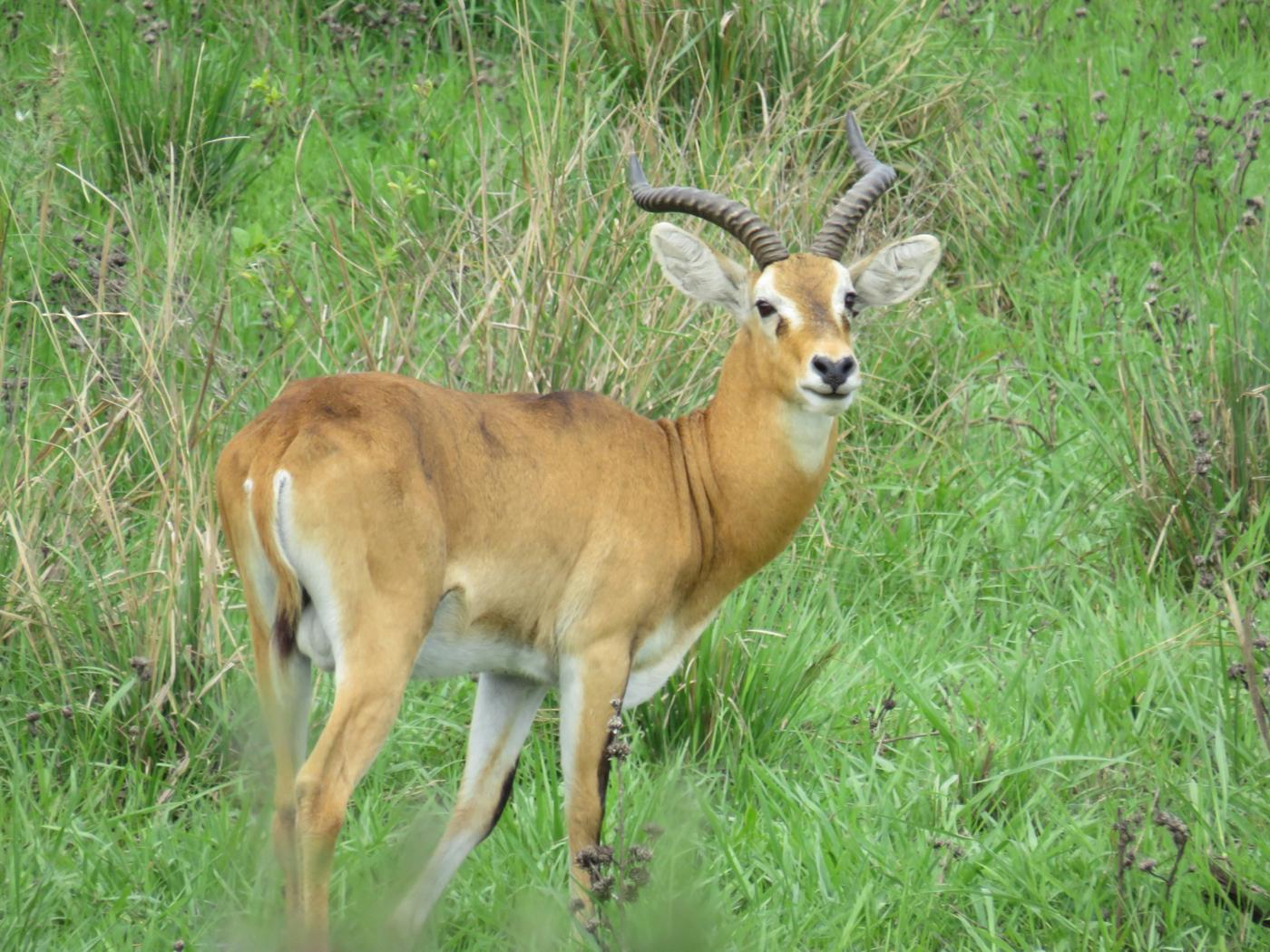
Is Tanzania safe to visit? For most safari travellers the answer is yes, with care, and with a clear view of what the governments of the United States, the United Kingdom and Canada say right now. The northern safari circuit of the Serengeti, Ngorongoro, Tarangire and Lake Manyara runs on well-worn routes with trained guides. But the country has also been through a tense year, with post-election unrest in October 2025, changing advisory levels, a health alert in the region and new entry rules. This guide is written on 5 November 2026. It sets out what each government advises, where the real risks lie, how safe the parks, Arusha, Dar es Salaam and Zanzibar are, what the health and legal rules are and the precautions that matter. People search for it as is Tanzania safe, is Tanzania safe for tourists, is Tanzania safe for safari, is Tanzania safe to travel to, Tanzania travel advice, Tanzania travel advisory, Tanzania travel warning, is Arusha safe, is Zanzibar safe and is Dar es Salaam safe.
Quick answer
Tanzania is a safe country for a planned safari, provided you avoid the Mozambique border zone in the far south, keep up with the current government advice, travel with a licensed operator and take ordinary precautions in cities. The United Kingdom's only "against all but essential travel" warning covers the area within 20 kilometres of the Mozambique border, and Canada's strongest warnings cover the Mtwara Region on the same border. Neither is near the safari parks.
The United States changed its Tanzania advisory more than once after the 2025 election. News reports dated 16 October 2026 say it was reissued at Level 2, "Exercise increased caution", with Mtwara Region still at Level 3. Check the level on travel.state.gov before you book. Crime, mainly bag snatching and robbery, is the most common problem for visitors. The government of Tanzania has also made travel insurance and an online health form mandatory for arrivals.
Is Tanzania safe to visit at a glance
| Item | What to know |
|---|---|
| Safari circuit (Serengeti, Ngorongoro, Tarangire, Manyara) | Not singled out for a warning in the UK or Canadian advice |
| Areas advised against | The Mozambique border zone in Mtwara: within 10 km (Canada) or 20 km (UK) |
| United Kingdom | No nationwide warning; updated 30 October 2026 |
| Canada | Exercise a high degree of caution overall |
| United States | News reports say Level 2 from 16 October 2026; read the live page |
| Main risks | Bag snatching, robbery, road accidents, express kidnapping in Dar es Salaam |
| Health | Malaria, yellow fever certificate rules, online health surveillance form |
| Insurance | Mandatory inbound policy since 1 October 2026 |
| Emergency number | 112 |
| Zanzibar | Same Tanzania rules, plus modest dress and Zanzibar insurance if you land there first |
Chapter 01: What do the governments say right now?
Each government gives a different level of detail, so read them together.
The United Kingdom updated its advice on 30 October 2026 with a hotel burglary warning. It carries no nationwide warning. It advises against all but essential travel only within 20 kilometres of the border with Mozambique, because of Islamist extremist attacks in Cabo Delgado across the border.
Canada tells travellers to exercise a high degree of caution overall because of crime and terrorism. It advises avoiding all travel within 10 kilometres of the Mozambique border in Mtwara Region, and avoiding non-essential travel to southern Mtwara between the A19 highway and the border, not counting Mtwara City.
The United States issued Level 3, "Reconsider travel", on 31 October 2025 after the election unrest. News reports dated 16 October 2026 say it was lowered to Level 2, with Mtwara Region kept at Level 3. The reasons it lists are crime, terrorism, health, unrest, arbitrary law enforcement and the targeting of gay and lesbian people. Because the United States page has changed several times, read it on the day you book and again before you fly.
Australia's Smartraveller page carries a much stricter wording that describes the election week, so treat it as out of date until Australia updates it.
Chapter 02: Is the northern safari circuit affected?
Not by any of the warnings above. The UK and Canadian pages do not single out the Serengeti, Ngorongoro, Tarangire or Lake Manyara. The areas they flag are in the extreme south-east of the country, far from the northern parks. The parks themselves are run by TANAPA and the Ngorongoro Conservation Area Authority, with rangers, gates and speed limits.
What does reach the parks is the logistics. During the October 2025 unrest, flights were disrupted and some borders saw clashes, so a route that crosses from Kenya at Namanga or relies on a single flight deserves a spare day. A good operator builds that in.
Chapter 03: What happened after the October 2025 election?
Protests began on election day, 29 October 2025, in Dar es Salaam. The government imposed an internet blackout and a curfew, and the unrest spread to Arusha and Mwanza within two days. A nationwide curfew from 6pm to 6am was announced on 1 November, internet was largely restored around 3 November, and the Dar es Salaam curfew was lifted several days later. The number of people killed is disputed and ranges from the ten confirmed by the United Nations on 31 October to hundreds in later figures.
Calls for protests on 9 December 2025, Independence Day, were met with empty streets and heavy police and army deployment. In 2026 the opposition party Chadema planned protests for 7 July, and officials from the party have been charged with terrorism offences. What this means for you is simple. Demonstrations can recur with little notice, often around public holidays. Avoid crowds and checkpoints, never film or photograph a protest, because the UK warns it is illegal, and do not post about politics while you are in the country. Keep your operator's number and your embassy's number saved offline, because internet access has been cut before.
Chapter 04: What about crime and scams?
Crime is the risk most visitors meet. The UK says armed robbery, bag snatching, burglary and sexual assault occur, especially in tourist areas, and that women travelling alone have been harassed. The United States says violent crime is common and police capacity is limited.
Three patterns matter. In Dar es Salaam, the United States and Canada both describe express kidnapping, where a victim is forced to withdraw cash from ATMs, often after taking an unlicensed taxi or accepting a stranger's help. The UK's 30 October 2026 update adds hotel burglary. Canada names the city centre, Masaki and Oysterbay, Coco Beach, Toure Drive and Kariakoo Market as places for extra care. In Arusha, the United States reports home invasions, which concern residents more than short-stay guests. And visa and safari scams are common enough that Canada names them, which is why the booking chapter below matters.
The precautions are the ones you would use in any large African city: use taxis arranged by your hotel or operator, carry one card and a small amount of cash, keep phones out of sight on the street, and do not walk after dark.
Chapter 05: Is there a terrorism risk?
The risk is real but concentrated. The UK says attacks cannot be ruled out and that tourist places, hotels, restaurants, transport hubs and places of worship could be targets, naming Al-Shabaab and the Islamic State group in Mozambique. The United States places the highest risk in Mtwara along the Mozambique border. Canada adds that you should be watchful around sporting events, religious holidays and elections.
Canada also flags banditry in the north-west near the borders with Burundi, the Democratic Republic of Congo and Rwanda, around Kigoma and Kagera, and care near Lake Tanganyika. Mahale and Gombe, the chimpanzee parks, lie in that region, so read the advice if you plan to visit them. A route through the northern or southern safari circuits does not cross the Mozambique border zone.
Chapter 06: Is Zanzibar safe?
Zanzibar is among the most visited parts of the country, and the rules are the same as on the mainland with a few local additions. Incidents of theft occur in Stone Town, at hotels and on busy beaches, and Canada names Nungwi, Paje and Jambiani. Hotel burglary and bag snatching are the usual problems, and violence against visitors is rare.
Dress modestly away from the resorts. The UK warns that fines of at least US$700 can apply for offending local dress norms, so cover shoulders and knees in Stone Town and villages. Zanzibar also runs a separate insurance scheme of its own, in force since 1 October 2024. Past Zanzibar elections have turned violent, so check the advice if your dates fall near a vote. For the beach areas, read where to stay in Zanzibar, and for Stone Town, read Zanzibar beyond the beach.
Chapter 07: How safe are the roads and transport?
The roads are the most statistically dangerous part of a Tanzania trip. The UK and Canada both warn of poor roads, frequent accidents and the risk of driving outside towns at night. Dala-dalas (minibuses), boda-bodas (motorbike taxis) and bajajis (three-wheelers) have poor safety records, and you should not use them.
On safari this is less of a problem than it sounds. Your guide drives in daylight, the Serengeti gates close at 6pm, and the park bans night driving between 7pm and 6am and sets a speed limit of 50 kilometres an hour. Police checkpoints are common on the main roads. Be polite, carry a copy of your passport, and do not pay fines on the spot. If you fly between camps, choose a scheduled operator and travel with soft bags. Our Arusha to Serengeti guide explains the road and the flight.
Chapter 08: What are the health risks?
Malaria is present in parts of the country in all seasons, and your doctor or a travel clinic should advise on preventive medicine. Our malaria and yellow fever guide covers the choices. Travellers arriving from, or transiting, a yellow-fever-risk country must show a certificate, and that list includes neighbours such as Kenya, Uganda and Rwanda. Our yellow fever certificate guide explains who is caught. Cholera occurs in some areas, though most travellers are at low risk if they drink bottled or treated water.
There is also a health alert in the region. The World Health Organization declared an Ebola outbreak a public health emergency of international concern in May 2026, and the Democratic Republic of Congo's outbreak is continuing. Kenya confirmed its first case on 6 October 2026. Tanzania's Ministry of Health has said the country is Ebola-free, and its Travel Advisory No. 18 of 17 October 2026 states there are no cases in Tanzania. It also makes an online health surveillance form mandatory for all arrivals, with temperature checks. The US Embassy's notice of 3 November 2026 says to complete the form within 24 hours before arrival and keep the QR code. Anyone without it completes it at the airport, with delays. Travellers judged high-risk can be monitored for 21 days. These measures change quickly, so read the Ministry of Health and your embassy's notices before you fly.
Hospitals often expect payment up front, and the quality of care is limited outside Dar es Salaam. That is why medical evacuation cover matters. Our travel insurance and evacuation guide explains what to buy.
Chapter 09: What does the mandatory insurance rule mean for safety?
Since 1 October 2026, foreign visitors entering mainland Tanzania must hold the government's inbound travel insurance policy, which costs USD 44 for an adult, covers up to 92 days with multiple entries, and includes emergency medical care, evacuation and repatriation. Residents of EAC and SADC member states are exempt. A visitor without it can be refused entry. Zanzibar's scheme has applied since 1 October 2024, and you buy cover once, for your first port of entry. Our mandatory travel insurance guide explains how to buy it, and it does not replace your own policy for trip cancellation and extra cover.
Chapter 10: What laws catch visitors out?
Several ordinary habits are illegal. Plastic bags are banned, so do not pack them. Drones need a Tanzania Civil Aviation Authority import permit, registration and an operations permit, applied for at least a month ahead, and a drone without the permit can be seized at the airport. Photographing military sites and some government buildings is prohibited. Drug laws carry severe penalties, including for transit, and some CBD products are illegal.
Same-sex sexual activity is illegal, public displays of affection can lead to arrest, and the United States lists the targeting of gay and lesbian people among its reasons for caution. Lesbian, gay, bisexual and transgender travellers should read their government's advice and plan accordingly. Declare cash of USD 10,000 or more when you enter or leave. During Ramadan, be discreet about eating and drinking in public in Zanzibar and in Muslim communities.
Chapter 11: Who needs extra care?
Solo travellers, and women in particular, should use arranged transfers, avoid walking alone at night and choose hotels in well-lit areas. Our solo travel guide covers costs and safety. Families should plan road transfers carefully, because long drives tire children and daytime flights shorten them. Older travellers and anyone with a health condition should confirm their insurance covers pre-existing conditions and evacuation. Climbers on Kilimanjaro should note that altitude sickness is a risk above 2,500 metres and that insurance must cover helicopter rescue.
Chapter 12: Does the US travel ban affect visitors to Tanzania?
No. A United States proclamation, effective 1 January 2026 and reviewed every 180 days, partially suspends entry for Tanzanian nationals applying for certain US visas. It applies to Tanzanian passport holders going to the United States. It says nothing about foreigners visiting Tanzania, and a US citizen's entry to Tanzania is not affected. The headlines mix the two, which is why so many travellers search for it.
Chapter 13: How should you book to stay safe?
Book through a licensed Tanzanian operator or a company that works with one, pay by card so you have a chargeback right, and never wire money to a personal account. The UK advises against buying safari tours from touts, and Tanzania's tourism ministry suspended one operator's licence on 2 October 2026 after complaints that it took payments and did not pay hotels. Our guide to booking a Tanzania safari explains how to check a company, what a quotation should show and which scams to avoid.
Chapter 14: What precautions do we recommend on every trip?
Check the three governments' pages in the week you fly. Buy the mandatory Tanzania insurance and a policy that covers evacuation. Complete the online health form on the day you travel. Carry a passport copy and keep the original in the hotel safe. Use arranged transfers, not street taxis. Keep valuables out of sight, use one card, and avoid the Mozambique border zone. Save your operator's number and your embassy's number offline. Follow your guide's instructions around wildlife, and do not leave the vehicle unless told it is safe.
Chapter 15: What mistakes should you avoid?
Reading one outdated advisory and forgetting to check the others, arriving without the mandatory insurance or the health form, flying in with a drone or plastic bags, taking an unlicensed taxi at the airport, paying a safari deposit by wire to a stranger, photographing a protest, assuming Zanzibar has no rules about dress and booking a tight connection when a protest or a storm could close a road.
Chapter 16: Is it worth going?
Yes. The Serengeti, the Ngorongoro Crater and Zanzibar are among the best travel experiences in Africa, and the northern circuit is not where the warnings apply. Travellers who take sensible precautions, buy the right insurance and book a licensed operator go home safely and often return.
Chapter 17: What is the verdict?
Tanzania is safe for a safari if you read the current advice, avoid the Mozambique border zone, buy the mandatory insurance and the right medical cover, and take the same care you would in any large African city. Re-check the government pages the week you fly, because the situation has changed more than once in the last year.
Tell us your dates and route, and we will send a written quotation, the current government advice for the areas you will visit and the precautions we take on every trip. See our Tanzania destination page, our Tanzania safari guide and tours such as our Classic Serengeti and Ngorongoro Crater safari and our Kenya and Tanzania honeymoon safari.
Tell us your dates, how many are travelling and what worries you, and we will reply within 24 hours with a written plan and a quotation that shows every line separately.
Request a free quotation