
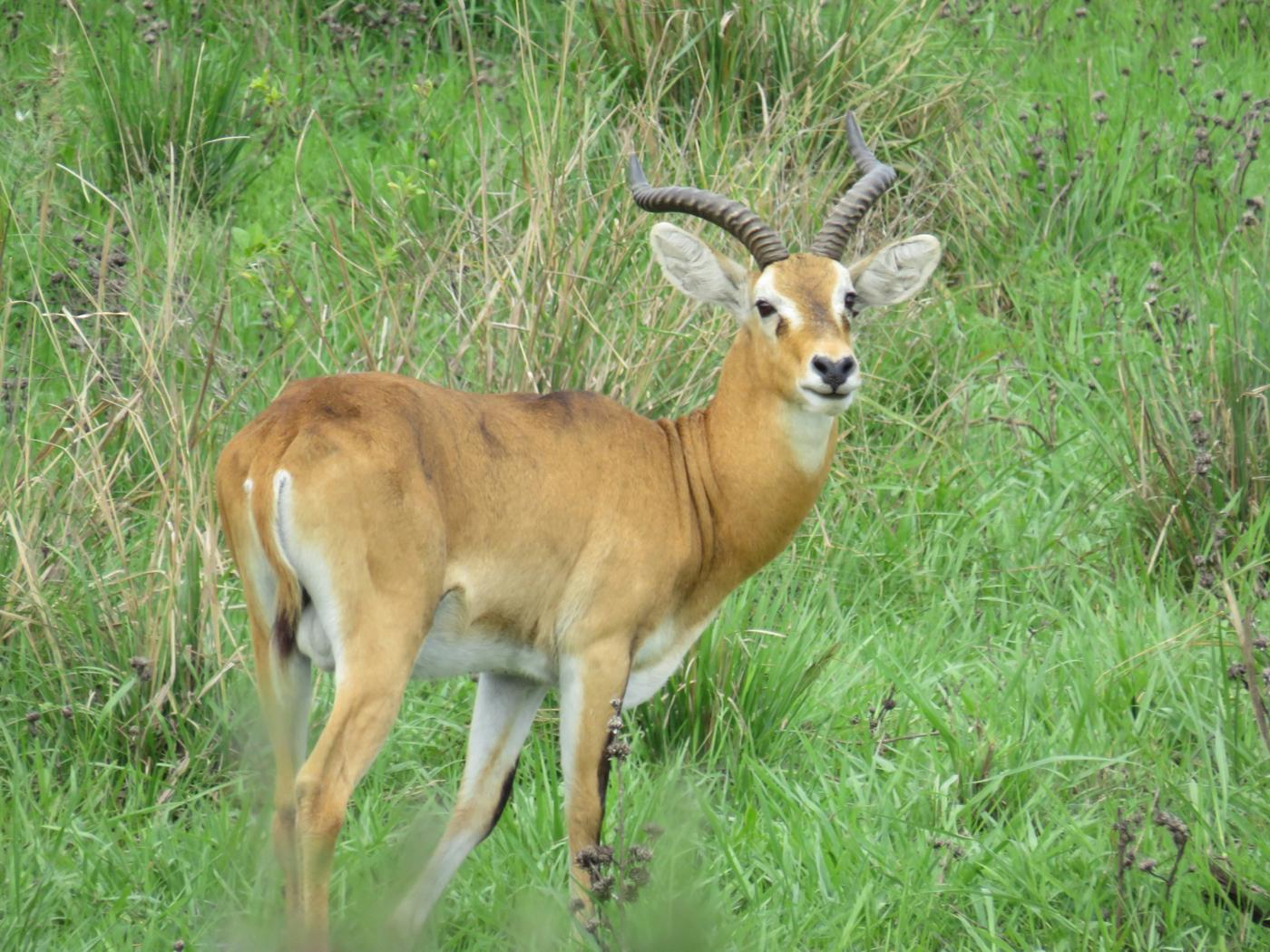
Getting from Arusha to the Serengeti is the longest single transfer on most Tanzania safaris, and the choice between driving and flying shapes your whole trip. By road it is a long, scenic day that passes through the Ngorongoro Conservation Area. By air it is an hour or so over the Rift Valley and the plains. This guide explains the real distances and drive times, the road surface, the gates and their hours, the scheduled flights from Arusha and Kilimanjaro, the airstrips and when each one is open, baggage limits, fares as a market range, how to choose between road and air, and the 2026 road works and floods that affect the journey. People search for it as Arusha to Serengeti, Arusha to Serengeti drive, Arusha to Serengeti flight, how far is Serengeti from Arusha, distance from Arusha to Serengeti, how long to drive from Arusha to Serengeti, Arusha to Seronera and how to get to Serengeti.
Quick answer
By road, Arusha to the central Serengeti at Seronera is about 325 to 350 kilometres and takes 6 to 8 hours, with the northern Serengeti at Kogatende or Lobo adding several hours more, so fly to the north. By air, a scheduled light-aircraft flight takes about 30 minutes to 1 hour 15 minutes depending on whether it is direct or calls at Lake Manyara.
The road is paved as far as Karatu and the Ngorongoro gate, then gravel and corrugated to the Serengeti. The Serengeti gates open at 6am and close at 6pm. Luggage on the small aircraft is usually limited to 15 kilograms in a soft bag. Flying costs roughly USD 250 to 500 per person each way as a market range, and your written quotation shows the exact fare.
Arusha to Serengeti at a glance
| Item | What to know |
|---|---|
| Road distance to Seronera | About 325 to 350 km |
| Road time to Seronera | 6 to 8 hours with stops |
| Road to Naabi Hill Gate | About 6 hours from Arusha |
| Naabi Hill to central Serengeti | A further 1 to 1.5 hours |
| Road to the northern Serengeti | Several more hours; fly instead |
| Road surface | Paved to Karatu and the Ngorongoro gate; gravel after the crater |
| Flight time to Seronera | About 30 minutes to 1 hour 15 minutes |
| Departure airports | Arusha Airport (ARK) and Kilimanjaro (JRO) |
| Gate hours | 6am to 6pm; speed limit 50 km per hour |
| Baggage by air | 15 kg in a soft bag is the usual limit |
| Fare, market range | Roughly USD 250 to 500 per person each way |
Chapter 01: How far is the Serengeti from Arusha by road?
Sources give slightly different figures because the route changes with the part of the park you are heading to. Arusha to Seronera in the central Serengeti is about 325 to 350 kilometres, and the drive takes 6 to 8 hours including stops and gate formalities. Arusha to Naabi Hill Gate, the main southern entrance, takes about 6 hours, and Naabi Hill to central Serengeti adds a further hour to an hour and a half.
Along the way, Arusha to Mto wa Mbu at Lake Manyara takes about 1 hour 45 minutes, Mto wa Mbu to Karatu about 40 minutes, and Arusha to Karatu 2.5 to 3 hours. From the Ngorongoro crater rim to Seronera is about 140 kilometres and 3 to 4 hours. Add time for toilet stops, a picnic lunch, the gate paperwork and any game viewing on the way, because the road passes through wildlife areas.
Chapter 02: Which road do you take?
There is one main route. You leave Arusha on the paved highway towards Makuyuni, pass the turn-off for Lake Manyara and Mto wa Mbu, climb to Karatu, and enter the Ngorongoro Conservation Area at the Lodoare Gate. You then drive around the crater rim and descend to the plains towards Naabi Hill Gate and the Serengeti. Safaris that include Tarangire or Lake Manyara join this road from a side track, and safaris that stay on the rim for a night break the journey in two.
The Ngorongoro Conservation Area is a separate authority from the national parks, so driving through it carries its own fees even if you do not go down into the crater. Your written quotation shows them, and our Tanzania safari cost guide explains park fees in general.
Chapter 03: What is the road like?
The tarmac runs from Arusha through Makuyuni and Karatu to the Lodoare Gate, followed by about 16 kilometres of pavement and then a steep 6-kilometre unpaved climb to the crater rim. From the crater to Naabi Hill the road is unpaved and rough, and Serengeti roads, including those to the north, are gravel, corrugated and weather-dependent. The long dry stretch is bumpy and dusty, and it is slow after rain.
Government work is under way on several roads. In February 2026 the Ngorongoro Conservation Area Authority announced upgrades to sections including Loduare to Golini, Endulen to Ndutu and Ndutu to Golini, and the crater rim roads. In March 2026, heavy rain damaged roads and bridges in the Serengeti, and the government announced about TSh 8.1 billion for repairs. In June 2026 a section of the road between Ndabaka Gate and Fort Ikoma was under rehabilitation. Ask your operator for the current state of the road on your dates, particularly if you travel in the rainy months, when stretches such as Golini to Seronera have trapped vehicles in the past.
Chapter 04: How long is the road to the northern Serengeti?
The northern Serengeti around Kogatende and Lobo, where the Mara River crossings happen, is much further. Published figures put Arusha to Lobo at about 7 hours and to Kogatende at about 8 hours, but those figures look optimistic, and another source gives Lake Manyara or Karatu to the north as 290 kilometres and 8 to 9 hours. Add the Arusha to Karatu leg and the realistic total is closer to 10 or 11 hours. From central Serengeti to the north is about 140 kilometres, which takes about 4 hours without stops and 7 to 8 hours with a game drive.
That is why almost every safari to the north flies. If you drive, plan at least two nights on the way, one in the central Serengeti. Our northern Serengeti guide explains the crossing areas.
Chapter 05: When are the gates open?
The Serengeti gates open at 6am and close at 6pm. After 6pm the gates are closed, and late entry or exit is possible only with the permission of the Park Warden, for example after a breakdown or a weather closure. Driving is not allowed at night, from 7pm to 6am, and the speed limit is 50 kilometres an hour. The main road gates are Naabi Hill, Handajega, Fort Ikoma, Klein's, Bologonja and Ndabaka. The Ngorongoro Conservation Area allows driving from 6am to 6pm.
These hours decide your day. A road transfer that starts at 7am from Arusha should reach the Serengeti well before dark, and a late start or a breakdown on the corrugated stretch can push you towards the closing time.
Chapter 06: Which airports and airstrips are used?
Scheduled flights leave from Arusha Airport (ARK), which lies about 8 kilometres west of central Arusha, and from Kilimanjaro International Airport (JRO), about 50 kilometres away. Lake Manyara (LKY) is a stop on some routes. In the Serengeti the airstrips on the published timetables include Seronera, Kogatende, Lobo, Lamai, Ndutu, Grumeti, Fort Ikoma, Singita and Mwiba.
Each strip serves a different part of the park and a different season. Seronera in the central Serengeti is open all year. Kogatende in the north is used from about June to October, when the herds are there. Ndutu in the south serves the calving season from about December to March, and Grumeti in the west is used from about May to July. Match the airstrip to the camp, because a camp at Kogatende is a long drive from Seronera, and our guide to the Serengeti's regions explains where each one is.
Chapter 07: Who flies and how often?
Coastal Aviation publishes a timetable, valid to 31 May 2027 and updated in April 2026, with daily flights unless noted. Departures from Arusha Airport include 07:45, 10:45 and 15:00 via Lake Manyara, and a direct 10:30 flight to Seronera runs only from July to September. From Kilimanjaro the departures are 11:15 and 15:45. Flightlink publishes a schedule valid from 1 June 2026 to 31 May 2027, with direct Arusha to Seronera flights at 07:00, 10:00 and 13:00 in about an hour, and about 1 hour 15 minutes via Manyara. Auric Air and Regional Air are also listed as serving the Arusha and Serengeti routes.
Some flights are suspended during the long rains, from mid-March to the end of May. The times above are estimates and change with the season, so ask your operator for the flights on your dates. Return flights from the Serengeti to Kilimanjaro are available, including a direct morning Flightlink service.
Chapter 08: What are the baggage limits?
Coastal limits luggage to 15 kilograms per person including hand luggage. It strongly recommends soft bags, accepts a soft duffel up to 40 by 40 by 80 centimetres, and allows a small hard case up to 76 by 48 by 29 centimetres if it fits the cargo pod door. A larger seat, at an extra cost, gives 30 kilograms. Anything over the allowance is accepted at the airline's discretion and charged at the freight rate. Other airlines quote 15 to 20 kilograms, and some a little more, so check each one. Our safari luggage weight limits guide explains what to pack and where to leave the rest.
Chapter 09: What does the flight cost?
Fares are priced per person and by route. Published market estimates put them at roughly USD 250 to 500 per person each way, with the northern airstrips at the top of the range, and a private charter costs roughly USD 1,200 to 3,000 per aircraft. Coastal's fares for children apply to ages 2 to 12, and infants under two fly free. These are market ranges, not airline tariffs, and your written quotation shows the exact fare for your flight.
Chapter 10: Should you drive or fly?
Fly if you are going to the northern Serengeti, if your trip is short, if you travel with children, or if you want the Serengeti to be the centrepiece of the safari. The flight turns an 8-hour day on corrugated roads into an hour in the air and a game drive from the airstrip. Drive if you want to see Ngorongoro and the Rift Valley on the way, if your route links Tarangire, Manyara and the Crater, or if your budget favours a road trip.
Many travellers combine both. They drive from Arusha through Tarangire and Ngorongoro into the Serengeti, and fly out from Seronera to Arusha or Kilimanjaro, which saves a day and avoids repeating the road. Our fly-in vs road safari guide compares the two in general terms.
Chapter 11: What should you plan around the weather?
The rainy seasons make the road slower and sometimes impassable. Heavy rain in 2025 and 2026 left vehicles stuck and tourists stranded, and flights were missed. Build a spare day into any itinerary that depends on a flight home the day after a long road transfer, and avoid booking an international flight on the same day as your last drive. Our best time to visit Tanzania guide explains the seasons.
Chapter 12: How do you plan the first and last days?
International flights often reach Kilimanjaro late at night or early in the morning, and the road day to the Serengeti starts after a night in Arusha. Our Kilimanjaro Airport arrival guide covers the airport and the transfer to Arusha. On the way home, leave margin for the flight back to Arusha or Kilimanjaro and the international departure.
Chapter 13: What mistakes should you avoid?
Underestimating the road to the north, packing a hard suitcase for a light aircraft, choosing an airstrip that is not open in your season, scheduling an international flight the same day as the last drive, forgetting that the Ngorongoro Conservation Area charges its own fees, arriving at a gate after 6pm and assuming a flight will run in the rainy season without checking.
Chapter 14: What is the verdict?
Drive to the central Serengeti if you want the Rift Valley and Ngorongoro on the way and do not mind a long day. Fly to the north, and fly if you are short of time. Whichever you choose, start early, pack in soft bags and match the airstrip to your camp.
Tell us your dates, the part of the Serengeti you want and whether you prefer to fly or drive, and we will reply within 24 hours with a written quotation that includes the flights or the driver-guide. See our Tanzania destination page and tours such as our Classic Serengeti and Ngorongoro Crater safari and our Tanzania grand migration explorer.
Tell us your dates and whether you prefer to fly or drive, and we will reply within 24 hours with a written quotation that includes the transfer, the driver-guide or the flights.
Request a free quotation