
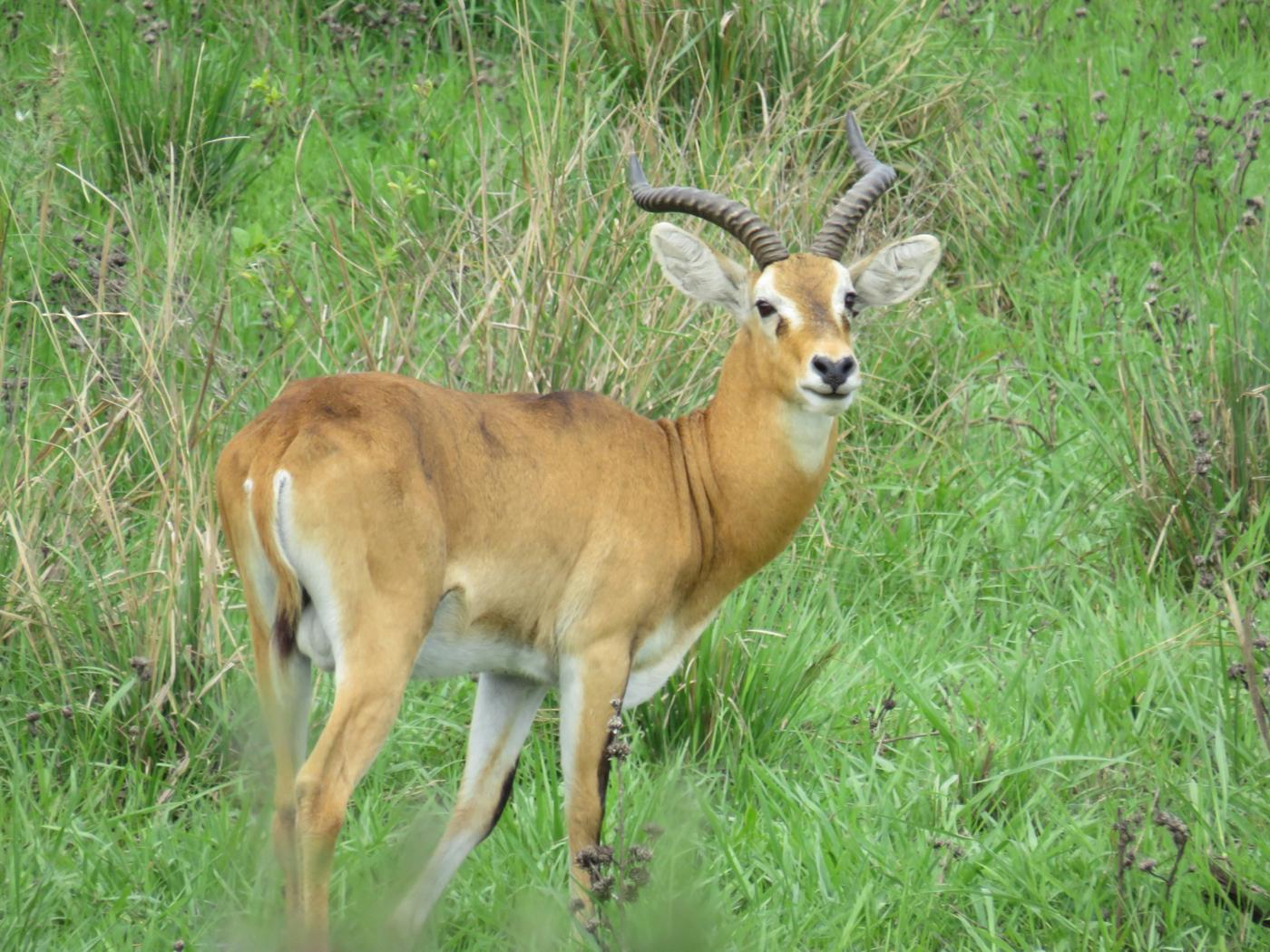
Katavi National Park is the wildest, quietest and least-visited of Tanzania's big parks: a vast stretch of miombo woodland, seasonal floodplains and the Katuma River in the far west of the country, where hippo pods, crocodiles and huge buffalo herds crowd the last water of the dry season and a handful of camps share more than 4,000 square kilometres. This guide explains what Katavi is, why it is so remote, when to go, how to get there, what it costs and how to pair it with Mahale and the southern parks. People also search for the same place as Katavi safari, Katavi National Park Tanzania, western Tanzania safari, Katavi hippos, Katavi walking safari, Katavi fly-in safari and remote Tanzania safari.
Quick answer
Is Katavi National Park worth visiting? Yes, if you want a remote, uncrowded safari and you are willing to fly in. Katavi is best from June to October, in the dry season, when the Katuma River and its mudholes hold dense concentrations of hippos, crocodiles and buffalo and the game viewing is at its most dramatic. Most guests arrive by charter flight, stay three to four nights at one of a small number of camps, and often combine Katavi with the chimpanzees of Mahale on one western circuit. The park fee on TANAPA's published schedule is USD 30 per adult per day for non-resident visitors.
Katavi National Park at a glance
| Detail | |
|---|---|
| Where | Katavi Region, western Tanzania, about 40 km south of the town of Mpanda |
| Size | About 4,471 km²; gazetted in 1974 at 1,823 km² and enlarged in 1997 |
| Landscape | Miombo woodland, the Katuma River, seasonal Lake Katavi and Lake Chada floodplains |
| Signature sightings | Hippo pods and crocodiles in the dry season, large buffalo herds, lions, elephants |
| Best time | June to October (dry season) |
| Park entry (non-resident adult, 2023/24 schedule) | USD 30 per day, before 18% VAT |
| How to get there | Charter or scheduled light-aircraft flight to a dirt airstrip; the overland route is long |
| Typical stay | Three to four nights |
| Pairs well with | Mahale, Ruaha, Nyerere |
Chapter 01 — What is Katavi National Park?
Katavi is a national park in Tanzania's far west, in Katavi Region, inland from the shore of Lake Tanganyika. It covers about 4,471 square kilometres, and was first gazetted in 1974 at 1,823 square kilometres before being enlarged in 1997. That makes it one of the larger parks in a country known for large parks, and one of the least visited. In the 2012/13 year about 1,500 foreign visitors came to Katavi, out of roughly 900,000 across the whole TANAPA system, and that proportion tells you most of what you need to know about the experience: here, your vehicle may be the only one at a sighting.
The park is managed by TANAPA, the Tanzania National Parks Authority, and you can read its published fee schedule on TANAPA's tariff page. Katavi belongs to the western circuit, a group of remote parks with Mahale and Gombe, and it sits far from the northern circuit of the Serengeti and Ngorongoro. Our guide to Tanzania's national parks shows where it sits among the others, and our Tanzania destination page places it on the map.
Chapter 02 — Why Katavi feels so remote
Three things keep Katavi quiet. The first is distance: the nearest town of size is Mpanda, about 40 kilometres to the north, and the road routes from the main safari hubs are long, with journeys of well over half a day from the nearest large cities. The second is access: nearly all visitors arrive by light aircraft onto dirt airstrips, which limits numbers because seats and camp beds are few. The third is capacity: only a small number of camps operate inside the park, each with room for around a dozen guests, and the park has a single public campsite.
The result is a safari that feels like the early days of East African tourism. You drive across open plains and through woodland with a guide, you can often stay with a sighting as long as you like, and walking safaris and night drives are possible in the right conditions and with the right permits. The price of that quiet is that Katavi is not the park for a short, cheap first trip. It rewards visitors who want depth over convenience, and our fly-in versus road safari guide explains the trade-offs.
Chapter 03 — The landscape: river, plains and woodland
The park is built around the Katuma River and a set of seasonal floodplains. Lake Katavi and Lake Chada fill during the rains and shrink through the dry season, leaving open grassland plains where animals gather. The country around them is miombo woodland, a type of dry forest dominated by Brachystegia trees that covers a large part of south-central Africa, and tamarind trees stand along the plains and rivers. The area in the south-east of the park near Lake Chada has been recorded as having some of the highest mammal numbers in the park.
The Katuma River is the park's lifeline. In the wet months it spreads across the floodplains, and the animals disperse. In the dry months the river shrinks into a chain of pools and mudholes, and the game concentrates around them. This is the engine behind Katavi's reputation: it is the same park in every season, but in the dry season it is a compressed and intense version of itself.
Chapter 04 — Hippos and crocodiles
The Katuma River and its dry-season pools hold some of the densest hippo concentrations in Tanzania. As the water shrinks, pods crowd into the remaining pools, sometimes in the hundreds, and the animals that cannot find space leave the water to wallow in mud. Crocodiles share the same pools, and as the water falls they are pushed into close quarters with the hippos. The pools turn into scenes of noise, mud, fighting and constant movement, and they are one of the best-known wildlife spectacles in western Tanzania.
Male hippos defend their stretch of water, and in the crowded pools territorial fights are common, with the scars to show for it. Your guide will explain what you are seeing, and this is a good place for a long, patient sighting from a parked vehicle rather than a quick stop. At the end of the dry season, when the rains are close, the pools are at their lowest and the smell, sound and tension at their highest. Crocodiles are also common along the river banks and are easiest to see in the dry months.
Chapter 05 — Buffalo, elephants and plains game
Katavi is known for large herds of Cape buffalo, which gather on the plains and move between the floodplains and the woodland. The herds are one of the park's defining sights, and in the dry season they cluster around the shrinking water. Elephants, Masai giraffe and zebra are all present, and the plains hold a good range of antelope that includes impala, topi, waterbuck, reedbuck, eland and the rarer sable and roan antelope, which prefer the woodland edges.
The woodland and open plains also hold the typical species of Tanzania's southwest. Hartebeest, bushbuck and warthog are regularly seen, and the birdlife is rich, with the floodplains and the river especially productive in the green season. Katavi is not a park for ticking off a species list in a day. It is a place to settle into a sighting, watch the interactions between animals and let the landscape work on you.
Chapter 06 — Predators in Katavi
Lions are the park's main predators, and there are large prides on the plains, hunting the buffalo that gather in the dry season. Lions here have adapted to hunting buffalo, which makes for dramatic sightings when a pride works on a herd. Leopards are present, but as always they are elusive, and our guide to leopards in East Africa explains how guides find them. Spotted hyenas are common, and the park's cheetah and African wild dogs are present but seen only occasionally. If wild dogs are a priority, read our guide to African wild dogs in East Africa, which names Katavi among the areas to try.
The predators are seen most reliably in the dry season, when prey concentrates around water and the vegetation thins. In the green season the animals are more dispersed and the grass is high, which makes predators harder to spot. If big cats are your priority, plan for the drier months and allow several nights.
Chapter 07 — When to go
The dry season, from June to October, is the best time for Katavi. The Katuma River and its pools shrink, the animals concentrate around the water, the vegetation thins, and the roads and airstrips are at their most reliable. September and October are the most intense months for hippos and crocodiles, and the park is hot and dusty by the end of the season.
The green season, from November to April, is the quiet season. The rains disperse the animals, the grass grows tall and some tracks become difficult. Camps may close for part of the season, so you should confirm which are open for your dates. In return, the landscape is green, the birdlife peaks and the rates are lower. The shoulder months of May and early June give good light and the first tightening of the water, and are a good compromise. Our best time to visit Tanzania guide and our green season value guide explain how the seasons compare across the country.
Chapter 08 — How to get to Katavi
Most visitors fly. Light aircraft land on dirt airstrips in and near the park, and flights link Katavi with Arusha, Dar es Salaam and other bush airstrips, usually through a shared charter or a private one. Charter flights are priced per seat or per aircraft, and schedules in this part of the country are limited, so Katavi is planned around the flight days. The overland route from the main hubs is very long and is rarely used by visitors with limited time.
The practical consequence is that Katavi needs planning well ahead. Camps are small, flights have a limited number of seats and the best dry-season dates sell out. Our guide to when to book a safari explains the lead times, and we plan the flights, camps and transfers together so that nothing in the chain is left to chance.
Chapter 09 — Where to stay
There are a small number of permanent tented camps inside Katavi, each with around a dozen guests. They sit on the Katuma plain and the Chada plain, and they are simple, remote and personal, with few of the amenities of the larger northern lodges. There is also one public campsite for travellers who bring their own equipment. The camp lists change from year to year, so we confirm which camps are operating, which are open for your dates and which suit your party when we write your quote.
Staying in a small camp is part of the Katavi experience: you are close to the animals, you eat with a small group and the staff and guides know the park well. Our Tanzania safari lodges guide explains how we choose camps, and the same principles apply here.
Chapter 10 — Walking safaris and night drives
Katavi's remoteness makes it a good place for walking safaris and night drives, where permitted. A walk with an armed ranger-guide gives you the details a vehicle misses: tracks, dung, plants, birds and insects, and the scale of the woodland. TANAPA's schedule lists fees for short and long walks and for night game drives in Katavi, and your quote shows what applies to your plan. Walks are shaped by the season, the terrain and the animals around, and a guide will decide on the day.
Night drives open a different park: spotted hyenas, genets, civets, bushbabies and sometimes a leopard or a lion on the move. Our guide to night drives and walking safaris explains what to expect and what the rules are, and the same safety principles apply in Katavi.
Chapter 11 — Tsetse flies and what to wear
Tsetse flies are present in the miombo woodland of western Tanzania, and in Katavi they are part of the experience. Their bite is sharp but the flies are drawn to dark, heavy colours and to movement, so the advice is simple: wear neutral colours such as khaki, olive and sand, and avoid dark blue and black. Your guide will close windows and slow down in the worst patches, and the flies are most active in the warm hours.
Take light long sleeves and trousers, a hat, sunscreen and a good insect repellent, and ask your doctor about malaria prevention, because Katavi is a malaria area. See our packing list and our guide to malaria and vaccinations for the details.
Chapter 12 — Fees and permits
TANAPA's tariff page publishes the schedule that covers 1 July 2023 to 30 June 2024. It is the latest schedule on the authority's site, and the figures below come from it. The schedule states that charges are exclusive of 18% VAT, so the last column shows the same fee with VAT added. Your written quote shows the fee in force on your dates.
| Fee (TANAPA schedule, 2023/24) | Adult, 16 and over | Child, 5 to 15 | With 18% VAT (adult / child) |
|---|---|---|---|
| Katavi park entry, per 24 hours | USD 30 | USD 10 | USD 35.40 / USD 11.80 |
| Public campsite, per person per night | USD 30 | USD 5 | USD 35.40 / USD 5.90 |
| Special campsite (booked in advance), per person per night | USD 50 | USD 10 | USD 59 / USD 11.80 |
| Concession fee per night for camps and lodges in Katavi | USD 30 | USD 10 | USD 35.40 / USD 11.80 |
| Night game drive | USD 50 | USD 25 | USD 59 / USD 29.50 |
| Guide fee per group per day, all parks except Kilimanjaro | USD 20 per group | USD 23.60 per group |
Children under 5 enter free. TANAPA says its conservation fees are valid for 24 hours from the time of entry, and rates for Tanzanian residents and East African citizens are lower. For how these fees fit within a full Tanzania bill, see our Tanzania safari cost guide.
Chapter 13 — Combining Katavi with Mahale and the south
Katavi pairs naturally with Mahale on a western circuit: a few days among hippos, buffalo and lions, then a flight or boat to the Mahale Mountains and the chimpanzees on Lake Tanganyika. It also pairs with the southern parks, Ruaha and Nyerere, which share a quiet, big-country character. Our guide to the southern circuit explains the route, and our southern circuit tour shows one way to build it.
A typical western circuit runs seven to ten days: three to four nights in Katavi, three nights at Mahale and a flight back to Arusha or Dar es Salaam, with extra nights at either end if you want to add Zanzibar or a northern park. Because the flights run on set days, we build the timetable first and the camps around it.
Chapter 14 — Katavi compared with Ruaha and Nyerere
All three are big, remote southern and western parks, and all three reward time over speed. Katavi is the smallest in visitor numbers and the most dramatic in the dry season, with its hippo pools and buffalo plains. Ruaha is better for predators and for a mix of southern and eastern species, and Nyerere is the place for boat safaris and walking on a big river system. If you are choosing one, choose Katavi for atmosphere and solitude, Ruaha for predators and Nyerere for water-based safaris and good access from Dar es Salaam.
If you have time, combine two, and let us help you choose the pair that fits your dates. Our guide to northern versus southern Tanzania explains the larger choice.
Chapter 15 — Practical planning for Katavi
- Choose your dates around the dry season, June to October.
- Book early, because camp beds and flight seats are limited.
- Allow three to four nights, so the park has time to reveal itself.
- Plan the flights first, since the schedule decides the dates.
- Pack neutral clothing, a hat and repellent for tsetse and sun.
- Check your insurance: remote travel needs cover that includes evacuation. See our travel insurance guide and Tanzania insurance guide.
- Take malaria precautions, and speak to your doctor.
- Add Mahale or a southern park if you have the time.
- Pay attention to the camp list, since it changes each year.
- Ask us to build it: we confirm camps, flights and fees on your written quote.
Chapter 16 — Katavi myths and mistakes
- "Katavi is a park for a day trip." It is not. It needs a flight and a few nights.
- "There is nothing to see in the wet season." The park is green and quiet, but the animals are dispersed.
- "Katavi has the same game as the Serengeti." The species overlap, but the experience, the crowds and the landscapes are very different.
- "You can do Katavi on a tight budget." The camps and flights make it a higher-cost destination.
- "You can see everything in two nights." Allow at least three.
Chapter 17 — Katavi for kids
Our verdict
Katavi is the park for travellers who want Africa as it feels when few people are there: vast, quiet, dramatic in the dry season and rewarding for those who stay long enough. It asks for more planning, a flight and a higher budget than the northern parks, and it gives back an experience that is hard to find elsewhere. Go between June and October, stay three or four nights, and consider adding Mahale or Ruaha. Tell us your dates and we will build the route and confirm the camps, flights and fees on your written quote.
Plan your safari with us. Tell us the month you can travel, how many days you have and who is coming, and we will reply within 24 hours with a route and a written quotation.
Request a free quotation- Tanzania destination page: every park we plan
- Tanzania safari: the complete guide
- Tanzania national parks guide
- Mahale and Gombe chimpanzee trekking
- Lake Natron and Ol Doinyo Lengai
- Lake Eyasi and the Hadzabe
- Arusha National Park and Mount Meru
- Pemba Island
- Mafia Island
- Best time to visit Tanzania
- Tanzania safari cost