Purpose-built for photographers: low-season light, extended hides, dedicated vehicles, and a Zanzibar week to edit and unwind.
This 17 day East Africa photographic safari is built around light, patience and time with the animals. It links four destinations in one unhurried route. First come the mountain gorillas of Bwindi in Uganda, followed by the Mara River and the Mara in Kenya. After that come Ndutu and the Ngorongoro Crater in Tanzania. Finally, you spend five nights on Zanzibar to look through your pictures. It is a small-group departure with a dedicated photographic vehicle on the Kenya and Tanzania legs. As a result, you spend your days looking for the shot rather than for a window seat.
We are a Uganda-based team, and our guides have more than 12 years of experience leading tours. To plan each stop, read our guides to Uganda, Kenya, Tanzania and Zanzibar.
Why choose this 17 day photographic safari
Typically, itineraries are planned around how much you can see in a day. This East Africa photographic safari is planned instead around when the light is best and how long you can stay with a sighting. Mornings and late afternoons are for driving and shooting, while the middle of the day is for rest. In addition, the route puts the hardest physical day, the gorilla trek, at the start, when you are fresh.
The trip is 17 days and 16 nights: three nights in Bwindi, four in the Maasai Mara, four across the southern Serengeti and Ngorongoro, and five on Zanzibar. It suits keen photographers, but it also suits anyone who wants a slower, more considered safari. If you would rather travel with a wider mix of guests, see our small-group discovery safari.
Bwindi gorilla trek and a gorilla photography briefing
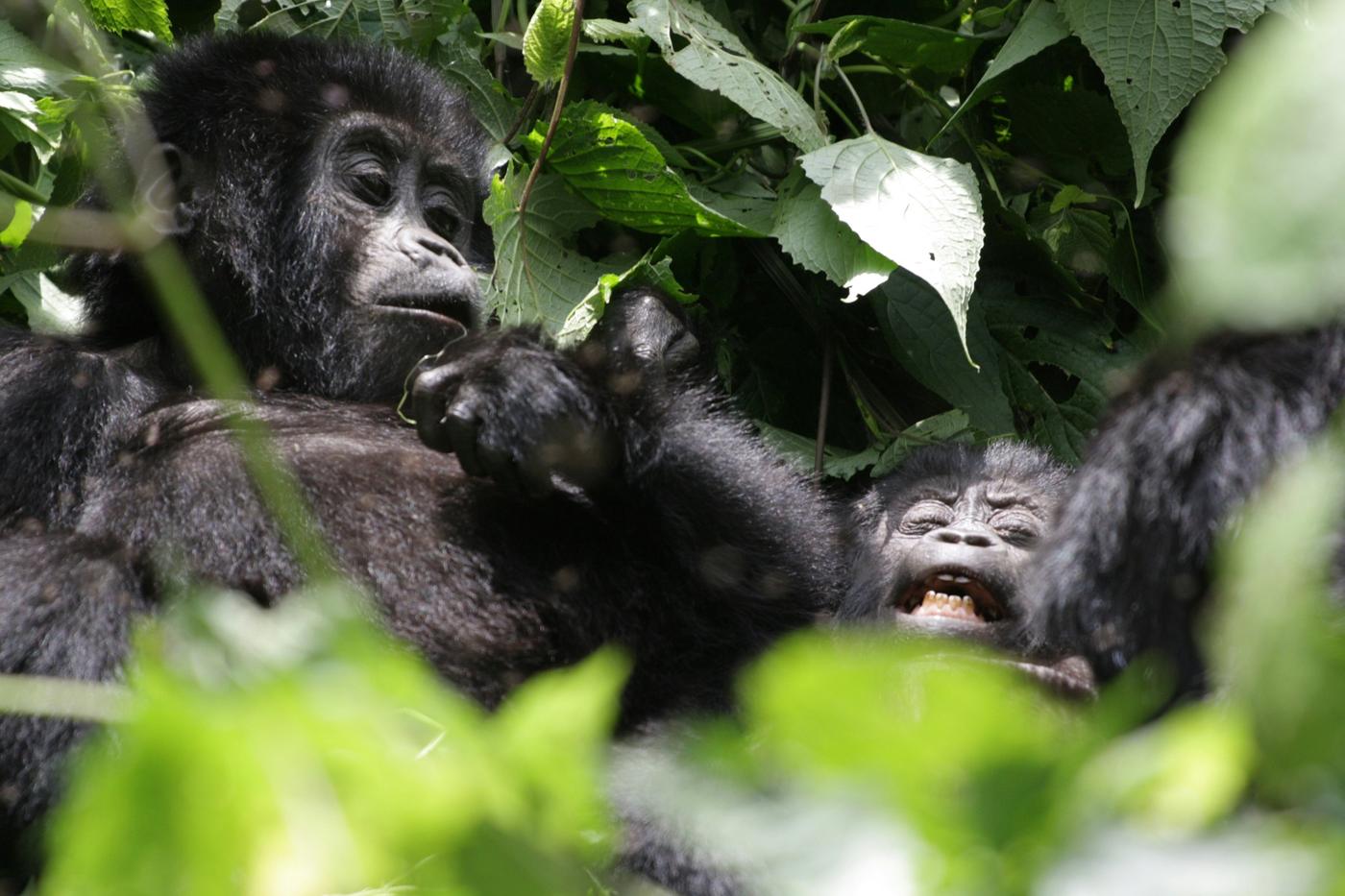
On day one, you fly from Entebbe by charter to Kihihi and drive into Bwindi Impenetrable Forest. In the evening, your guide gives a gorilla photography briefing. It covers camera settings for the forest's low, mottled light, as well as the no-flash rule and the seven-metre distance rule around the gorillas. The next morning, on day two, you take your gorilla trek. We ask for extended time with a family where it can be arranged, and we confirm what is possible for your dates in your quote. Day three is slower. For example, you can add an optional second permit or take a community walk with a Batwa elder, and then join a golden-hour session at the forest edge. For permit information, visit the Uganda Wildlife Authority website.
Mara River crossings and Mara Triangle predators
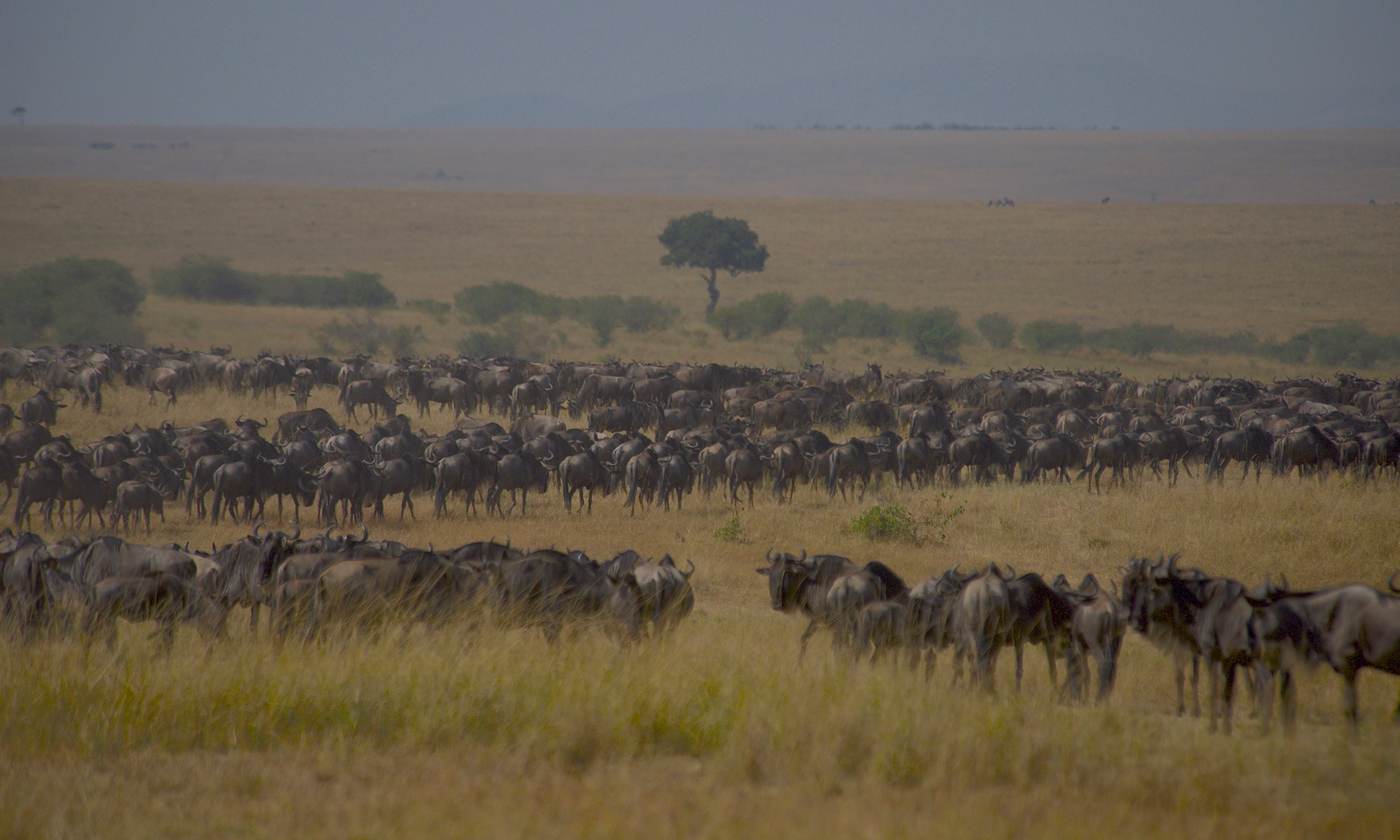
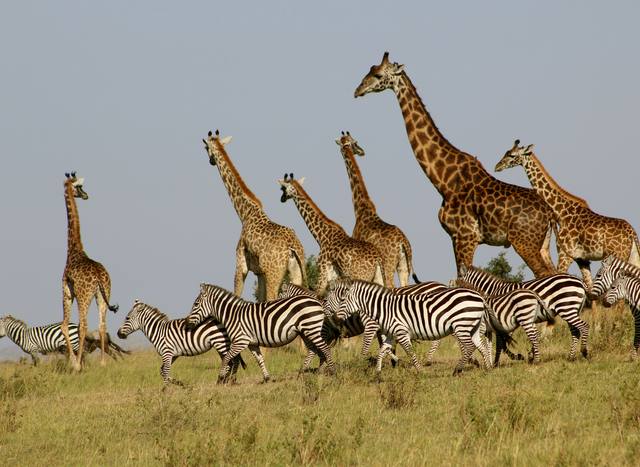
On day four, you fly via Entebbe and Nairobi to the Mara and settle in on the Oloololo Escarpment, with an introductory game drive in the Mara Triangle. Day five is planned around the Mara River crossings. Your guide uses a network of spotters to position the vehicle, but crossings depend on the herds and the season, and they are never guaranteed. Day seven is then a full day of predator tracking in the Mara Triangle. To learn how the herds move, read our guide to the Great Migration.
Off-road conservancy drives and a sunrise balloon option
Day six is for low-angle work. Instead of the main reserve, you take an off-road drive in a private conservancy next to it, where fewer vehicles mean you can stay with a sighting for longer. You can add a sunrise balloon flight with a bush breakfast for aerial pictures, and the evening ends with a sundowner on the escarpment. However, the balloon is an optional extra.
Ndutu big cat photography in the southern Serengeti
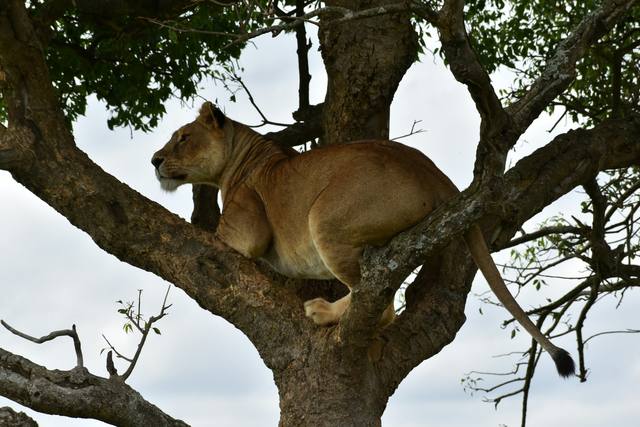
On day eight, you drive to the border for clearance and take a flight to an airstrip in the southern Serengeti near Ndutu. You then take a golden-hour game drive. Day nine is given over to big cat photography at Ndutu, with long, patient sits near lions, cheetahs and leopards when the plains allow. Sightings are never guaranteed, and the best times of year differ. For that reason, read our guide to the best time for a four-country safari, or tell us when you want to travel and we will advise you.
Ngorongoro Crater floor at first light
On day ten, you travel to the crater rim by way of Oldupai Gorge. On day eleven, you start early for a descent to the Ngorongoro Crater floor, timed so that you reach the floor in the first light and before the day's busiest traffic. The crater is a small, closed world of wildlife. In addition, the low sun on the rim makes strong pictures.
Mnemba Atoll snorkelling and five Zanzibar nights
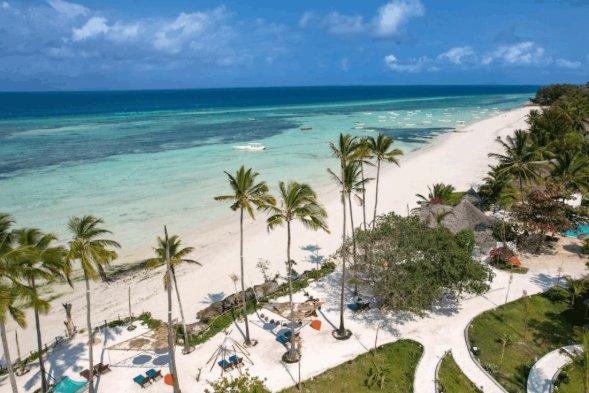
On day twelve, you fly via Kilimanjaro or Arusha to Zanzibar and continue by boat to your island stay near Mnemba. Day thirteen offers Mnemba Atoll snorkelling over the reef and a quiet evening on the beach, when the dhows are a dark outline against the sky. The long Zanzibar stay is there for a reason. After the busy legs of an East Africa photographic safari, it gives you time to edit, back up your files and rest.
Stone Town walk and a sunset dhow cruise
On day fourteen, you take a guided Stone Town walk through the old alleys, including the former slave market site, and visit a spice farm. Day fifteen is free, and you can add a dolphin trip, although sightings are never guaranteed. On day sixteen, you take a sunset dhow cruise and have a farewell dinner. On day seventeen, you transfer to Zanzibar airport for your flight home.
Where you stay on this 17 day photographic safari
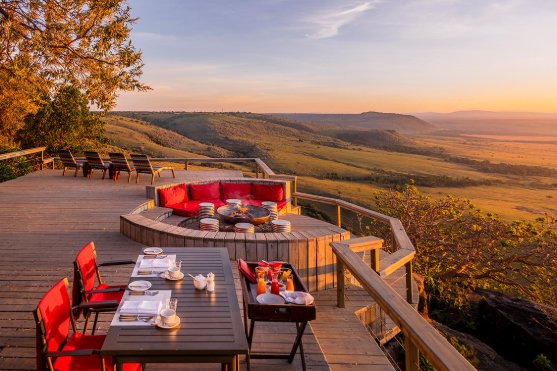
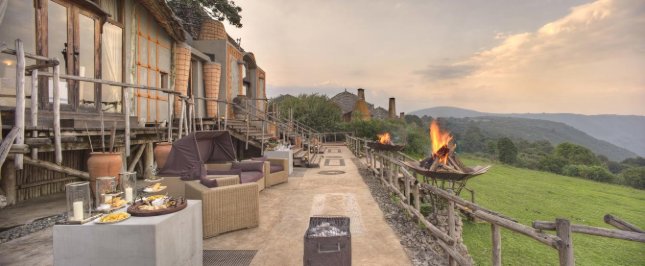
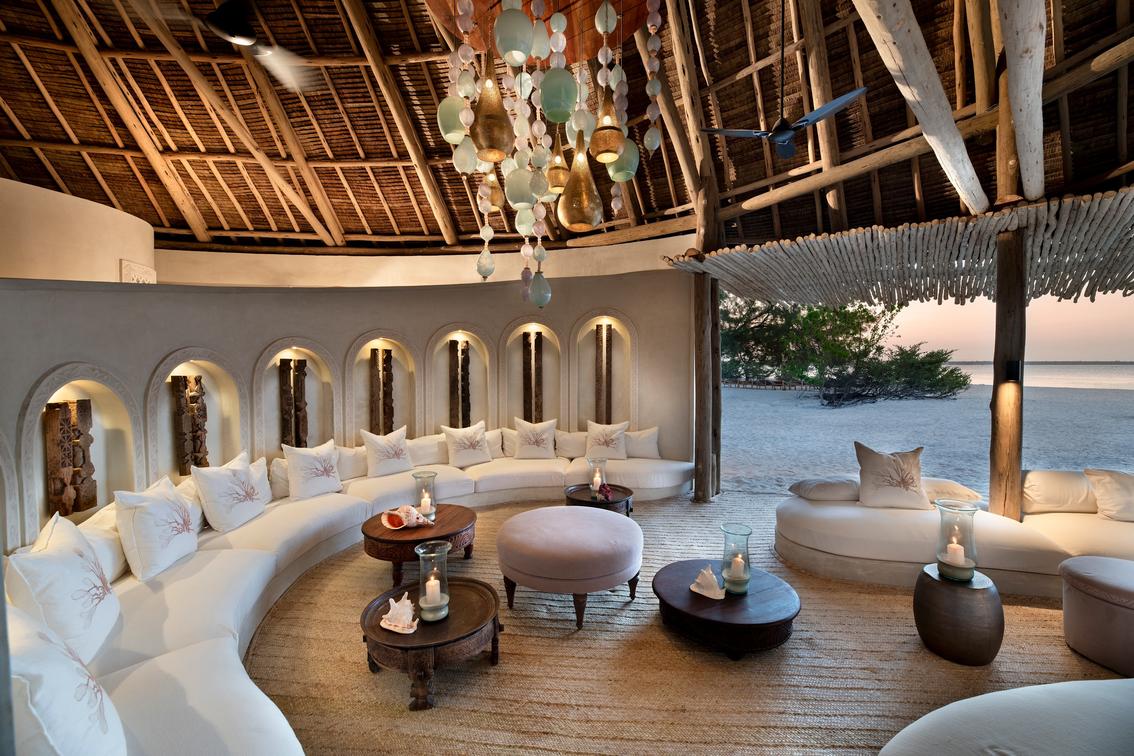
You stay at four properties: one near Bwindi, one on the Mara's escarpment, one in the Serengeti and Ngorongoro area, and one on the Zanzibar coast. We choose each one for its views and light, and we confirm the exact lodges for your dates in your quote. You can see more on our lodges page.
What is included in this 17 day photographic safari
Your 17 day photographic safari includes 16 nights of accommodation, one gorilla permit per person, and park, conservation and crater fees. It also covers internal flights and transfers, and a dedicated photographic 4x4 with beanbags, charging points and a roof hatch on the Kenya and Tanzania legs, with a specialist photographic guide on those legs. We confirm guiding in Uganda in your quote. Bottled water and soft drinks are provided on game drives, and the Batwa walk, Oldupai stop, Stone Town walk, spice farm, sunset dhow cruise and Mnemba snorkelling are included. You also have airport and jetty meet-and-greets and 24-hour in-country support. We confirm the full meal plan in your quote.
International flights, visa fees, gratuities, the balloon flight, extra gorilla permits and personal camera gear are not included. Travel insurance with camera cover is mandatory, and we need proof before you travel. Please check visa and travel documents before you go.
Is this 17 day photographic safari right for you?
This East Africa photographic safari is a good fit if you want long sits, early starts and a Zanzibar finish, and you are happy to take several flights. If you would like gorillas and a beach without the full route, see our gorillas, migration and Zanzibar safari, or for a gorilla-only trip, see our classic gorilla trekking safari. If you are new to safaris, our first-time safari planning guide will help.
Questions about this 17 day photographic safari
What camera gear should I bring? Generally, a telephoto lens of 100-400mm or 200-600mm covers most safari work. We send a full gear guide after you book.
Is this only for serious photographers? No. Instead, it suits any traveller who wants a slower, more considered safari.
Tell us your dates and who is travelling, and we will shape your 17 day photographic safari around you and confirm every detail in your quote.
Touching down at Entebbe International Airport, you're met by your Paramount Gorilla Expeditions representative for a short transfer to a private charter for the flight south-west over Lake Victoria's shoreline and the folded, terraced hills of Kigezi, landing on Kihihi's grass airstrip. The drive into Bwindi Impenetrable Forest — a 25,000-year-old mid-altitude rainforest holding roughly half the world's remaining mountain gorillas — climbs through banana plantations and eucalyptus stands into genuine cloud-forest air. At your forest-edge lodge, your specialist photographic guide runs through tomorrow's trek logistics and camera setup: fast primes or a mid-range zoom for the forest's low, mottled light, high ISO comfort, and the mandatory no-flash rule inside gorilla groups. Late afternoon is left open for a short walk to the forest boundary, where low sun through the canopy edge offers your first test frames of Bwindi's texture and light before dinner.
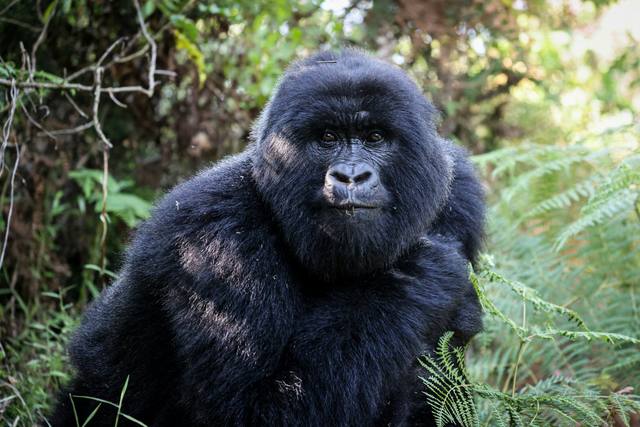
This is the trek the whole route is built around. Paramount Gorilla Expeditions books gorilla-focused groups onto Uganda Wildlife Authority's habituation experience where available, trading the standard one-hour visit for up to four hours with a semi-habituated family — invaluable when you're waiting for a clean sightline through vegetation or the right shaft of light for a portrait. After a briefing on the seven-meter distance rule and no-flash policy, you move into dense understorey behind trackers reading broken stems and fresh dung, the trek itself lasting anywhere from forty minutes to several hours. Once found, your guide positions the group low and quiet, working in short bursts to let the family settle before angling for clean backgrounds — a juvenile tumbling through vines, the silverback's low rumble as he feeds, mist still lifting off wet leaves. Fast glass and a steady hand matter more here than anywhere else on the trip.
Day 3
Second Gorilla Encounter & Golden-Hour Forest Edge
With yesterday's permit fulfilled, today is paced for photography rather than distance. Guests wanting a second gorilla encounter can add an optional permit to visit a different habituated family — often a productive choice, since each family's terrain and temperament shifts the kind of images available, from open forest clearings to denser, more atmospheric under-canopy scenes. Those staying closer to camp join a guided walk along the Buhoma community trail with a Batwa elder, tracing forest-use knowledge that predates the park's 1991 gazettement, a useful cultural counterpoint to the wildlife-heavy days either side. Late afternoon is reserved deliberately: your guide leads a short walk to a forest-edge clearing as the sun drops low and side-lit, raking light through hanging vines and tree fern fronds — a genuinely different register of image from the trek's flatter midday light, and the session this leg is built around.
Day 4
Fly to the Maasai Mara, Photographic Vehicle Briefing
A short flight and a same-day connection through Entebbe and Nairobi's Wilson Airport put you on a private airstrip beneath the Oloololo Escarpment by early afternoon, met by your dedicated Mara-based photographic guide. From here forward, your vehicle is capped at six guests with individual window bays, beanbags for every seat and a roof that lifts to a full standing, low-angle hatch — the difference between a snapshot and a genuinely composed frame becomes obvious within the first hour. Settling into your escarpment-top suite at Angama Mara, with views dropping nearly a thousand feet to the plains below, there's time before dinner for an introductory drive down onto the Mara Triangle floor, where resident lion prides and the low, warm light of late afternoon offer an easy first test of your settings before tomorrow's more demanding sessions.
Day 5
Great Migration River Crossing, Long-Lens Positioning
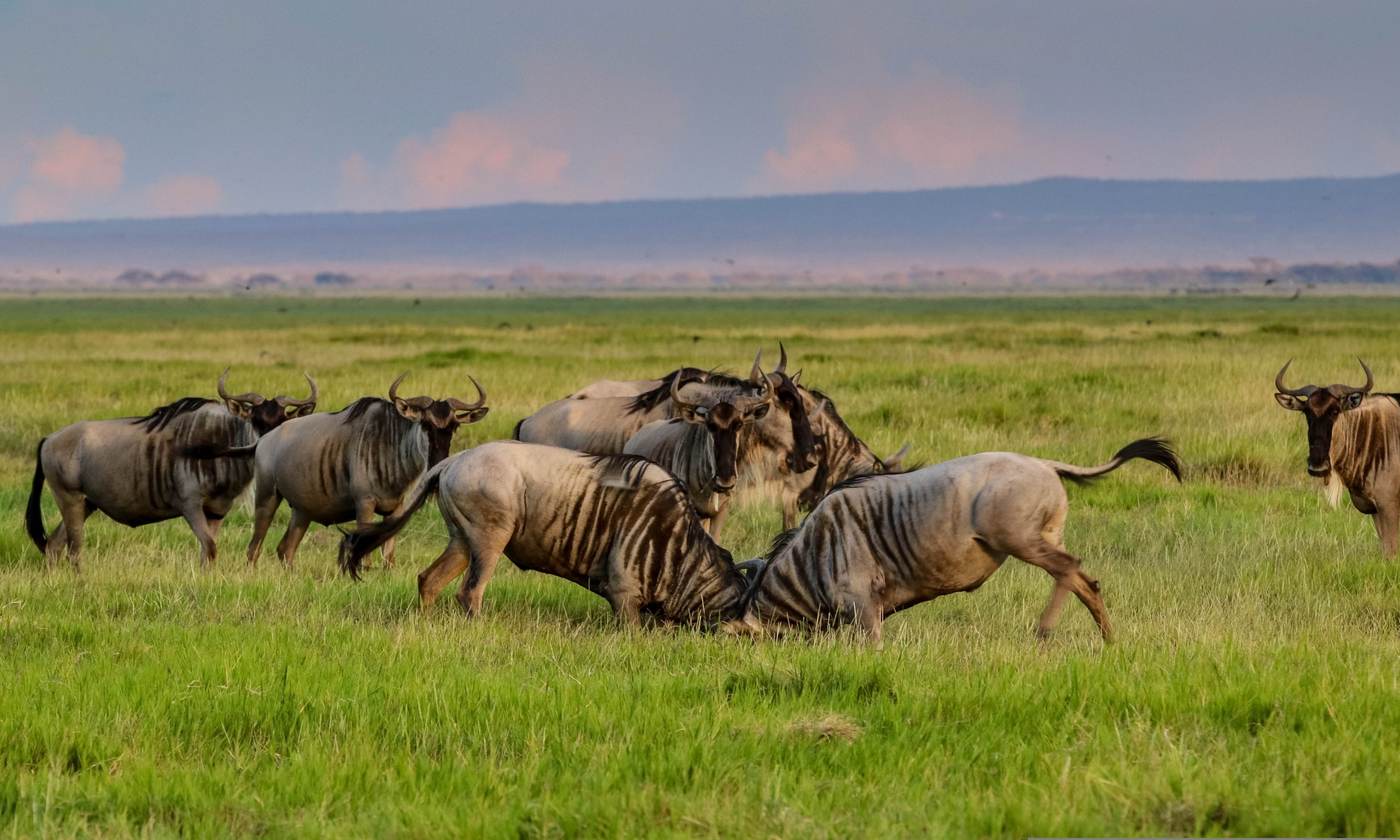
Today is dedicated entirely to the Mara River's crossing points, worked by a real-time network of spotter vehicles feeding your guide live information on herd position and nerve. Positioning is everything for photography here — your guide reads bank topography and wind direction to place the vehicle where a crossing is likely to break toward you rather than away, low enough on the bank for a genuine water-level perspective on the chaos once wildebeest commit. Waiting can run from minutes to hours, and your guide uses the lulls to talk through settings for the moment itself — fast shutter speeds for spray and motion, a wider aperture held in reserve for the tense, quiet stretches beforehand when a lone bull tests the water's edge. Between crossing attempts, resident hyena clans and elephant bulls moving along the tree line round out a full card of very different frames by dusk.
Day 6
Private Conservancy & Optional Balloon Safari
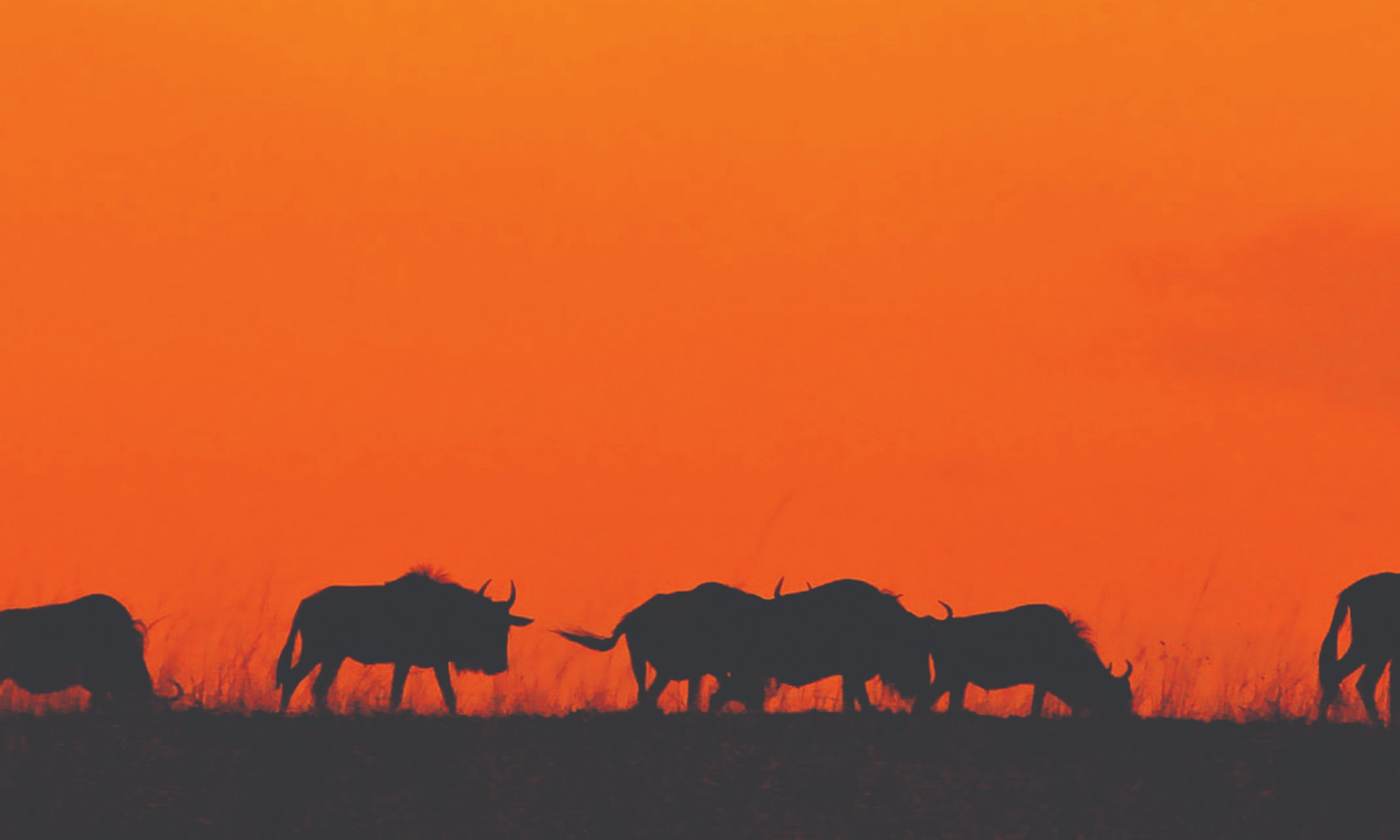
With the reserve's crossing points behind you, today trades crowds for control. An optional sunrise hot air balloon lifts silently over the escarpment and plains as first light breaks — a genuinely different photographic register, looking down on shadow-lengthened acacia and grazing herds from altitude, followed by a champagne bush breakfast set up in open grassland. For the rest of the day your guide works the off-reserve conservancy land bordering the Mara Triangle, where off-road driving is permitted and vehicle numbers are capped by conservancy agreement, opening close, uncrowded access to resident cheetah and leopard that would be impossible to arrange inside the reserve itself. The day closes with a dedicated sundowner session on the escarpment edge, timed deliberately for the Mara's burnt-orange dusk light — tripods welcome, and your guide will hold position as long as the color holds.
Day 7
Full-Day Predator Tracking, Mara Triangle
Your final day in Kenya is built around whichever predator sightings have been strongest through the week — your guide maintains a working knowledge of specific pride territories and denning sites across the Mara Triangle, adjusting today's route to revisit anything worth a second, more considered pass. Cheetah are a genuine highlight on this open ground, their hunting style suited to the terrain's long sightlines; watching a female stalk a Thomson's gazelle from several hundred meters, beanbag steady on the low hatch, tests both patience and shutter timing in equal measure. Late morning's harsher overhead light is used deliberately for black-and-white or texture-focused frames — cracked earth, vulture wingspans, the geometry of a termite mound — before the softer late afternoon returns for a final round of portrait light on whatever cats you've come to know best.
Day 8
Cross into Tanzania, Southern Serengeti Plains
There's no direct flight between the Mara and the Serengeti — bush airstrips on both sides have no immigration post, so the crossing starts with a transfer in your safari vehicle to the border for passport and customs clearance, before continuing on to an airstrip serving the southern plains near Ndutu by the most efficient combination of vehicle and connecting flight available on your dates, within reach of both open short-grass country and the Ngorongoro highlands beyond. This region holds water and cover for resident predators regardless of season, and the light here is different again from Kenya's rolling grassland: flatter, wider horizons, kopjes breaking the plain at intervals as natural vantage points for resting lions. Your specialist guide, working exclusively with small photographic groups, spends the drive in from the strip reading which prides and cheetah coalitions have been active in recent days. Settling in ahead of dinner, there's a short golden-hour session near camp — low sun across dry grass heads, a useful reset after Kenya before tomorrow's dedicated hide day.
Day 9
Extended Big-Cat Hide Session, Ndutu Plains
A full day given over to patient, extended positioning rather than distance covered — your guide treats the vehicle itself as a mobile hide, cutting the engine and holding still for long stretches near known denning sites and kill remains rather than moving on at the first quiet spell. The Ndutu and southern Serengeti plains support some of the region's most consistently visible cheetah, their preference for open sightlines making this genuinely productive ground for behavior sequences — a stalk, a chase, the tense stand-off with kleptoparasitic hyenas that often follows a kill. Lion prides here are similarly used to vehicles at close, respectful range, allowing low-angle beanbag work at near eye-level rather than shooting down from above. Midday's harsh light becomes a deliberate break for lens cleaning, card backups and a relaxed bush lunch before the session resumes as shadows lengthen toward evening.
Day 10
Transfer to Ngorongoro via Oldupai Gorge
The drive out of the southern plains and up onto the Ngorongoro highlands includes a stop at Oldupai Gorge, the 'Cradle of Mankind,' where the Leakeys' mid-twentieth-century excavations uncovered hominin fossils that reshaped the understood timeline of human origins. A short museum visit and guide-led briefing gives the landscape ahead genuine context before the road climbs into cooler, cloud-forested air on the approach to your crater-rim lodge. The crater itself is visible from your room by late afternoon — a vast, hazy bowl over 600 meters below, holding one of the densest concentrations of resident wildlife on the continent within an unbroken caldera wall. Your guide uses the evening to walk through tomorrow's plan in detail: a pre-dawn gate departure timed to put you on the crater floor in the day's first workable light, well ahead of the bulk of the day's vehicle traffic.
Day 11
Private Pre-Dawn Ngorongoro Crater Descent
An early departure down the crater's steep access road puts you on the floor at first light, while the morning mist is still lifting off the soda lake and the resident wildlife is at its most active. Unlike the migratory ecosystems further north, the crater's population is largely non-migratory and permanently resident, sustained year-round by water and grazing within the caldera — meaning near-guaranteed sightings of all Big Five species in a single session, including some of Tanzania's last black rhino, photographed here at genuinely close range thanks to your early gate timing. Flamingos work the shoreline shallows in season, their reflections doubling in the still morning water, while Maasai herders moving cattle along the crater's edge under traditional grazing rights add a human, working-landscape layer to the frame. Your guide holds position through the soft late-morning light before the floor's vehicle numbers build, timing the climb back out to beat the midday heat.
Day 12
Fly to Zanzibar
A short flight from the Ngorongoro highlands via Kilimanjaro or Arusha connects onward to Zanzibar's Abeid Amani Karume International Airport, followed by a road and short boat transfer out to Mnemba Atoll — a private coral island off the north-east coast, ringed by one of East Africa's healthiest reef systems. The shift in register is immediate: humid, salt-scented air replacing highland chill, and the sound of the Indian Ocean replacing distant lion calls. The remainder of the day is intentionally unscheduled, and deliberately so — this is the first of five nights built as much for reviewing two weeks of images as for resting. Many guests spend the late afternoon doing exactly that: laptop open on a beachfront deck, a first pass through thousands of frames from Bwindi, the Mara and the crater, before the island's own sunset light offers a first Zanzibar frame of its own.
Day 13
Reef Light & Dhow Silhouettes
Mnemba's house reef is a short swim or paddle from shore, its coral gardens holding parrotfish, moray eels and, with good timing, resident green turtles — strong subjects for guests bringing housing or a simple action camera, and the water's clarity here is genuinely exceptional by regional standards. Morning is left for a guided snorkel excursion out over the reef's drop-off, where light shafts through clear water make for a very different kind of frame from two weeks of terrestrial safari work. As the afternoon cools, local fishermen's dhows begin moving past the island on the trade wind, their triangular lateen sails catching low sun — a classic Zanzibar silhouette, and your guide will help position you on the beach at the right angle and hour to catch it cleanly rather than by accident. Dinner is served open-air, the tide audible just beyond the table.
Day 14
Stone Town Heritage & Spice Farm Light
A boat and road transfer carries you to Stone Town, Zanzibar's UNESCO World Heritage-listed old quarter, for a guided walk through over a thousand years of Swahili, Omani, Persian and Indian trading history laid out in coral-stone architecture, elaborately carved wooden doors and narrow, shaded lanes that make for genuinely rich street photography — market stalls, doorway portraits by permission, and light falling in hard diagonal shafts between close-set buildings. The tour includes the former slave market site and its memorial, a necessary and sobering counterpoint to the town's postcard beauty, documenting Zanzibar's central role in the 19th-century East African slave trade. The afternoon shifts entirely to a working spice farm inland, where clove, nutmeg, cinnamon and vanilla are explained hands-on by farm guides — strong macro subject matter, and a reminder that clove exports once made this small island one of East Africa's wealthiest territories.
Day 15
Free Day: Catalogue Review & Beach
A fully open day to set your own pace. Most guests use the morning for exactly what this stretch of the trip was built for — working through a genuine backlog of images from three countries and two weeks of shooting, ideally with the lodge's fast Wi-Fi and a proper external drive for backups before you fly home. For those wanting one more excursion, an optional dolphin-watching trip off Kizimkazi on the southwest coast offers a reasonable chance of encountering pods of bottlenose and humpback dolphins in open water, though we brief every guest honestly that sightings are never guaranteed and the boat keeps a respectful, non-chasing distance by policy. Otherwise, the beach and the reef's turquoise gradient at low tide are more than enough — a deliberately slow day before tomorrow's final scheduled outing.
Day 16
Sunset Dhow Cruise
Your final full day begins at whatever pace you choose before the evening's signature session: a traditional wooden dhow, sailed rather than motored wherever wind allows, carrying you out along the coastline as the sun drops into the Indian Ocean. Your guide has timed the cruise specifically around the evening's light rather than a fixed departure slot, adjusting for cloud and haze reports through the afternoon to maximize the chance of a clean, saturated sunset over open water — the trip's last genuinely dedicated shoot. Onboard, a light selection of drinks and snacks accompanies views back toward the coastline's palm silhouettes and, with luck, a second dhow crossing your frame at the right distance. A final dinner at the lodge that evening is the natural moment to look back through the week's edit with your travel companions and start narrowing toward a final portfolio.
Day 17
Departure
A relaxed final morning — a last swim, a final look at the reef, or simply breakfast on the terrace — precedes your private transfer via boat and road to Zanzibar's airport for your onward or homeward flight. Our local team remains available throughout this last transfer and beyond, and we're always glad to see the final edit once you're home; this itinerary is deliberately built to reward a proper photographic library, and a meaningful share of our bookings each year come from returning photographers already planning their next East Africa journey.
Get your personalized packing list
Built from our own staff's real packing guidance for this trip's destinations, tailored to your dates and this exact itinerary above.
Why this safari
Trip highlights
✓
Specialist photographic guide with beanbags & charging stations throughout
✓
Small-group cap of 4 guests per vehicle for unobstructed angles
✓
Early-entry Ngorongoro Crater session ahead of general traffic
✓
Golden-hour Zanzibar dhow and Stone Town photography session included
On the Oloololo Escarpment rim, on private land immediately outside the Mara Triangle sector of Maasai Mara National Reserve, with a direct descent road into the reserve.
Experiences built into this East Africa photographic safari
✓Extended-time gorilla trekking permit with a small habituation-style group in Bwindi✓Dedicated six-seat photographic 4x4 with individual beanbags and full standing roof hatch throughout Kenya and Tanzania✓Real-time spotter-network positioning at Mara River crossing points✓Off-road, low-angle private conservancy sessions bordering the Mara Triangle✓Optional sunrise hot air balloon safari for aerial photography✓Extended big-cat hide sessions across the Ndutu and southern Serengeti plains✓Private pre-dawn Ngorongoro Crater floor descent ahead of public vehicle traffic✓Oldupai Gorge 'Cradle of Mankind' guided stop✓Reef snorkeling excursion over Mnemba Atoll's house reef✓Stone Town heritage walk, spice farm tour and golden-hour sunset dhow cruise
Investment
Rates by accommodation tier
Accommodation Tier
Per Person Sharing (USD)
Single Supplement
Classic Comfort
$14,650
+$2,650
Premium
$18,900
+$3,200
Ultra-Luxury
$24,500
+$3,950
Rates are per person sharing, in USD, based on double occupancy in a dedicated small-group photographic vehicle during standard season (mid-May to mid-December); contact us for exact seasonal pricing, single-traveler rates and confirmed small-group departure dates.
The fine print, made clear
What's included & what's not
What's Included
✓All accommodation as per itinerary — 16 nights across four countries
✓One extended-time gorilla trekking permit per person, fully arranged in advance
✓All park entry fees, conservation levies and crater descent fees
✓All internal flights and transfers between Bwindi, the Maasai Mara, Serengeti, Ngorongoro and Zanzibar
✓Dedicated small-group photographic 4x4 (maximum six guests) with beanbags, charging points and low-angle roof hatch on the Kenya and Tanzania legs
✓Specialist photographic guide throughout the Kenya and Tanzania safari legs
✓All meals as specified — full board on safari, daily breakfast in Zanzibar
✓Bottled water and soft drinks during all game drives
✓Batwa cultural walk, Oldupai Gorge stop, Stone Town and spice farm guided tours
✓Sunset dhow cruise and Mnemba Atoll reef snorkeling excursion
✓Airport and jetty meet-and-greet transfers throughout
✓24/7 in-country support from our local specialist team
What's Not Included
✕International flights to Entebbe and from Zanzibar
✕Uganda, Kenya, Tanzania and Zanzibar visa fees
✕Comprehensive travel insurance, including camera equipment cover (mandatory; proof required before departure)
✕Optional hot air balloon safari and any additional gorilla trekking permits
✕Alcoholic beverages outside of included house pours
✕Personal camera gear, laptops, storage drives and related equipment
Tick the destinations you're drawn to — each one opens its own list of signature experiences. Tick as many as you like, tell us how to reach you, and a real destination specialist turns your selections into a tailored itinerary within 24 hours.

 Ultra-Luxury