
East Africa safari experiences are rarely about ticking off animals. They are about specific moments: a silverback ten metres away, a river crossing you waited three days to see, the first quiet evening on a beach after a week on the move. This guide covers nine of them, what each feels like, where and when it happens, and who it suits best.
Quick answer
The nine encounters below span Uganda, Rwanda, Kenya, Tanzania, Zanzibar and the Seychelles. You do not need all of them. Most travelers choose three or four and build a private itinerary around them. Gorilla permits in Uganda cost $800 per trek in high season and $600 in low season. A 3-day Tanzania safari starts from about $1,045 per person, and Great Migration camps run from about $450 to $1,800+ per person per night. All prices are per person and vary by itinerary, season, party size and lodge tier. Nothing in the wild is guaranteed, so a good plan leaves room for patience.
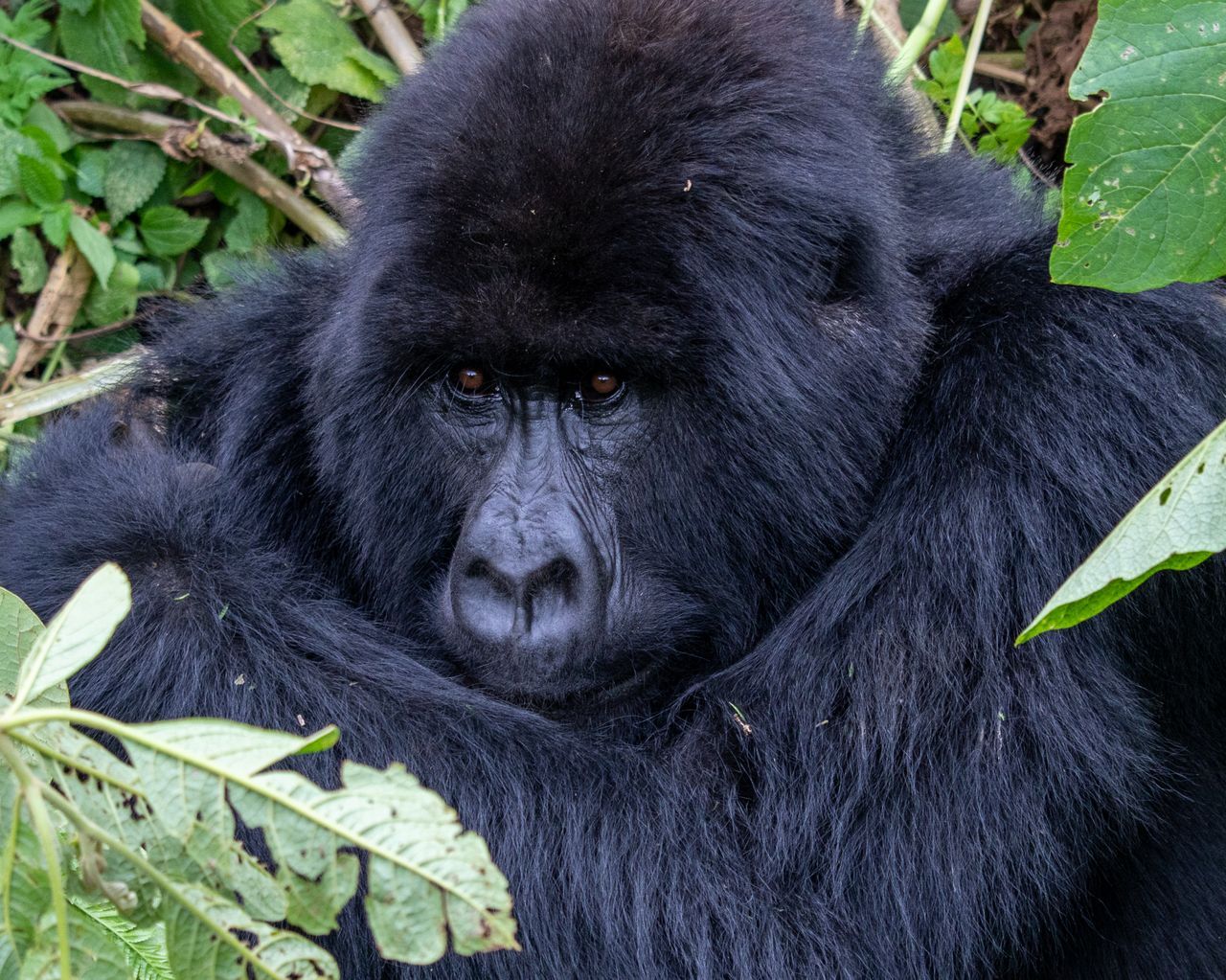
1. Mountain gorillas in Bwindi or Volcanoes
What it feels like: The trek comes first. You climb through wet, dense forest, often on steep ground, following trackers who have a rough idea where the family spent the night. Then the vegetation parts and a gorilla is simply there, chewing a stem, entirely unbothered by you. The hour you are allowed with them passes strangely fast. Many people find it quieter and more emotional than they expected.
Where and when: Bwindi Impenetrable National Park in Uganda, or Volcanoes National Park in Rwanda. Drier months generally make the trails easier, but treks run year-round. In Uganda, permits cost $800 per trek in high season and $600 in low season. They are limited and must be secured ahead, and no trek can promise a sighting, so we plan with that honesty built in.
Who it suits: Couples, honeymooners and families with older teenagers who can handle a demanding walk. Fitness matters more than age.
2. Chimpanzee tracking in Uganda
What it feels like: Chimpanzees are loud, fast and endlessly expressive. Where gorillas offer slow stillness, chimps give you pant-hoots echoing through the canopy, a sudden chase through the branches, and faces that look unsettlingly like people you know. It is noisier and more physical, and the forest walking is usually easier than a gorilla trek.
Where and when: Uganda's forest parks are the main setting. Many travelers pair chimpanzee tracking with a gorilla trek so the two primates can be compared in one trip. Your itinerary specialist will advise on which forest fits your route.
Who it suits: Travelers who want a primate encounter with less climbing, and anyone who found the idea of a single gorilla day too thin for the distance traveled.
3. Golden monkeys in the Virunga bamboo
What it feels like: Light, quick and a little comic. Golden monkeys move through the bamboo in restless groups, leaping, feeding and squabbling at eye level. Of all the primate experiences, it is the easiest to enjoy, with lower stakes and plenty of photographs.
Where and when: The Virunga bamboo forests, reached from the Rwanda side or the Uganda side of the range. It slots naturally into a gorilla itinerary as a lighter day on either side of a big trek.
Who it suits: Families with younger children, first-timers who want a gentler introduction, and anyone adding a second primate day without a second hard hike.
4. Great Migration river crossings in the Masai Mara
What it feels like: Tension, mostly. Thousands of wildebeest gather on a riverbank for hours, pushing forward and falling back, until one animal commits and the rest follow in a roaring rush. Crocodiles wait below. It is raw and not always gentle. You may see a dramatic crossing or hours of standing herds, and that uncertainty is part of the experience.
Where and when: The Mara River in Kenya's Masai Mara. Timing shifts from year to year with rainfall and herd movement, so any date range is an estimate, not a promise. For a month-by-month view, read our guide to the best time to see the Great Migration, and treat crossings as something to plan around, never something to count on.
Who it suits: Patient travelers who can handle early starts and long waits at the water's edge, and who understand that wildlife keeps its own schedule.
5. Calving season on the Serengeti plains
What it feels like: Softer than the river crossings, and often more moving. Across the open plains of Tanzania, huge herds spread out and give birth, and newborns are standing within minutes. Predators follow closely, so the scene carries tenderness and tension in equal measure. The horizon feels enormous.
Where and when: The Serengeti in Tanzania, generally in the early part of the year on the southern plains. As with every migration moment, movement depends on the rains. Great Migration camps run from about $450 to $1,800+ per person per night, depending on location and tier.
Who it suits: Photographers, couples who want space and big skies, and travelers who prefer a calmer, less crowded version of the migration story.
6. Big cats at dawn on a game drive
What it feels like: The best game drives often start in the dark. You leave camp cold, wrapped in a blanket, with a flask of tea, and watch the light turn from grey to gold across the grass. A lion pride resting on a termite mound, a leopard crossing a track, a cheetah scanning from a low rise. It is quiet and unhurried, the kind of moment you never plan to remember but do.
Where and when: Kenya's Masai Mara and Tanzania's Serengeti are the classic settings, though many savannah parks in the region offer strong cat viewing. Dawn and late afternoon are best. A skilled guide matters more than any detail of the vehicle.
Who it suits: Everyone. If you choose only one moment that is not a primate encounter, this is the reliable one.
7. Ngorongoro Crater
What it feels like: Descending into the crater is like entering a self-contained world. The walls rise all around you, and the floor holds grassland, a soda lake and an unusually dense mix of wildlife in a small area. It rewards a full day more than a quick look, and the scale tends to surprise people who have only seen photographs.
Where and when: Northern Tanzania, usually linked with the Serengeti on a longer route. A short Tanzania safari, such as a 3-day trip from about $1,045 per person, can include a crater visit depending on how the days are arranged.
Who it suits: First-time safari travelers on a tighter schedule who want plenty of wildlife without long transfers.
8. A Nile adventure in Uganda
What it feels like: A change of pace, and a welcome one. After days of walking and watching, the Nile gives you movement: rapids, a boat on open water, or simply a slow river afternoon. It breaks up a wildlife-heavy itinerary and suits travelers who want something active but not strenuous.
Where and when: Uganda, along the Nile. Activities vary in intensity, so choose the version that matches your group, from a gentle boat ride to something more adventurous.
Who it suits: Active couples, families with teenagers, and groups with mixed interests who want variety between wildlife days.
9. A quiet beach finish in Zanzibar or the Seychelles
What it feels like: Stillness. After early alarms and dust, the first morning with nowhere to be is unexpectedly profound. Warm water, a long breakfast, no engine noise. Many travelers find this is the part that lets the rest of the trip settle into memory.
Where and when: Zanzibar is easy to reach from Tanzania and fits a safari route directly. The Seychelles feels more remote and polished, and works especially well for honeymooners. For more detail, see our guide to the islands of East Africa and our guide to a Seychelles safari honeymoon.
Who it suits: Honeymooners, couples marking an anniversary, and any traveler who knows a big itinerary needs a soft landing at the end.
How to build these moments into one private itinerary
Several of these encounters sit in different countries, so the gap between wanting them and doing them is mostly logistics. Permits have limited availability, lodges fill, and flights, road transfers and border crossings all have to line up. Planning it yourself means managing several suppliers across several time zones.
At Paramount Gorilla Expeditions, a single local team based in Uganda designs private, tailor-made trips across Uganda, Rwanda, Kenya, Tanzania, Zanzibar and the Seychelles. You tell us your interests and budget, and we build the route, handle gorilla permits, lodges and logistics, and guide you on the ground. Prices depend on the itinerary, season, party size and lodge tier, and your written quotation states them per person.
If you are weighing a single-country trip against a combined route, our guide to a multi-country East Africa safari shows how the pieces fit together.
How to prepare
Fitness for treks. Gorilla and chimpanzee treks can involve steep, slippery terrain at altitude, sometimes for several hours. You do not need to be an athlete, but you should be comfortable walking uphill for long stretches. Practise with hikes in sturdy boots before you travel, and ask us about porter support if you want it.
Malaria and yellow fever. Speak to a travel health clinic well before departure. Malaria prevention is generally advised for East Africa, and yellow fever vaccination requirements can vary by route and entry point, so confirm current rules for your exact itinerary with a medical professional.
Best months. The right month depends on which encounters matter most to you. Primate trekking is generally easier in drier months, while migration movement follows the rains and the herds. Our guide to the best time for a safari in Africa breaks this down month by month.
Book early. Gorilla permits and popular migration camps are limited, so the earlier you decide, the more choice you have.
Design your own version
You do not need to decide everything today. Start with the one moment you cannot stop thinking about, and we will build the route around it.
Design My Safari or WhatsApp or call +256 744 269 228. Learn more at paramountgorilla.com.