
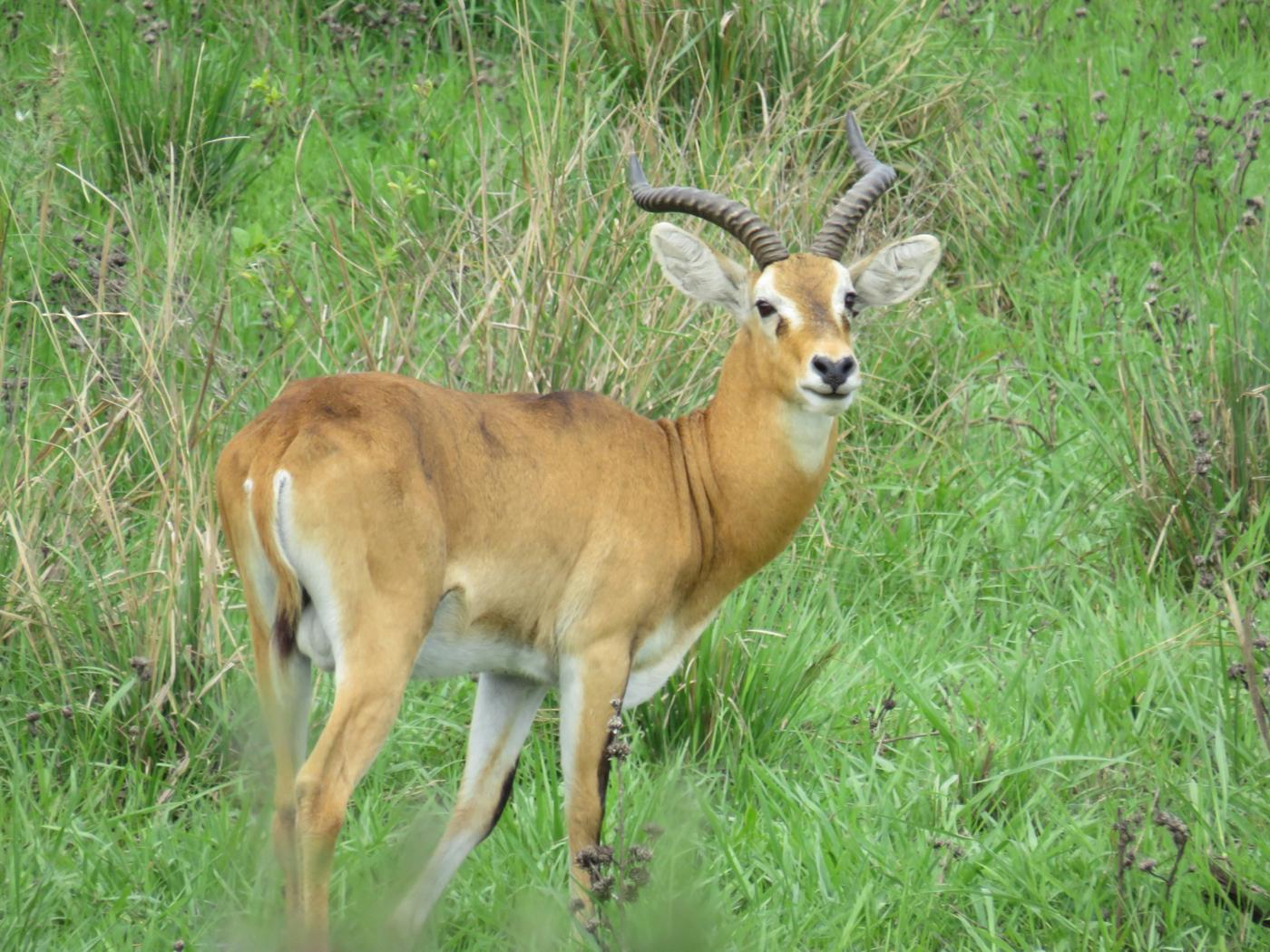
A 3 days Tanzania safari is the shortest trip that still shows you real wildlife, and it works if you pick one compact loop and avoid trying to see everything. Three days suits travellers on a stopover, a business trip with a free weekend or a tight holiday, and it gives you two or three game drives in one or two parks near Arusha. You will find the three routes that work, a day-by-day plan for each, what a fourth and fifth day add, what a short safari costs as market ranges, the best months, what to pack and how to avoid wasting a short trip. People search for it as 3 days Tanzania safari, 3 day safari Tanzania, 3 days safari in Tanzania, short safari Tanzania, 3 day Tanzania safari package, weekend safari Tanzania, Tanzania safari 3 days and 2 nights and quick safari from Arusha.
Quick answer
The best 3 days Tanzania safari is two nights on a loop that links Tarangire National Park, Lake Manyara or the Ngorongoro Crater, driven from Arusha, with one full day at either Tarangire or the crater. If you want the Serengeti in three days, fly in from Arusha, stay two nights and fly out, because the road from Arusha takes 6 to 8 hours each way.
The number of game drives is a plan, not a promise: expect three to five drives over the trip, depending on your route and flight times. Market prices run from about USD 1,045 per person sharing for a budget 3-day trip to USD 1,888 to 3,020 per person for a luxury fly-in. Your written quotation shows the exact price.
3 days Tanzania safari at a glance
| Item | What to know |
|---|---|
| Nights | 2 nights, 3 days |
| Best road route | Tarangire, Lake Manyara and Ngorongoro, or Tarangire and Ngorongoro |
| Fly-in route | Arusha to the Serengeti, 2 nights, fly out |
| Longest road leg | Ngorongoro back to Arusha, 3 to 4 hours |
| Serengeti by road | 6 to 8 hours each way from Arusha, so not for 3 days |
| Crater descent window | Roughly 06:00 to 16:00; vehicles out by 18:00 |
| Typical game drives | 3 to 5 over the trip, as a plan |
| Budget price, 3 days | About USD 1,045 per person sharing, as a market price |
| Mid-range price, 4 days | About USD 1,314 to 1,770 per person, as a market range |
| Luxury fly-in, 3 days | About USD 1,888 to 3,020 per person, as a market range |
| Insurance | Mandatory inbound policy since 1 October 2026 |
Chapter 01: What can you realistically see in 3 days?
A 3-day safari shows one or two parks properly, and the trick is to choose the right ones. In three days you can reach Tarangire, Lake Manyara and the Ngorongoro Crater by road, because they sit within a few hours of Arusha. You cannot reach the Serengeti by road and still have time to enjoy it.
Expect elephants, zebra, wildebeest, giraffe, buffalo and many birds in Tarangire, tree-climbing lions, flamingos and hippos at Lake Manyara and dense wildlife on the crater floor, where lions, hyenas and a few rhinos live. No safari guarantees a sighting of any animal, and a short trip has less room to catch up if a sighting fails, so pick your parks for the animals you want most.
If you can stretch to six days, see our Kenya and Tanzania short break safari. For longer plans, our Tanzania safari itinerary length guide explains how 6 to 7 days and beyond compare.
Chapter 02: Which 3-day route is best?
Three routes cover most travellers.
Route A links Tarangire, Lake Manyara and Ngorongoro. It gives the most variety, and it suits first-time visitors who want to see several landscapes. The days are busy and the drives are real, so it works best with an early start.
Route B links Tarangire and Ngorongoro only. It drops Lake Manyara, which gives you a longer game drive at Tarangire and an unhurried morning in the crater. It suits travellers who want elephants and the crater and little else.
Route C is the fly-in Serengeti safari. You fly from Arusha to a Serengeti airstrip, stay two nights, take game drives and fly out. It suits travellers who want the Serengeti and can afford the flights. To weigh flying against driving, read our fly-in or road safari guide.
Chapter 03: What does Route A look like day by day?
This is a plan, and your guide adjusts it for the weather and the animals.
Day 1: Leave Arusha early and drive to Tarangire, about 121 km and two hours away. Spend the day on a game drive, with a picnic lunch, and sleep at a lodge or camp near the park.
Day 2: Drive to Lake Manyara for a morning game drive. Continue to the Ngorongoro rim in the afternoon and sleep at a lodge on the rim or in Karatu.
Day 3: Descend into the crater at first light, which is roughly 06:00 at the earliest, and spend the morning on the crater floor. Climb out by midday, and drive back to Arusha, a journey of 3 to 4 hours. Our Ngorongoro Crater guide explains the timings and the rules.
Chapter 04: What does Route B look like day by day?
Day 1: Drive from Arusha to Tarangire, about two hours, and take a full-day game drive with lunch in the park. Sleep at a camp near the park.
Day 2: Take a short morning game drive in Tarangire, then drive to the Ngorongoro rim, and sleep at a lodge with a crater view.
Day 3: Descend into the crater at first light, and spend the morning on the floor. Climb out by midday and drive back to Arusha in 3 to 4 hours.
This route has two fewer driving hours than Route A and one more game drive in Tarangire. Our Tarangire guide explains why the park suits a long drive.
Chapter 05: What does the fly-in Serengeti route look like?
Day 1: Take a morning flight from Arusha to a Serengeti airstrip, transfer to your camp and take an afternoon game drive. Sleep in the Serengeti.
Day 2: Take a full day of game drives, with a morning and an evening drive, and sleep in the same camp.
Day 3: Take an early game drive, and fly out from the airstrip. Coastal Aviation's timetable is valid to 31 May 2027, and the baggage limit is 15 kg in a soft bag, so pack light. Our Arusha to Serengeti guide explains the flights, and our luggage weight limits guide explains the soft-bag rule.
Flight times change with the season, so your itinerary shows the confirmed times. Our Serengeti guide explains which region suits your month.
Chapter 06: What do 4 and 5 days add?
A fourth day lets you slow down. On the road route it gives a full day at Lake Manyara or a second night in the Ngorongoro area, which means you can descend into the crater without a long drive afterwards. On the fly-in route it gives a third night in the Serengeti and a second region.
A fifth day makes the Serengeti possible with one flight and a sensible pace. A common 5-day plan is Tarangire, the Ngorongoro rim, a fly-in to the Serengeti for two nights and a flight back. Our Tanzania safari packages guide lists the options.
Chapter 07: What does a 3-day safari cost?
These are market ranges from safari listing sites, not our prices, and your written quotation shows the exact price.
A budget 3-day road safari costs about USD 1,045 per person sharing. A mid-range 4-day safari costs roughly USD 1,314 to 1,770 per person. A luxury 3-day fly-in safari costs roughly USD 1,888 to 3,020 per person. The price rises with the lodge, the flights and the number of people sharing a vehicle.
The Ngorongoro Conservation Area Authority lists a USD 295 crater service fee per vehicle and an entry fee of USD 70.80 for an adult, which is a large share of a short trip's cost when the vehicle is nearly empty. Our Tanzania safari cost guide explains every line.
Chapter 08: When is the best month for a short safari?
Because a short trip has little room to wait for a sighting, choose a month when animals are easy to see. June to October is the easiest window, because animals gather near water. January and February give green landscapes and many young animals.
From mid-March to May the long rains close some camps and slow the roads. A short trip in the rains is harder to plan, so ask what you will lose before you book. Month-by-month detail sits in our best time to visit Tanzania guide.
Chapter 09: How do you reach Arusha for a 3-day safari?
Most short safaris start from Arusha. Kilimanjaro International Airport lies 46 to 55 km from the city, about 50 to 90 minutes by road, so arrive the evening before you start. Our Kilimanjaro Airport arrival guide explains the transfer, and our Tanzania visa guide explains how to get your visa in time.
A flight that lands in the afternoon cannot start a safari that day. Plan to arrive the day before and lose no safari time.
Chapter 10: What rules apply on a short safari?
Park gates open from 06:00 to 18:00, and you cannot drive in the parks at night. Speed limits are 50 km/h in the national parks. Visitors to the mainland have needed the government's inbound policy since 1 October 2026, so buy it before you arrive; the rules are in our Tanzania travel insurance guide.
Chapter 11: What should you pack?
Pack neutral clothes, a warm layer for early mornings on the crater rim, a hat, sunscreen, binoculars and a camera with spare batteries. Use a soft bag if you fly. The full kit list is in our East Africa safari packing list.
Chapter 12: What mistakes should you avoid?
Trying to fit the Serengeti in by road, arriving on the day the safari starts, descending into the crater late in the day, packing a hard suitcase for a light-aircraft flight, choosing a route with too many parks and booking a lodge far from the park gate.
Chapter 13: What is the verdict?
For most travellers the best 3 days Tanzania safari is Route B, Tarangire and the Ngorongoro Crater, because it keeps the driving short and the game viewing long. Fly in if you want the Serengeti, and add a fourth day if you can.
Tell us your dates, how many are travelling and your comfort level, and we will reply within 24 hours with a written quotation that shows the park fees and every line separately. See our Tanzania destination page and our classic Serengeti and Ngorongoro safari.
Tell us your dates, how many are travelling and your comfort level, and we will reply within 24 hours with a written quotation that shows the park fees and every line separately.
Request a free quotation