
A Mara conservancies migration safari trades some river time for space, and whether that trade suits you is the whole question. The conservancies are private areas on land leased from Maasai landowners, around the Maasai Mara reserve, with fewer beds, fewer vehicles and rules that allow walks, night drives and off-road driving. The herds do not always cross the river inside them, so the best plan often combines a conservancy with time near the crossings. This page explains how, and who should skip it.
Facts checked 12 October 2026. Fees, schedules and herd positions change, so we confirm them again when we quote.
What is a Mara conservancy? Private land run for people and wildlife
A Mara conservancy is a private wildlife area on land leased from Maasai landowners. The landowners lease the land, and the conservancy limits how many beds and vehicles it allows. That means fewer camps and fewer vehicles at a sighting. Mara North, Olare Motorogi, Naboisho, Ol Kinyei and Lemek are examples.
The conservancies sit outside the Maasai Mara National Reserve, which covers about 1,510 km². The reserve is public, with its own daily ticket and strict rules on where vehicles may go. A conservancy is a different arrangement, on leased private land. For the reserve itself, our Maasai Mara National Reserve guide goes deeper than this page does.
If you are new to the herds, our Great Migration safari guide sets the scene, and the Kenyan season is covered in our Great Migration in Kenya guide.
What a Masai Mara conservancy safari adds to a migration trip
A Masai Mara conservancy safari adds four things the reserve cannot: fewer vehicles, off-road driving, night drives and walks. Each one changes what you see and how you see it, and each is allowed in many conservancies but not in the national reserve.
- Fewer vehicles at a sighting. Limits on beds and vehicles mean a lion or leopard sighting is shared with fewer cars than in a busy part of the reserve.
- Off-road driving. Where the rules allow it, a guide can leave the track for a better view.
- Night drives. Night drives show you the bush after dark.
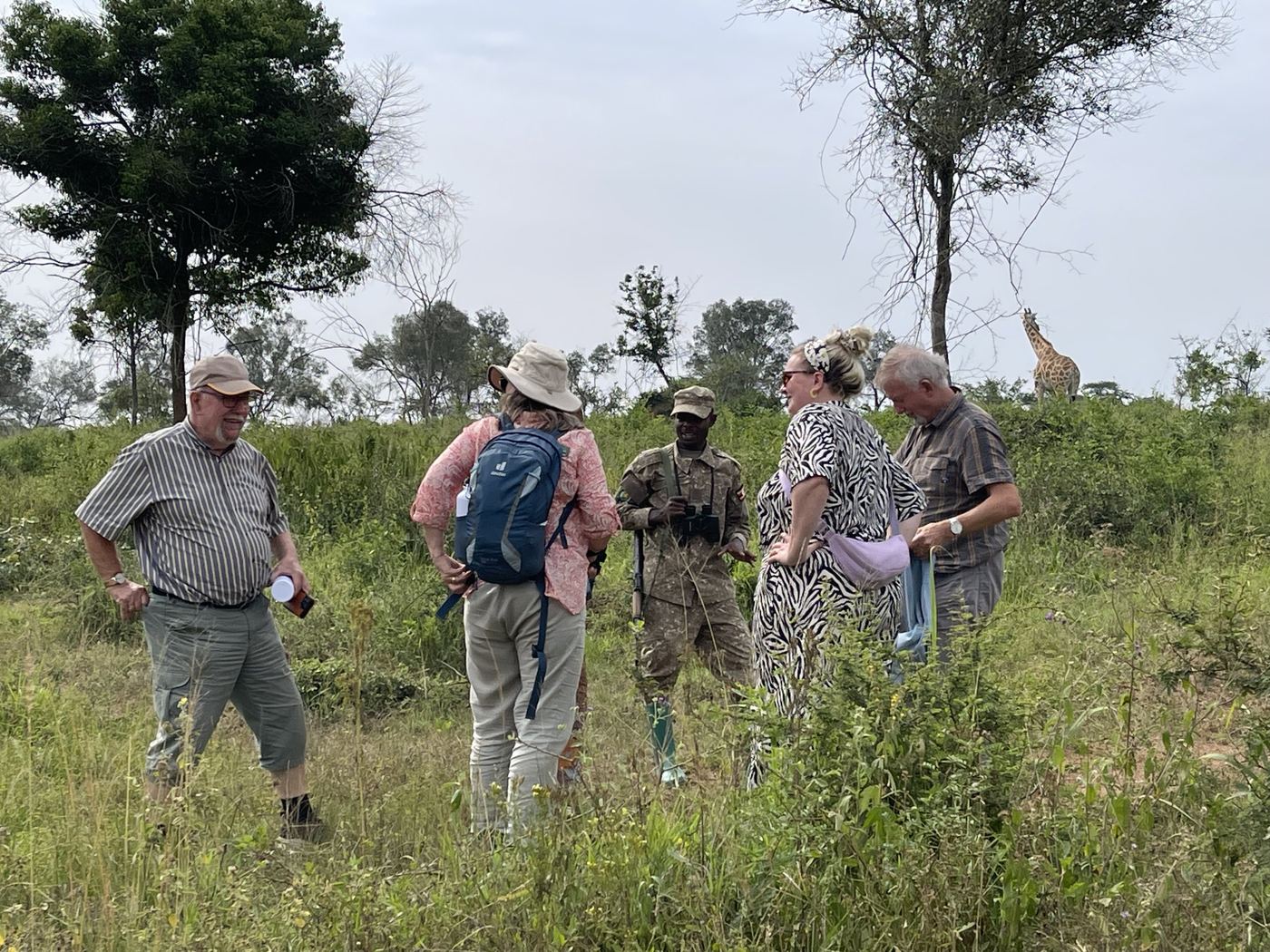
- Walks. A guided walk gives you a different pace and a closer look at the small things.
None of these is a crossing. They are a different kind of safari that sits well beside a crossing trip, which is why a conservancy stay can sit beside a crossing trip.
Conservancy vs main reserve for the migration: the trade-off
The conservancy vs main reserve decision comes down to one fact: herds do not always cross the river inside a conservancy. The crossings that visitors travel for happen on the Mara River, and the best-known stretches of it lie in the reserve. From a conservancy camp you can drive to the reserve for a crossing and return to a quieter camp in the evening.
That drive costs time. Camp distance changes your day: 20 minutes from the river versus 90 minutes can mean roughly two more hours of viewing, and a conservancy camp may sit further out. So the question to put to any conservancy camp is simple: how long is the drive to the nearest crossing area, and will your guide make it on a crossing morning?
What stays the same either way
The rules at a crossing do not change with your base. Guides hold vehicles back until the herd has committed and leave the landing zones open. A vehicle in the wrong place can turn a whole herd around. Our guide to the Mara River crossing points names the crossing areas and explains how guides read the signs.
Mara conservancies migration safari: how to combine a conservancy and the river
The strongest design is a split stay: a few nights in a conservancy, then a few nights near the river. Split in this way, the trip keeps the quiet sightings of the conservancy and still gives you several mornings at the water. Build flexibility into the plan, not just the dates, and a split stay is that flexibility in practice.
A sample shape
- Three nights in a conservancy. Settle in, take a walk, enjoy a night drive and learn the guide's way of working.
- Four nights near the river. Spend them in the central reserve or the Mara Triangle, close to the crossing areas. We recommend at least four nights in the main migration area.
A similar mix is built into Kenya Migration Explorer: Maasai Mara River Crossings, an eight-day private 4x4 trip from US$6,100 per person. The route covers the Triangle, the central Mara and Mara North Conservancy, and it suits late July to early October.
For a beach after the bush, Kenya Migration & Zanzibar Escape is a nine-day trip from US$5,450 per person. Four nights go to the Mara River crossings and four to Zanzibar's north coast, between July and October. For the reserve and Triangle camps on the river side of a split stay, see our guide on where to stay in the Masai Mara for the migration.
Order of the nights
There is no single right order. Either works, and we set the order against your dates, the position of the herds and the camps that have space.
Mara North Conservancy, Olare Motorogi Conservancy, Naboisho Conservancy and neighbours
Mara North, Olare Motorogi, Naboisho, Ol Kinyei and Lemek share the model above: private land, limited beds, limited vehicles. How they differ for you is mainly the position of the camp inside each one and its drive time to the river, so we compare camps rather than conservancies.
| Conservancy | What we can say | What to ask us |
|---|---|---|
| Mara North | Used in our Kenya Migration Explorer for the Mara North Conservancy migration stay | Drive time from the camp to the river and the reserve boundary |
| Olare Motorogi | Home to Mara Plains Camp, a luxury example | Whether the camp has space on your dates and its drive time to the river |
| Naboisho | A private conservancy with limited beds and vehicles | Camp position and drive time to the river |
| Ol Kinyei | A private conservancy with limited beds and vehicles | Camp position and drive time to the river |
| Lemek | A private conservancy with limited beds and vehicles | Camp position and drive time to the river |
Camp examples are placed as we use them. Which camps are open, and where they sit, changes each season, so both are confirmed when we quote.
We do not quote bed counts or vehicle limits here because they are set by each conservancy and change. We confirm them when we quote.
Masai Mara conservancy fees: what the camp rate usually covers
Masai Mara conservancy fees normally sit inside the nightly camp rate, so they do not appear as a separate line on your quote. The land is leased from Maasai landowners.
The reserve is different. If a crossing morning takes you into the Maasai Mara National Reserve, its own ticket applies for that day. On the published 2026 tariff, an adult day costs US$200 from 1 July 2026, a child aged 9 to 17 pays US$50 and younger children are free. The quote shows how reserve days are charged, with 2027 fees confirmed there.
Rates for the camps themselves vary with class and season, and we do not list conservancy prices here. For the shape of a whole-trip price, read our Great Migration safari cost guide.
The Loita herds and why conservancies matter
Kenya has a second, smaller migration, the Loita wildebeest, which move on the Loita Plains and arrive in the Mara from the east around July. They are separate from the Serengeti herds, which spend roughly three to four months in Kenya, and their numbers have declined with fencing, farming and settlement.
That history shows why open land matters for wildlife. Conservancies lease land from Maasai landowners and limit beds and vehicles, so a stay in one is a stay on land managed as a private wildlife area.
The two populations overlap in the Mara around the same weeks, so the herds you see in July and August may include both. Our Great Migration in September and Great Migration in October guides show how the Kenyan season thins as the herds drift back south.
Who a Mara conservancies migration safari suits
A conservancy suits travellers who want more than a crossing: space, privacy and the freedom to walk or drive at night. It is a poor primary base for anyone whose trip depends on being at the water every morning. Those two groups can both be happy with a split stay, which is why we often suggest one.
- Repeat visitors: you have seen the reserve and want a different Mara, with walks and night drives.
- Photographers: off-road driving lets a guide position the vehicle for light and angle.
- Couples and small groups: fewer vehicles and fewer camps make for a quiet stay.
- Families: minimum ages at some camps are 6, 8 or 12, so check before you book.
- First-time visitors with a crossing as the only aim: choose a base near the river, and add a conservancy only if you have extra nights.
For dates outside July to October, the Mara is not where the herds are. Read our Serengeti vs Masai Mara decision guide before you commit.
Next steps for your Mara conservancies migration safari
- Decide whether you want walks, night drives and off-road driving, or whether the river is the only goal.
- Choose a split: how many nights in a conservancy and how many near the river.
- Ask every camp how many minutes it takes to reach the nearest crossing area.
- Book early: for July to September allow at least nine to twelve months, because the camps nearest the crossings sell out first.
- Send us your dates, group and nationality, and we will build the split and set out the fees in your quote.
Design a conservancy and river split
Tell us your dates and who is travelling. We will propose the conservancy nights, the river nights and the flights, then price every fee line by line.
Plan my tripKeep reading: related Great Migration guides
Where to stay in the Masai Mara for the migration
Camps and areas on the Kenyan side, by what you want to see.
Mara River crossing points and timing
Where the herds cross, the likeliest weeks and how a crossing unfolds.
Great Migration month by month
Twelve months compared, with a page for each one.
Great Migration in August
Where the herds are in August, the weather and who should go.
How to plan a migration safari itinerary
How many nights, which areas and in what order.
For the whole picture, see our Great Migration safari guide. If you are ready to price a trip, Kenya Migration Explorer: Maasai Mara River Crossings starts from US$6,100 per person.