
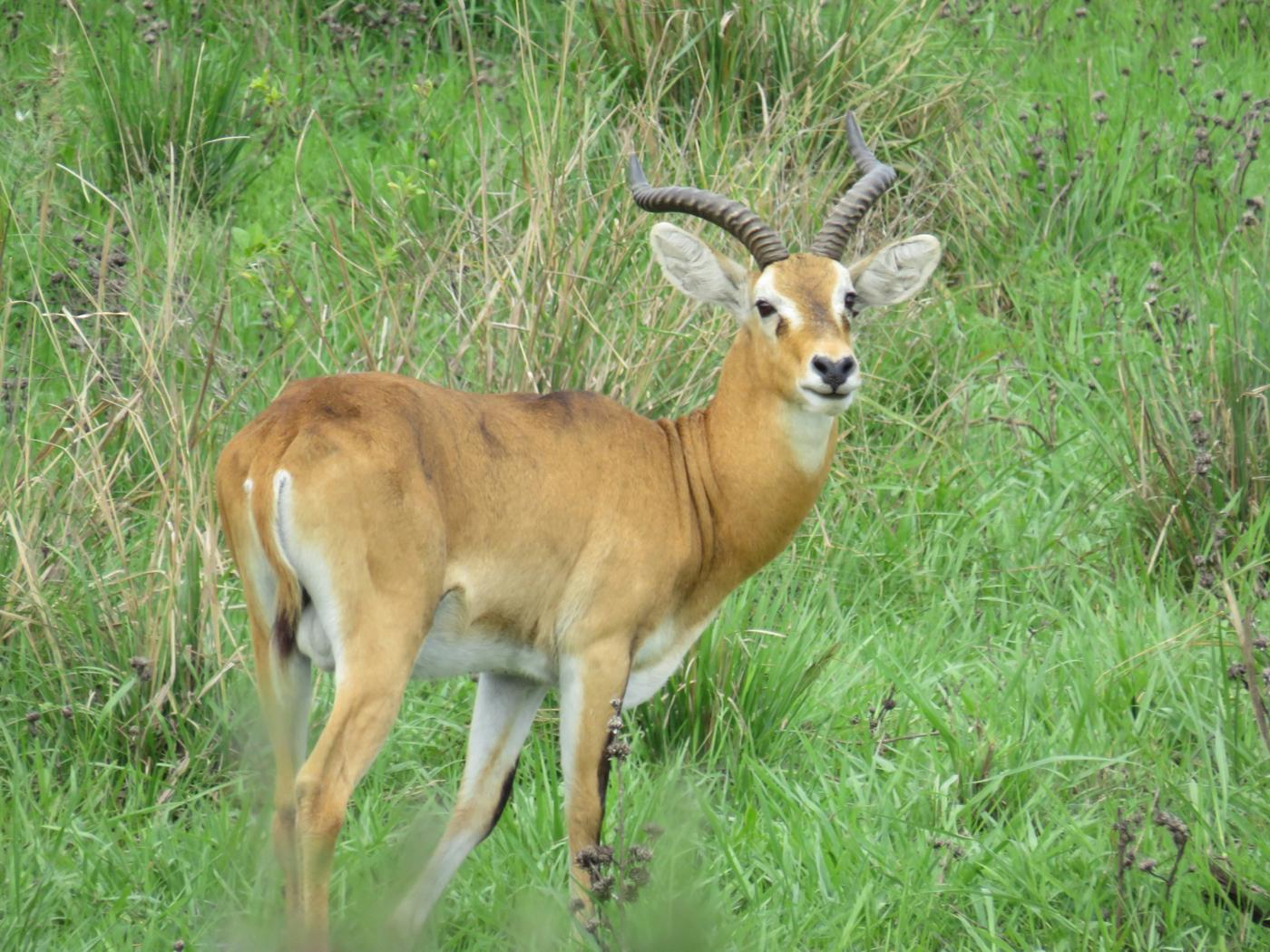
Solo women on safari in East Africa travel in growing numbers, and with a licensed operator, a private guide or a small group departure and a few sensible habits, a safari is one of the better ways to see the region alone, because you are escorted, you sleep in staffed camps and most of your day is spent in a vehicle with a guide. This guide is written on 14 November 2026. It covers what is actually different for women, which risks are real, how to choose between a private and a group trip, how single supplements work, how to handle cities, taxis and nights, what to pack and what to ask your operator. People search for it as solo female safari, solo women safari, safari for women travelling alone, is Uganda safe for solo female travellers, solo female travel Kenya, solo female travel Tanzania and single supplement safari.
Quick answer
Go with a licensed operator, book small camps or lodges with staff and security, use pre-arranged transfers in cities and towns, never walk alone outside camp at night, and choose a private guided trip or a group departure, not a self-drive. Sources from safari companies agree that a guided trip is safer than a self-drive for a woman travelling alone, and that petty theft is a more realistic risk in cities than physical attack, which one source calls rare.
Single supplements are the main extra cost, but they are often reduced or waived on group departures and in the green season, and a few camps waive them altogether. For the general safety picture, read our solo safari cost and safety guide, and for each country, our is Uganda safe to visit guide, is Kenya safe to visit guide and is Tanzania safe to visit guide.
Solo women on safari at a glance
| Question | Short answer |
|---|---|
| Is it safe? | Guided safaris with a licensed operator are a safe way to travel alone; cities need normal care |
| Private or group? | Both work; group trips give company and often lower supplements |
| Self-drive? | Not advised for a woman alone, especially on a first trip |
| Nights | Do not walk alone outside camp after dark |
| Transfers | Use pre-arranged transfers, not street taxis |
| Single supplement | Often reduced or waived on group departures and in the green season |
| Female guide | Can be requested where available; not guaranteed |
| Insurance | Essential, with medical evacuation |
| Best for first-timers | A small group departure or a private trip with a trusted operator |
Chapter 01: Is a safari safe for a woman travelling alone?
On the safari itself, yes. You are with a driver-guide for most of the day, you stay in lodges and camps with staff, and national parks have rangers. Africa Geographic describes small-group or private guided trips as the safest options for women, and says physical attack is rare and petty theft is the more realistic risk in cities. Cheetah Safaris notes that safari camps provide security staff, and advises mid-range tented camps or small lodges.
The risks that matter are the ones around the safari: airports, city streets, road transfers and the night. The UK government's Uganda advice, which we read on 14 November 2026, warns that tourists who show signs of wealth may be targeted, notes opportunistic theft and muggings by motorbike taxis, and advises against walking after dark. Those cautions apply to men and women alike, and we pass them on to every guest. Our is East Africa safe to visit guide covers the regional picture.
Chapter 02: Should you choose a private trip or a group departure?
A private trip gives you control of the pace and the route and a vehicle to yourself, at a higher cost because you carry the whole vehicle and any single supplements. A group departure or shared vehicle shares those costs and gives company, which many solo women value for the evenings. Asilia and Cheetah both say group tours give companionship and a safety net, and Cheetah says a private safari suits people who want privacy. Wilderness says solo guests can join shared activities or keep to themselves.
Our view is that a first solo safari works well either way, provided the operator is licensed and the camps are staffed. If you are unsure, start with a small group on a short itinerary. Our private versus group safari guide explains the choice in detail.
Chapter 03: How do single supplements work?
A single supplement is the extra you pay to use a double room alone. Sources disagree on how big it is, and none gives comparable figures. Africa Geographic says supplements are often reduced or waived on group departures and are typically around 10 to 30 per cent otherwise, without giving a source. Wilderness says it does not charge a single supplement for two-person accommodation. Cheetah says group departures and shared vehicles can reduce or remove supplements and luxury lodges may charge more. Discover Africa says green-season trips often come with waivers, and warns that a vehicle seat can still make a private solo trip expensive even without a room supplement.
Ask for the supplement as a separate line in your quotation, and ask whether it is waived on your dates. We show it separately. The green season is a good time to ask, and our green season safari value guide explains the trade-offs. For the overall cost, see our cost of an East Africa safari guide.
Chapter 04: How do you choose accommodation?
Look for camps and lodges with staff on site at night, a reception or a manager and, in tented camps, an escort to your tent after dark. Small, owner-run properties often feel more personal. Asilia lists several camps it describes as solo-friendly, including Rekero, Naboisho, Oliver's, Jabali Ridge and Dunia, but these are the operator's own descriptions and carry no safety data. Our tented camp versus lodge guide and family-friendly safari camps guide explain how the options differ, and our Kenya luxury conservancy safaris guide covers the small private camps in the Mara area.
In every camp, use the lodge safe for passports and cash, and ask the staff to escort you after dark. If a room feels wrong, say so at once. We choose accommodation for solo guests with this in mind.
Chapter 05: How should you handle cities, taxis and nights?
- Use pre-arranged transfers. Africa Geographic says escorted transfers replace public taxis for solo women in cities. We arrange pick-ups and transfers for our guests and confirm the details in advance.
- Do not walk alone at night, in a camp or a town. This is the most common advice in every source we read.
- Do not share your location with strangers. Flightlink advises not telling strangers where you are staying and sharing your location with a trusted contact.
- Be firm with harassment. Africa Geographic advises a clear refusal and then telling your guide or lodge manager.
- Take care with motorbike taxis. The UK government notes muggings by motorbike-taxi riders in Uganda, and we advise using a car arranged by us or your hotel instead.
- Carry less. Leave valuables in the safe, and carry a copy of your passport. Discover Africa advises using lodge safes and a money belt.
One source suggests carrying pepper spray or a taser where allowed. We cannot say what is allowed in each country, so check the law before you pack any such item, and do not bring anything that might be treated as a weapon through airport security.
Chapter 06: What should you wear?
Dress for the activity and the place. In the bush, neutral colours such as khaki, olive and brown are standard, and long sleeves and trousers protect you from sun and insects. In towns, villages and on the coast, particularly in the Muslim communities of Zanzibar and the Kenya coast, modest clothing that covers shoulders and knees avoids attention. Asilia advises dressing modestly and respecting local customs, without detail. Our East Africa safari packing list covers kit, our what to wear for gorilla trekking guide covers the forest, and our Zanzibar beyond the beach guide covers coastal dress.
Chapter 07: What about health, periods and medication?
None of the seven pages we read says anything about menstrual products, so here is our own advice. Pack what you need for your whole trip, since your preferred brand may be hard to find in a remote area, and take a sealable bag for used items in the bush. If you use a contraceptive pill or other medicine, carry it in your hand luggage in the original packaging with a copy of the prescription. Check malaria and yellow fever advice with your doctor at least eight weeks before you travel, as the UK government recommends, and see our malaria and yellow fever guide. Buy insurance with medical evacuation, which Africa Geographic and Cheetah both stress, and see our safari travel insurance and evacuation guide.
Chapter 08: How does a solo woman trek gorillas?
You trek in a group of up to eight visitors with rangers and a porter if you hire one, so you are never alone in the forest. Groups are made up of whoever has booked that family on that day, and you can ask for a group matched to your pace. The minimum age is 15 and the rules apply to everyone, as our gorilla trekking rules and regulations guide explains. A porter is a good idea for solo walkers, since the steep sections are easier with a steady arm. Our first-time gorilla trekking guide and is gorilla trekking safe guide cover the day.
Chapter 09: Can you have a female guide?
Africa Geographic says it will request a female guide where one is available, but cannot guarantee one on every date. Asilia calls its Dunia Camp in the Serengeti Africa's only all-female-run safari camp, which is the company's own claim and we have not verified it. We found no source giving the number of female guides in Kenya or Tanzania. We can ask, and we tell you before you pay whether a request is confirmed. Our safari guide explains what a safari day looks like, and our Tanzania safari guide covers the Serengeti.
Chapter 10: How many solo women travel?
Discover Africa, a UK operator, says solo travellers made up 10 per cent of its bookings in the year of its article, that enquiries had more than doubled and that about 70 per cent of its solo travellers were women. These are the company's own figures, from a page last updated on 8 July 2025, so they show a trend, not a market total. Africa Geographic says it has worked with thousands of women who have travelled solo, without figures or a year.
Chapter 11: What should you ask your operator?
- Is the company licensed in the country where you travel?
- Who meets me at the airport, and with what vehicle?
- Are the camps staffed at night, and will someone escort me to my room?
- What is the single supplement on my dates, and is it waived?
- Can I join a group departure for part of the trip?
- Can I have a female guide, and is it confirmed?
- What is your emergency plan, and who do I call?
Our questions to ask a safari operator before booking gives the full list. Our first-time safari planning guide and safari tipping guide cover the rest of the trip.
Chapter 12: Where do the sources disagree?
We read seven pages from safari companies and travel blogs. None is a government source, and none cites an advisory. They disagree on single-supplement figures, on whether Tanzania belongs on a list of the safest destinations and on how much a private solo trip costs. One redirected to another page, and another page was a landing page with no tips, so we did not use them. Only one source gives the share of solo women, and it is a company's own number. We have marked every figure with its source and told you where we are giving our own advice.
Tell us your dates and comfort level, and we will reply within 24 hours with a private or group plan, a female guide request where possible and a quotation that shows any single supplement separately.
Request a free quotation