
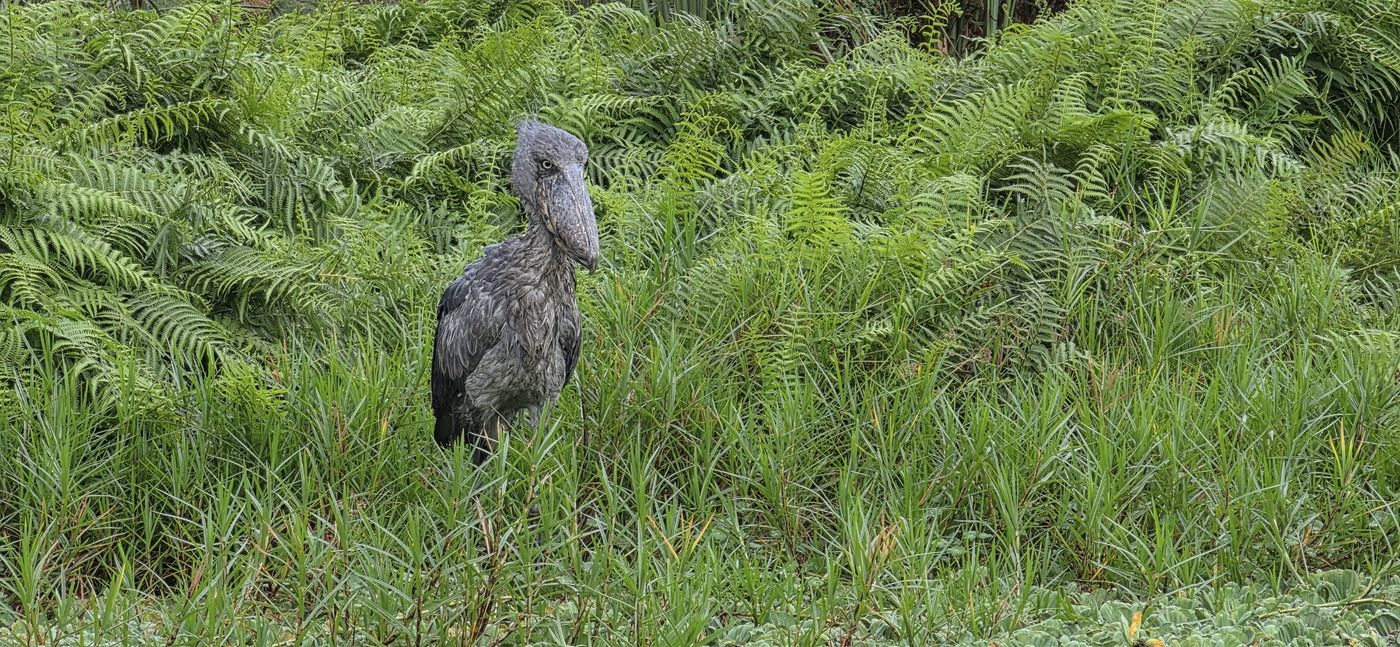
14 Day Uganda Wildlife and Birding Safari
Ask for pricingper person
14 Days
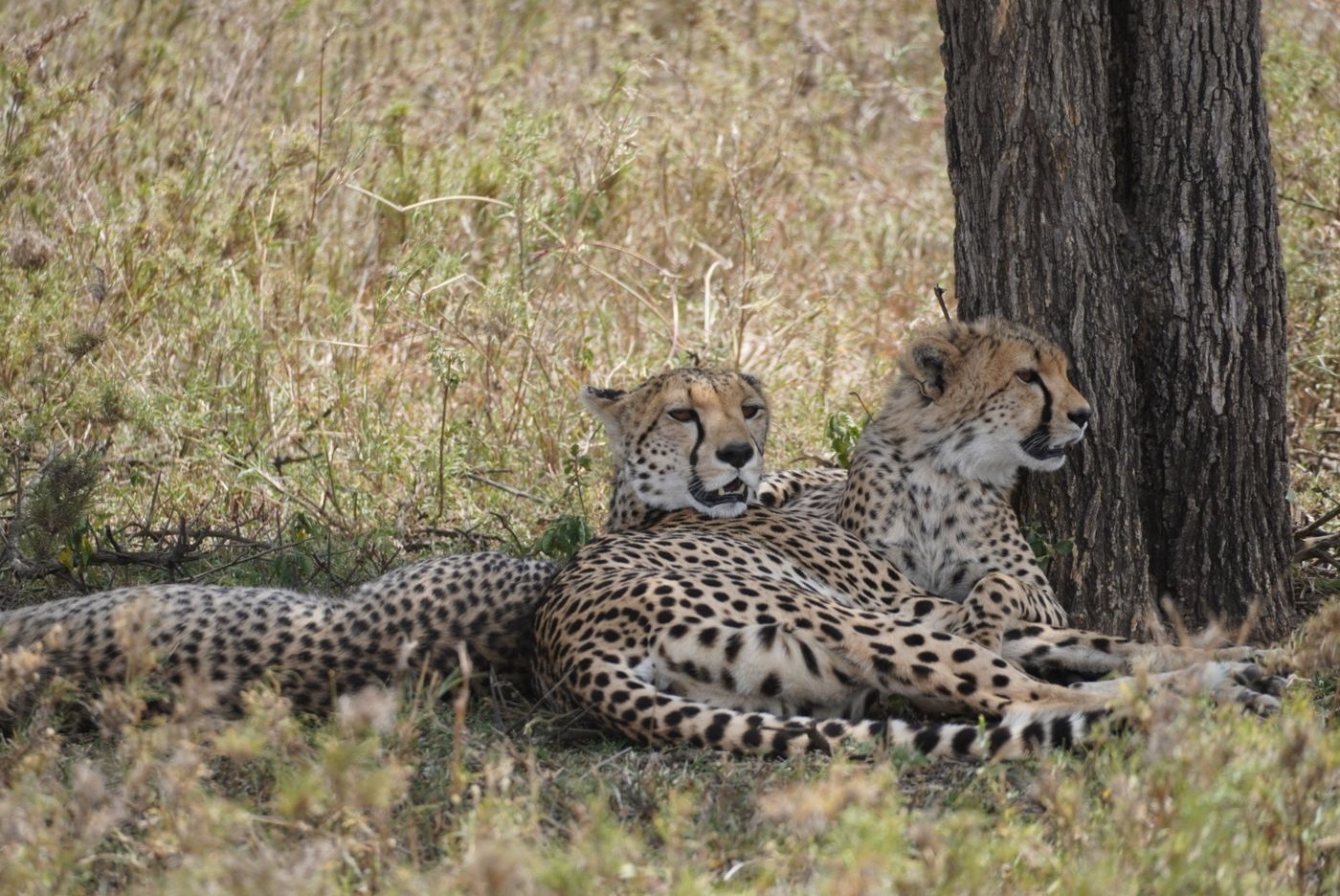
Sipi Falls, Karamoja and Kidepo in the north-east, then Murchison, Kibale, Bwindi and two herping days
Best for: Travellers with 18 days who want the north-east and Kidepo as well as the classic western parks, with a gorilla trek and two herping days
Itinerary ref: UG-009
An 18 day Uganda safari that goes where most itineraries stop short: Sipi Falls on the slopes of Mount Elgon, a day with the Karamojong at Moroto, two nights in Kidepo Valley National Park, then Murchison Falls, Kibale, Queen Elizabeth, a gorilla trek in Bwindi, Lake Bunyonyi and Lake Mburo. Two of the days are herping days, with species lists for each, and the trip ends with a morning of reptile and frog hunting near Mityana before the flight home.
Tell us your dates, how many of you are travelling and if you would like the chimpanzee trek or the herping on the morning of day 10. We check permits and lodge space first, then send an itemised quote.
Enquire About This SafariMost Uganda safaris head west from Entebbe and stay there. This one starts in the east. It climbs to Sipi Falls, drops into Karamoja, the dry north-east where the Karamojong still herd cattle across open country, and then reaches Kidepo Valley, the most remote of Uganda's national parks. From there it turns south and runs the classic circuit: Murchison Falls on the Nile, chimpanzees and forest walks at Kibale, the Kazinga Channel at Queen Elizabeth, the gorillas of Bwindi, Lake Bunyonyi and Lake Mburo.
That makes 18 days and 17 nights, with a private vehicle and one driver-guide from the airport to the airport. Five of the days are long days on the road, and they are marked in the route table below so that nobody is surprised. The days in Kidepo, at Sipi and at Bwindi are the ones where you stay put, and the pace feels different once you are there.
If you want a shorter loop through the western parks only, our 14 day Uganda wildlife and birding safari concentrates on the shoebill, rhinos and four primate treks, and our 10 days Best of Uganda safari is the compact version. This 18 day route is the one for guests who want the north-east and the reptiles as well.
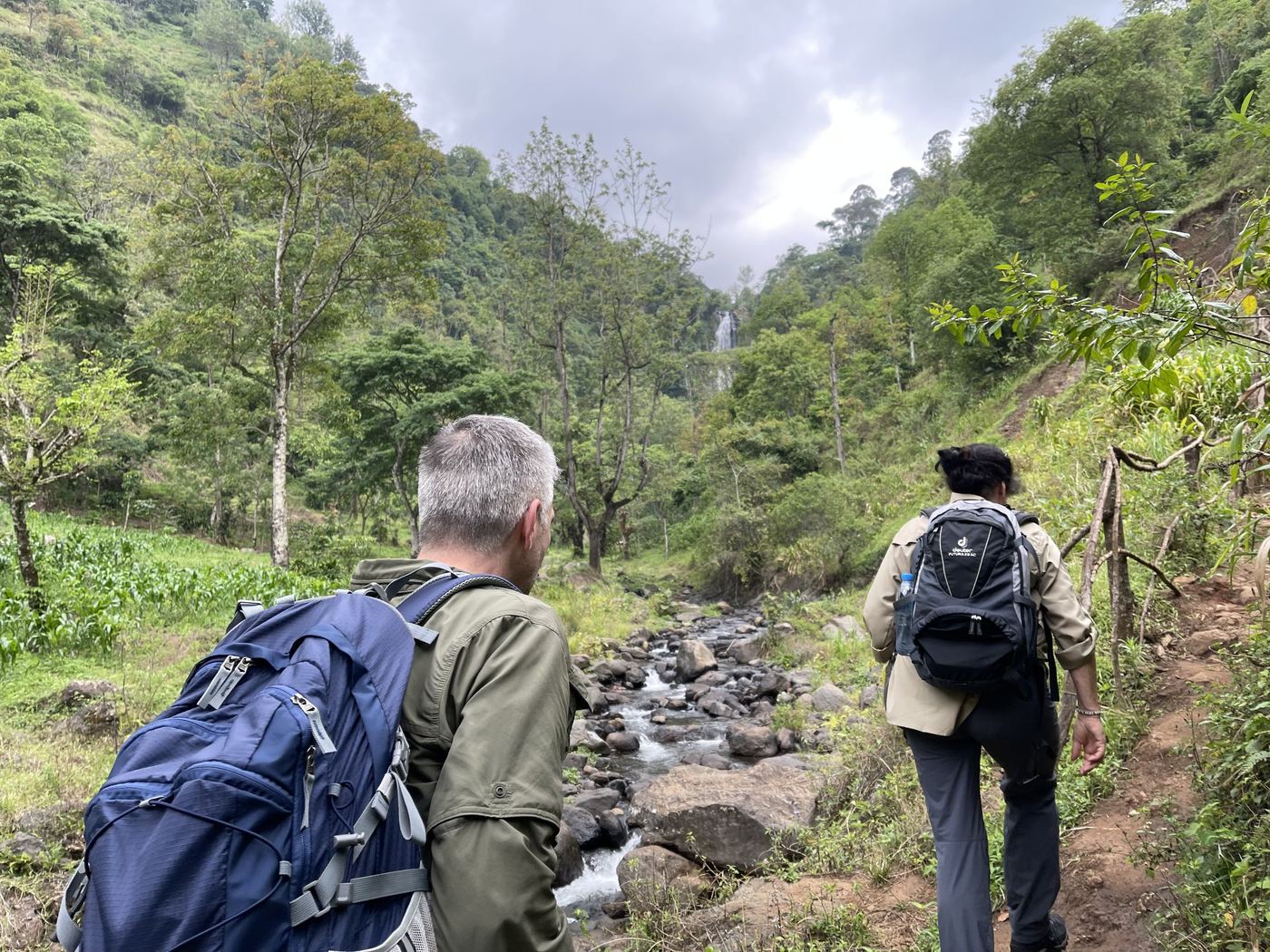
Seventeen nights in ten places. The drive times are the ones we plan with, and each is confirmed when you book. The long days are marked in the table. The roads in Karamoja are rough, so those stretches take longer than the distance suggests.
| Night | Place | Stay | The day |
|---|---|---|---|
| 1 | Entebbe | Sienna Beach Hotel | Arrival and a rest day |
| 2 and 3 | Sipi Falls | Heritage Lodge Sipi | Day 2: about six to seven hours by road (long road day). Day 3: the falls on foot |
| 4 | Moroto | Moroto lodge, named in your quote | About six hours by road, then a visit to a Karamojong community (long road day) |
| 5 and 6 | Kidepo Valley | Zebra Safari Lodge | Day 5: a long road day on rough roads, then a short evening game drive. Day 6: a full day of game drives |
| 7 and 8 | Murchison Falls | Pakuba Safari Lodge | Day 7: about nine hours by road (long road day). Day 8: game drive and Nile boat cruise |
| 9 and 10 | Kibale | Guereza Canopy Lodge | Day 9: six to seven hours by road, then Bigodi (long road day). Day 10: chimpanzees or herping, then a herping walk |
| 11 and 12 | Queen Elizabeth | Mweya Safari Lodge | Day 11: about three hours, then the Kazinga Channel. Day 12: game drive and a rest |
| 13 and 14 | Bwindi, Rushaga sector | Gorilla Leisure Lodge | Day 13: Ishasha and the road to Bwindi. Day 14: gorilla trek |
| 15 | Lake Bunyonyi | Bunyonyi Rock Resort | A short transfer and a free day |
| 16 | Lake Mburo | Kigambira Safari Lodge | About four hours, then an evening game drive |
| 17 | Mityana | Mityana lodge, named in your quote | Walking safari, then about five hours by road |
| 18 | Departure | Transfer to Entebbe airport | Morning herping, then about three hours to the airport |
Lodges are held for your dates when you book. If one is unavailable, we offer a close alternative in the same area before you pay.
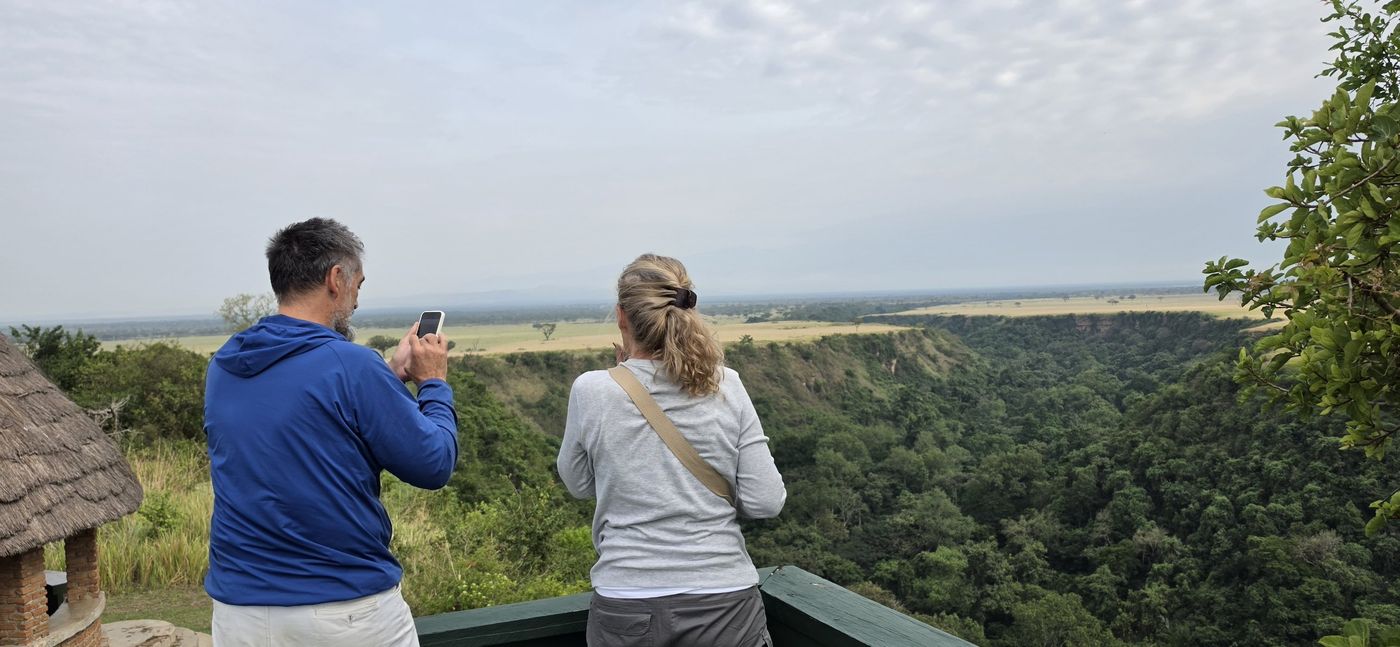
Here is the trip in order, from the arrival at Entebbe to the flight home.
Your driver-guide meets you at Entebbe International Airport and takes you to Sienna Beach Hotel for the night. Nothing is planned. After a long flight, a swim, a meal and an early night set you up for the first road day tomorrow. If your flight lands early, the lake shore is a good place for a first walk and some easy birdwatching.
You drive east, through Jinja on the Nile and on to the foothills of Mount Elgon, about six to seven hours with stops. The road climbs through farmland as you near Sipi. You sleep at Heritage Lodge Sipi, in a traditional roundhouse with a view of the falls, and the evening is cool enough for a fire.
Sipi is a series of three waterfalls on the slopes of Mount Elgon, and the tallest drops about 100 metres. A local guide walks you to them along a loop of roughly seven kilometres, with steep sections, so wear boots and bring water. The views over the plains toward Mbale are the reward. If you would rather walk less, the lodge looks straight at the falls and the second half of the day is yours.
The drive to Moroto takes about six hours on a dusty, unpaved road, and the landscape opens up into the dry plains of Karamoja. In the afternoon you visit a Karamojong community with a local guide, and learn how the Karamojong live: their cattle and herding, their homesteads, their food, and how life follows the seasons. Visits are arranged with the community in advance. Ask before you photograph anyone, dress modestly, and buy crafts from the people who made them. Mount Moroto, an extinct volcano, rises behind the town.
This is the roughest road of the trip, about 220 km by road through Karamoja, and it takes most of the day. The reward is Kidepo Valley National Park, in the far north-east, and a short game drive in the evening light. You sleep at Zebra Safari Lodge. A 4x4 and an early start make the day work.
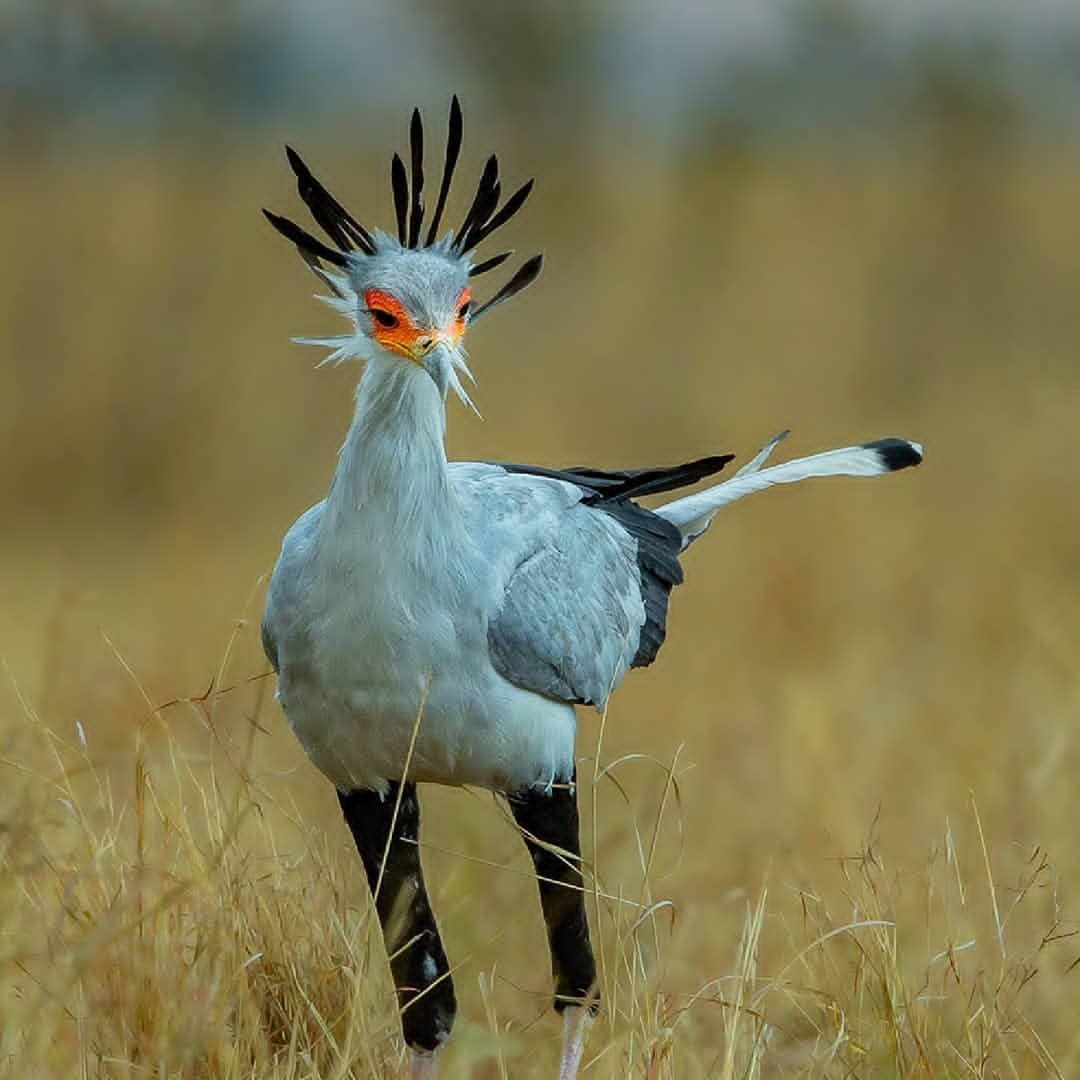
Kidepo has two valleys, the Narus and the Kidepo, and in the dry months the Narus Valley is the best game viewing in the park, because it holds the water that draws the animals in. The park reports more than 77 mammal species, including lions, buffalo and elephants, and Uganda's only wild ostriches, plus 476 recorded birds. Buffalo herds can number in the thousands. Rothschild's giraffe, secretary birds and bee-eaters are all on the list. Take a packed lunch and spend the day out. You return to Zebra Safari Lodge for a second night.
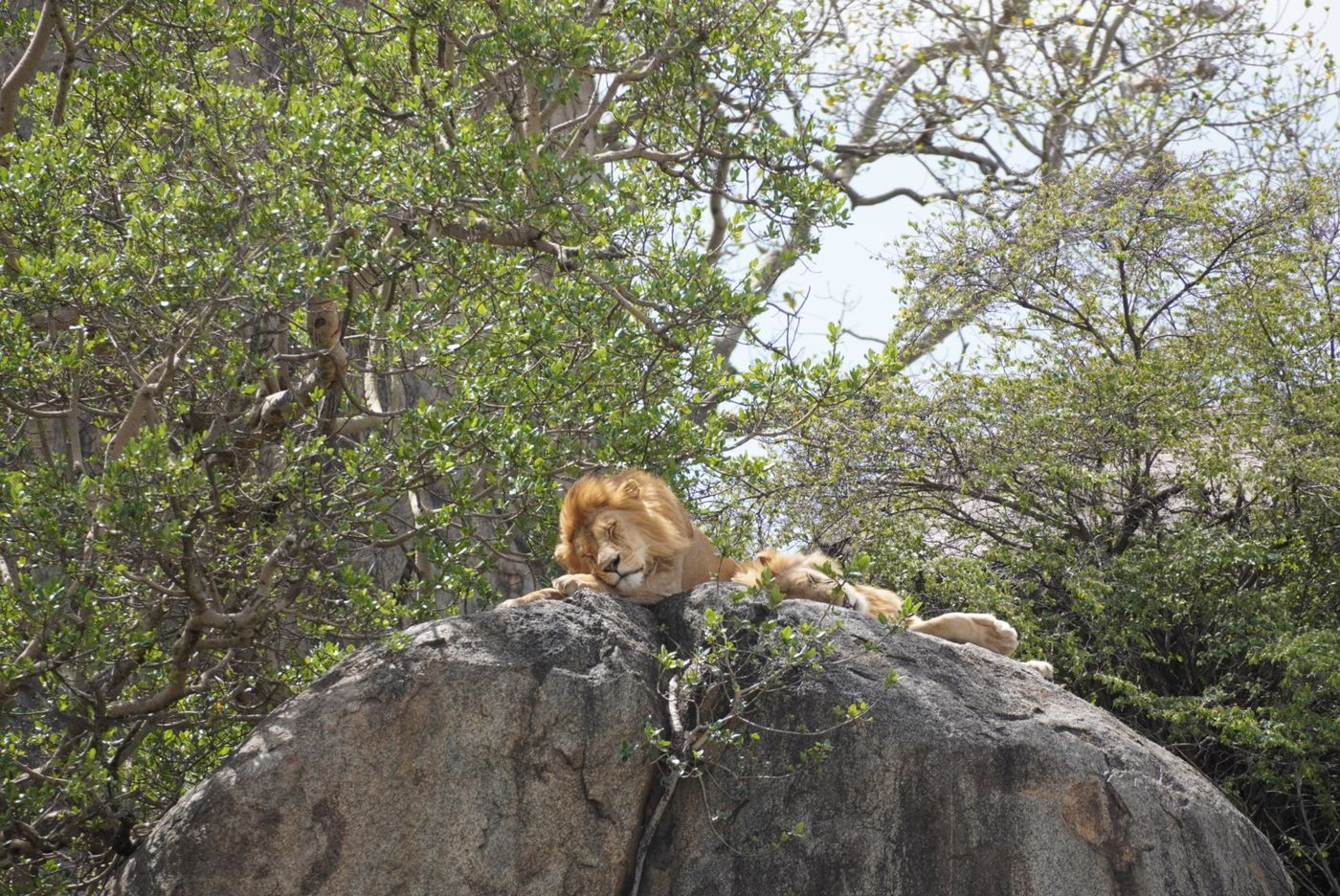
Kidepo is also where lions are often seen resting on rocky outcrops, which makes for different photographs from the tree-climbers of Ishasha. The Kidepo Valley guide goes deeper into the park.
A long road day, about nine hours with stops, so we leave at first light. The route runs south through Kitgum and Gulu and on to the northern edge of Murchison Falls National Park, where you check in at Pakuba Safari Lodge in the north of the park. Pack a lunch, take the stops as they come, and treat the day as a transfer. There is no activity planned, and the dinner is the one you have earned.
Start with a morning game drive in the open savanna of the northern sector, the best side of the park for giraffe, elephant, buffalo and Uganda kob. Murchison holds most of the world's Nubian (Rothschild's) giraffes. In the afternoon you take the launch cruise on the Nile, where hippos and crocodiles come close to the boat, and the cliffs and sandbanks are good for African fish eagle and the red-throated bee-eaters. The Paraa bridge crosses the Nile, so there is no ferry to wait for. Guests who want shoebills can ask for the delta cruise instead of the falls cruise.
A long drive west and south, six to seven hours with stops, brings you to Kibale National Park and Guereza Canopy Lodge on the forest edge. In the late afternoon you walk the Bigodi Wetland Sanctuary with a community guide. The boardwalks cross a papyrus swamp where great blue turacos and several monkey species show up, and the walk supports the local community.
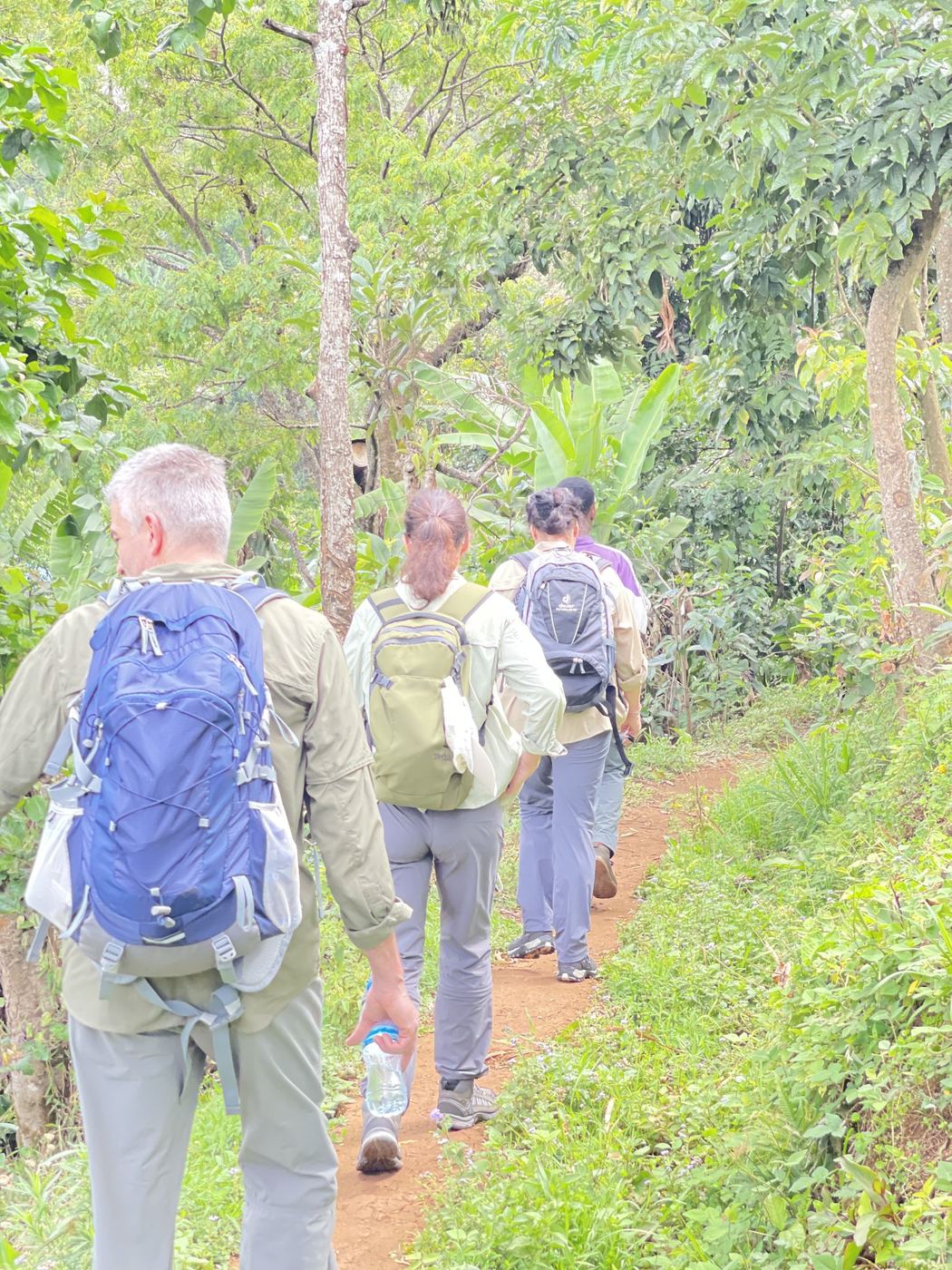
You have a choice for the morning. You can track chimpanzees with a ranger, for about an hour with the group once they are found, or you can spend the morning on a herping walk. The chimpanzee trek needs its own UWA permit, so tell us before you book. In the afternoon you take a guided herping walk in the forest edge and swamp. Kibale has a very rich reptile and amphibian fauna, with more than 70 species recorded, and the walk is about looking carefully, not about covering distance. See the species list below.
The drive to Queen Elizabeth National Park takes about three hours, through crater-lake country. You check in at Mweya Safari Lodge, on a peninsula above the Kazinga Channel, and in the afternoon take the launch cruise, about two hours. The channel is roughly 40 km long and links Lake Edward and Lake George. Hippos, buffalo, elephants and crocodiles come to the water, and the park's bird list passes 600 species.
An early game drive across the Kasenyi plains, where the kob are and where lions often hunt. The afternoon is free: swim, read, or sit above the channel with binoculars. If you still have energy, an optional game drive in the late afternoon is available. You sleep a second night at Mweya.
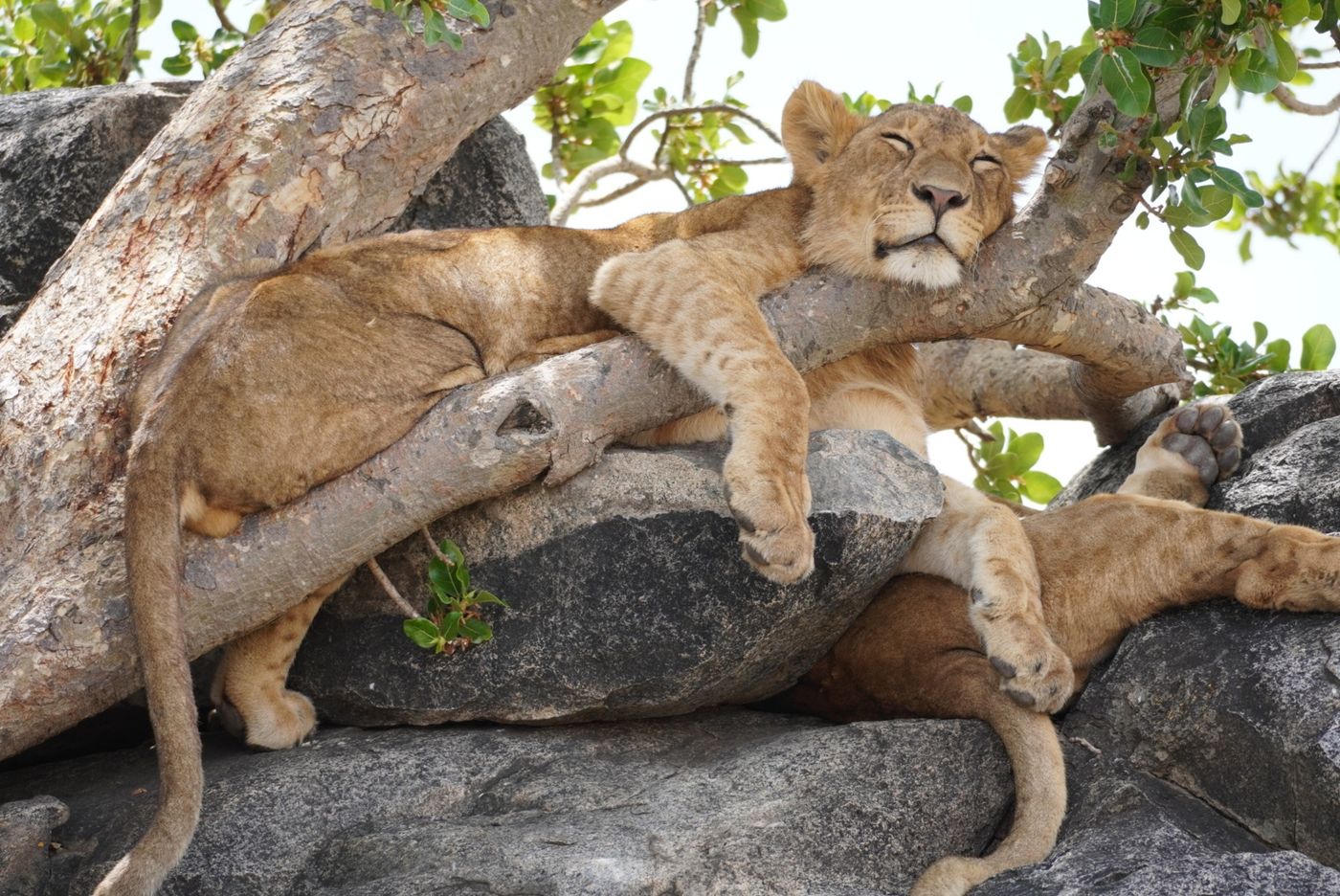
You leave Queen Elizabeth by the Ishasha sector, famous for tree-climbing lions that rest in the branches of fig trees, and you search for them on the way. Seeing them is a bonus, not a promise. The road then climbs into the Rushaga sector of Bwindi Impenetrable Forest, a full day in all, about six hours with stops. You sleep at Gorilla Leisure Lodge, close to the forest edge. Our guide to the tree-climbing lions explains where and when they are seen.
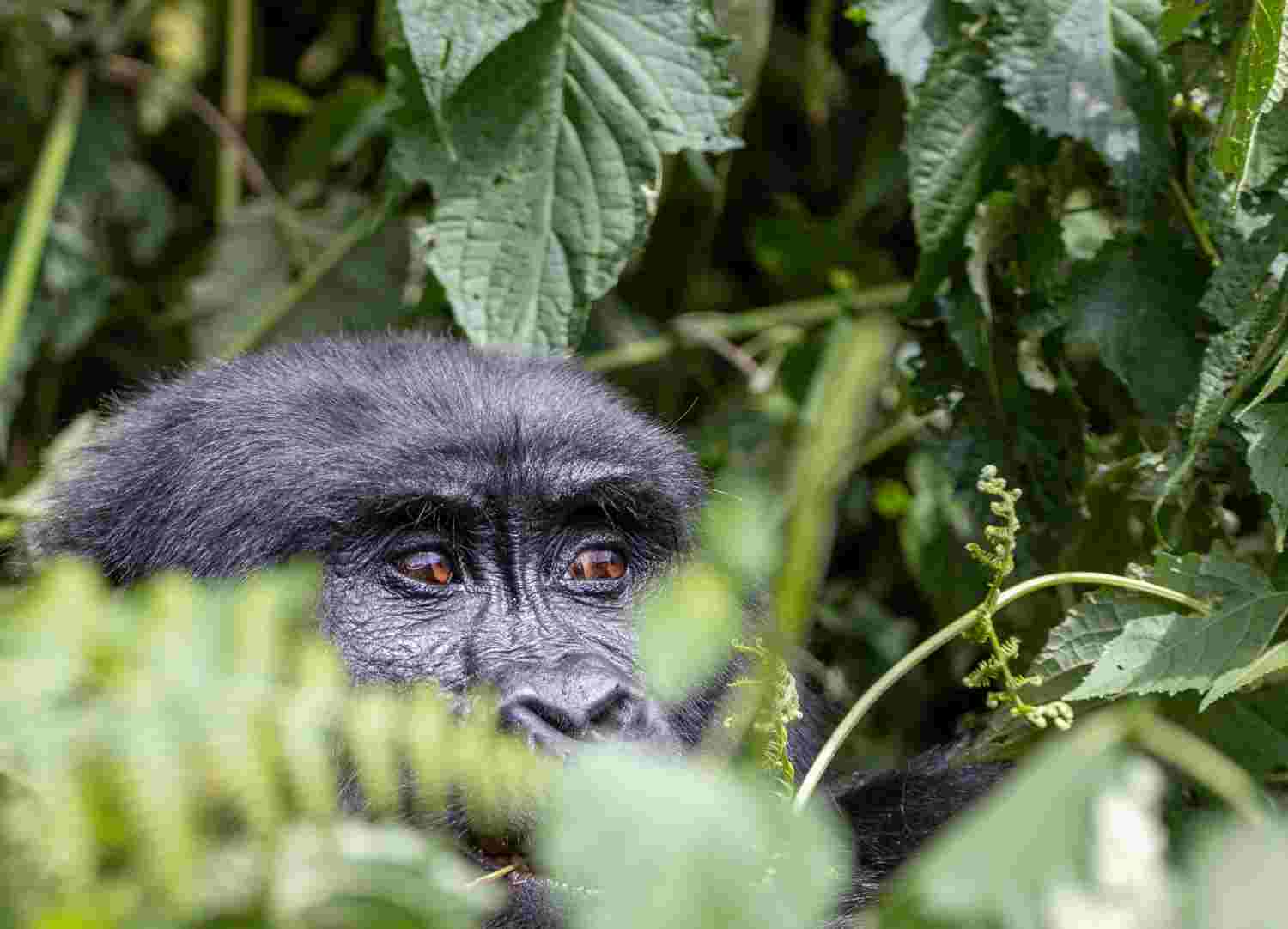
The briefing is at the park office in the morning, and rangers match you with a habituated gorilla family. Groups are limited to eight people, the minimum age is 15, and you spend one hour with the gorillas once they are found. The walk to them can be short or most of a day. Porters can be hired locally and are worth it. You sleep a second night at Gorilla Leisure Lodge. Our guide to what happens on the trek explains the day, and the fitness guide will help you decide about a porter.
A short transfer takes you to Lake Bunyonyi, and you check in at Bunyonyi Rock Resort. The rest of the day is a rest day after the trek. If you want to be out on the water, an optional boat or canoe cruise visits the islands, which are the point of the lake. Lake Bunyonyi has 29 islands and is a place to slow down.
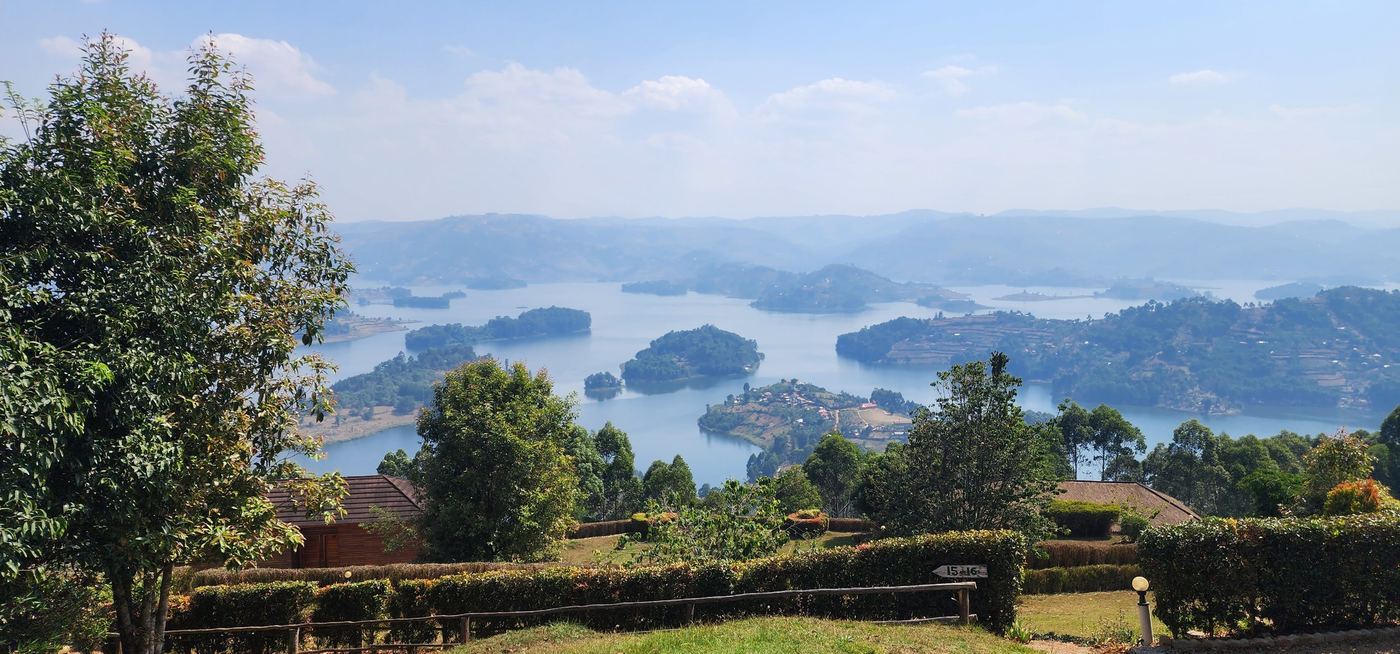
About four hours by road to Lake Mburo National Park, with a stop for a lunch. You check in at Kigambira Safari Lodge, to the south of the park, and in the evening you drive the open savanna among zebra, impala, topi and eland.
A guided walk with an armed ranger is possible at Mburo, and the early morning is the best time. On foot you walk among zebra and impala, and in Rubanga Forest you can look for forest birds. Then comes the drive to Mityana, about five hours with stops, where you stay the night near the forest patches that you will search the next morning.
An early herping walk with a local snake guide, in the forest patches and swamp edges around Mityana. Then the drive to Entebbe, about three hours with Kampala traffic, and the drop-off at the airport. Most international flights leave in the evening or at night, and we plan the morning around yours. Tell us at booking if your flight is early. The species list below shows what herping teams have recorded in this area.
Karamoja is the dry north-east corner of Uganda, and the Karamojong are pastoralists whose lives are organised around their cattle and the seasons. The visit on day 4 is a short, guided stop in a community near Moroto, and it is built around learning, not around taking photographs. You are shown how a homestead is laid out, how the animals are kept and how food is prepared, and you can ask questions through your guide.
Karamoja is remote, and the roads between Sipi, Moroto and Kidepo are rough. Check your own government's travel advice for the north-east of Uganda before you book. If anything changes that affects the route, we tell you before you pay.
Herping means searching for reptiles and amphibians: frogs, chameleons, lizards and snakes. This safari has two herping outings. Day 10 is a walk on the edge of Kibale Forest and in its swamp, and day 18 is a morning around the forest patches of Mityana. They are different habitats, so the lists below are different too.
No operator can promise a species. Reptiles and frogs are most active in warm, damp weather, snakes are the hardest group to find, and the lists below show what has been recorded in these areas, not what you will see on one walk. A realistic outing gives you a good number of frogs, a few lizards and, with luck, a chameleon and a snake. The lists come from the published survey of Kibale's amphibians and reptiles and from herping trip reports for Mityana.
Kibale National Park has a very rich herpetofauna. A survey of the park recorded more than 70 species of amphibians and reptiles, with frogs the most numerous. The groups below are the ones you are most likely to meet.
| Group | Species recorded | What to know |
|---|---|---|
| Chameleons | Boulenger's pygmy chameleon (Rhampholeon boulengeri), Elliot's side-striped chameleon (Trioceros ellioti), Ituri chameleon (Trioceros ituriensis) | The pygmy chameleon is the commonest forest chameleon, usually low in shrubs. The Ituri chameleon is uncommon and higher up in the trees |
| Lizards | Forest lizards (Adolfus africanus, Adolfus vauereselli), blue-headed tree agama, striped skink (Trachylepis striata), tropical house gecko | The Adolfus lizards bask in patches of sun on the forest floor. The agama and gecko are on trees and buildings at the forest edge |
| Frogs and toads | Grauer's puddle frog (Phrynobatrachus graueri), Kivu tree frog and Christy's tree frog (Leptopelis), reed frogs (Hyperolius lateralis, H. kivuensis, H. viridiflavus), Kisolo toad, white-lipped frog, Angolan river frog, clawed frogs (Xenopus) | Grauer's puddle frog was the frog most often seen in the survey. The tree frogs and reed frogs are the evening calls |
| Snakes (occasional) | Forest wolf snake, snake-eaters (Polemon), green snakes (Philothamnus), montane egg-eater, Jackson's tree snake, African rock python. Venomous: forest cobra, Gaboon viper, Jameson's mamba, variable burrowing asp | Snakes were found mostly by night and on roads, not deep in the forest. Treat a snake sighting as a bonus |
Mityana has small patches of forest, swamp and farmland, and it has a name among herpers for snakes. The species below were recorded there by herping teams over several days of searching with local trackers, so a single morning will show you only part of the list.
| Group | Species recorded | What to know |
|---|---|---|
| Vipers (venomous) | Gaboon viper (Bitis gabonica), rhinoceros viper (Bitis nasicornis), variable bush viper (Atheris squamigera), rough-scaled bush viper (Atheris hispida) | The Gaboon and rhinoceros vipers lie on the forest floor and are well camouflaged. The bush vipers are found in vines and shrubs, sometimes sunning |
| Other venomous snakes | Jameson's mamba, forest cobra, variable burrowing asp | Only the guide handles these. You watch and photograph from a safe distance |
| Other snakes | Montane egg-eater (Dasypeltis atra), Jackson's tree snake, emerald snake, olive sand snake | The egg-eater is slender and feeds on birds' eggs |
| Chameleons and lizards | Elliot's side-striped chameleon, blue-headed tree agama, tropical house gecko | The chameleon is often found asleep in reeds at night or early morning |
| Frogs | Lake Victoria clawed frog, Nutt's river frog, Natal puddle frog, cinnamon-bellied reed frog, common reed frog | Easy to find near water, and calling in the evening |
Scientific names for African reptiles and frogs are revised often, so a name may differ from a field guide printed some years ago. Your guide will confirm what you find.
You will also see reptiles without looking for them. The Nile crocodile is on the Murchison Falls and Kazinga Channel cruises, and the Nile monitor is common on the banks of the channel. Our guide to night drives and walking safaris explains what to expect after dark.
Sources for the lists: the survey of the amphibians and reptiles of Kibale National Park by J. Vonesh (Contemporary Herpetology, 2001), and the 2018 Southwest Uganda herping trip report from Herpsafari, together with a 2014 article in Reptiles Magazine.
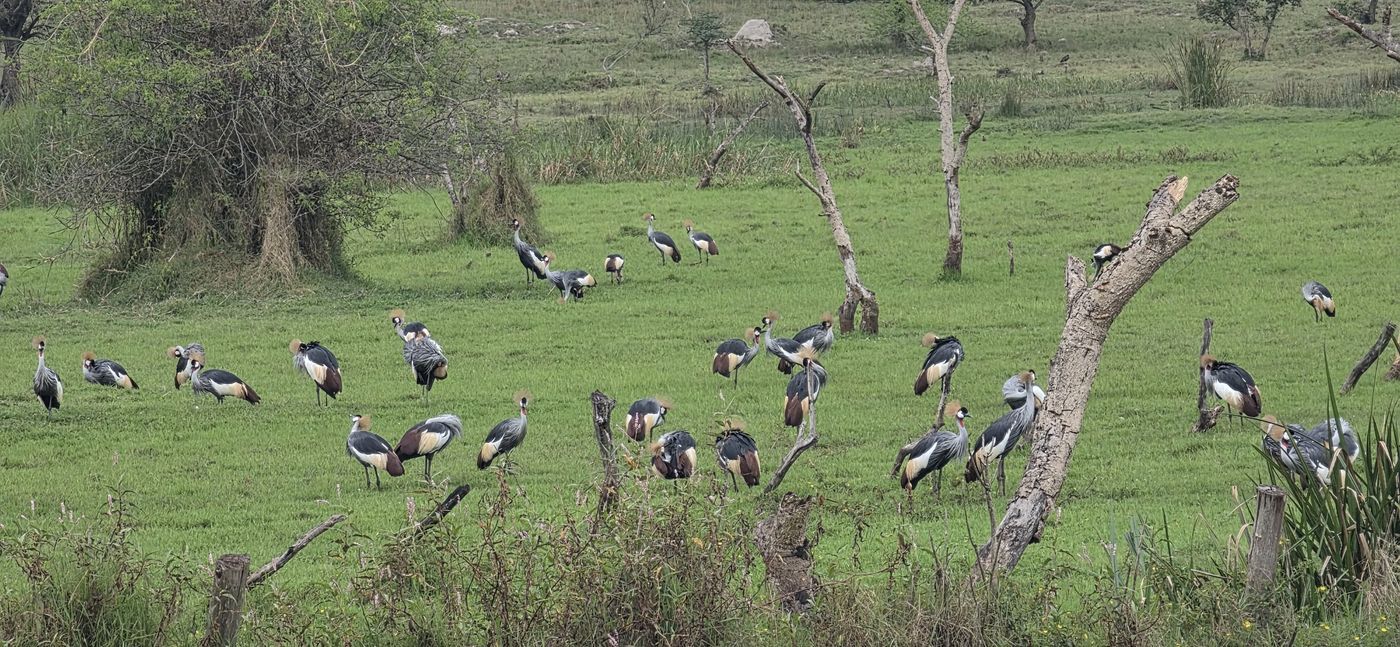
The route is long enough to show you four very different habitats: the dry plains of Kidepo, the Nile at Murchison, the forests of Kibale and Bwindi, and the lakes and savanna of Queen Elizabeth and Mburo. This is what each stop is best for.
Our guides to Murchison Falls, chimpanzee trekking in Kibale, Queen Elizabeth and Lake Mburo go deeper into each park.
The drier months, roughly June to September and December to February, are the easiest for the long road days, the unpaved roads in Karamoja and the forest walks. In Kidepo the dry months are also when the Narus Valley holds the water, so the game gathers there. Reptiles and frogs are more active in warm, damp weather, so keen herpers sometimes choose the shoulder months. Neither season is closed to travel, but unpaved roads are slower after heavy rain. Permits are limited every day, so choose your dates early; our guide to the best time to visit Uganda compares the months.
The lodges were chosen for their position, near the activity of each day. Here is a one-line note on each.
If a lodge is full for your dates, we offer a close alternative in the same area, and you are told before you pay.
Treat the points above as checked facts rather than promises, and verify them on the official portals before you fly.
We quote this itinerary for your dates. Three things drive the price: the permits, which are set by Uganda Wildlife Authority and can change on 1 January; the lodge tier you choose at each stop; and the group size, because one vehicle and one guide are shared between the travellers. The gorilla permit was US$800 in 2026, and we quote the price that is valid for your travel date. Our guide to what a Uganda safari costs explains the pieces, and our Uganda packages guide compares every route.
The quote covers each item in the left column. Items in the right column are paid separately.
Read these before you fix your dates.
Tell us your preferred dates and the size of your group. We check permits and lodge space first, then send an itemised quote.
Request This ItinerarySign in to save this safari's dates and party size to your account, so you can pick up right where you left off.
Sign in to save this itineraryBuilt from our own staff's real packing guidance for this trip's destinations, tailored to your dates and this exact itinerary above.
Four steps from your first message to your safari.
Send your dates, group size and the places you want to see. A specialist replies within 24 hours.
We shape this journey around your dates and budget and send you a quote that shows what is and is not included.
A 40% deposit confirms your booking. Where your trip needs gorilla or park permits, we buy them once your deposit has been received and confirmed.
The final balance is due 60 days before departure, unless your booking confirmation says otherwise.
Cancellations and refunds follow our booking terms, and how we protect your trip and your payment explains how your money and permits are handled. Questions first? You can contact us at any time.
.jpg)
Answered from our own real trip details above -- itinerary, inclusions, difficulty, and more. For an exact price, use "Enquire Now" below.
Some guests like a few quiet days by the sea after trekking. It is entirely optional.
Tell us your dates and group size — a destination specialist replies within 24 hours.