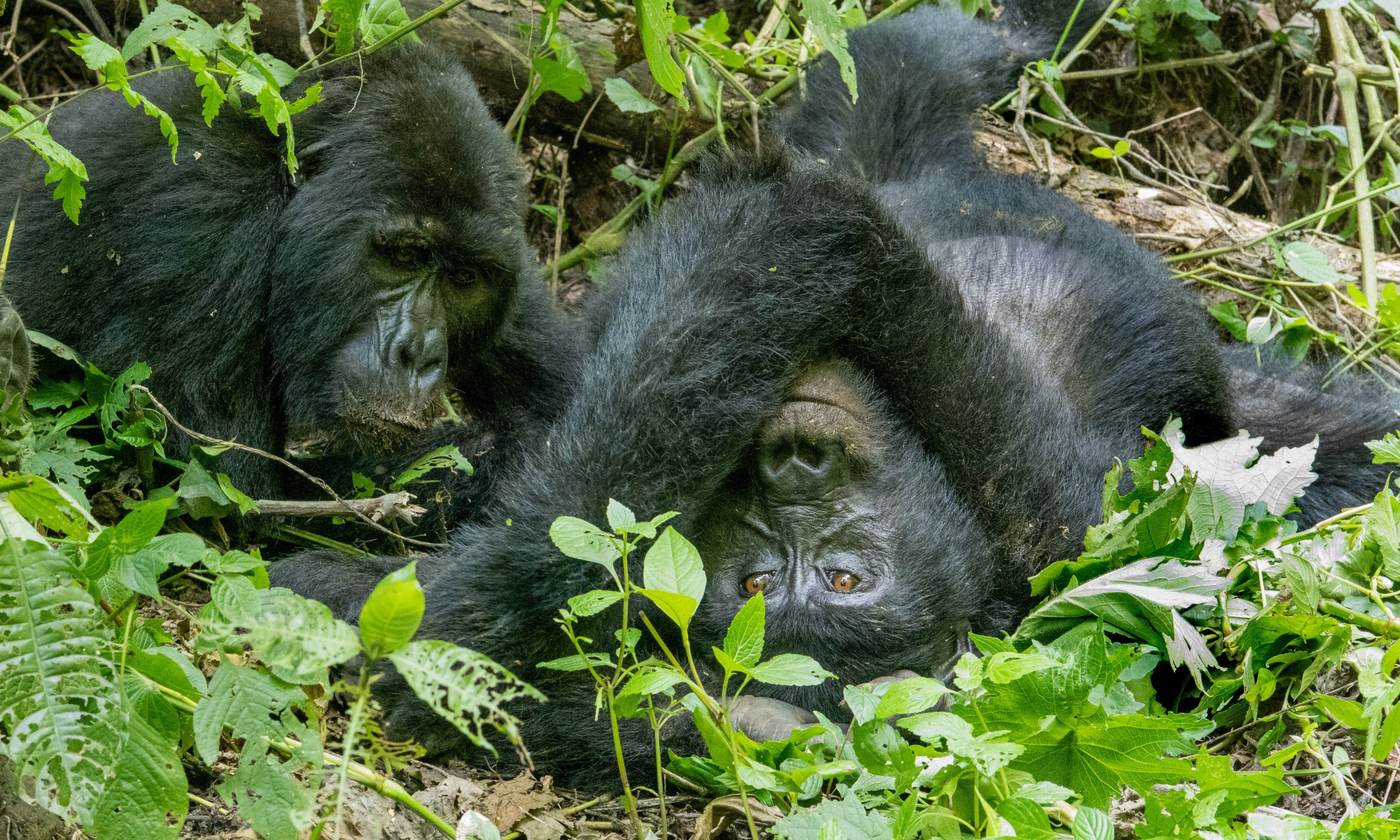
Classic Uganda Gorilla Trekking Safari
The shortest route to one gorilla trek in Bwindi. Dry-season dates fill first, so book early.
From US$3,800 per personView itinerary →

The best time to visit Uganda is June to August and December to February, the two dry seasons. Month-by-month weather, gorilla and chimp timing, permit prices and the cheapest months.
The seasons repeat each year, so the dry months below suit 2027. If you want gorillas in June to September or December to February, book your permits early.
The best time to visit Uganda is during its two dry seasons: June to August and December to February. Trails in Bwindi and Kibale are firmest then, game drives in Queen Elizabeth, Murchison Falls and Kidepo are at their easiest, and January and February are the driest months of the year. But "best" depends on what you want. Uganda sits on the equator and has no migration to chase, so gorillas and chimpanzees can be trekked every month. What changes with the calendar is how muddy the forest is, what you pay, and how early permits sell out. This guide takes it month by month and park by park, so you can match your own trip to the weather rather than picking dates because "everyone says July".
Last reviewed October 2026 by the Paramount Gorilla Expeditions Uganda team.
Go in June to August or December to February. These are Uganda's two dry seasons. Forest trails are firmer, savanna wildlife gathers near water, and rain is least likely to interrupt a trek or a game drive. January and February are the driest of all.
The rains are not a reason to stay away. March to May and September to November are wetter, and April, May and November are the low-season months: a gorilla permit costs US$600 instead of US$800, lodges are quieter, and birdwatching is excellent. The trade-off is mud, and a trek that is slower and harder work.
Gorillas and chimpanzees do not depend on the season. Both are tracked all year. If you are fit and flexible, the wetter months are good value. If this is a once-only trip and comfort matters most, choose the dry months and book early.
If you only read one part of this guide, read this table. Each row names the months that suit that goal best and gives the reason.
| If you want to… | Best months | Why |
|---|---|---|
| Trek mountain gorillas | June to August, December to February | Firmer, less slippery trails in Bwindi and Mgahinga. Gorillas are there all year, so April, May and November also work if you accept mud. |
| Track chimpanzees | Any month; dry months are easier underfoot | Kibale, Budongo and Kyambura chimpanzees are tracked all year. Rain makes the forest floor muddier, not the chimpanzees harder to find. |
| Game drives and boat safaris | December to February, June to August | Shorter grass and animals concentrated along the Kazinga Channel and the Nile. Kidepo is best in its long dry spell, broadly November to March. |
| Birdwatching | November to April | Migrant species are present alongside Uganda's residents, many of which breed in the rains. |
| Pay less | April, May, November | Low-season gorilla permits at US$600 instead of US$800, and quieter lodges. |
| Avoid crowds | March to May, October to November | The fewest visitors of the year. Early June and the first half of December are shoulder periods. |
| Photograph wildlife | December to February, June to August | Animals are easier to see and tracks are drier. March to May brings green backdrops and dramatic skies with more rain risk. |
| Hike the Rwenzoris or the Virunga volcanoes | December to February, June to August | The driest windows for mountain trails, though high ground makes its own weather in any month. |
| Combine Uganda with the Mara migration | July to October | Mara River crossings in Kenya fall in these months, and July to August is also dry in Uganda. See how to combine Uganda and Kenya. |
June to August and December to February. These are Uganda's two dry seasons, with the firmest forest trails, the easiest game drives and the lowest chance of rain. January and February are the driest months.
There is no single best month, but February is hard to beat for dry weather and wildlife viewing, and July and August are the most popular. If you want value, the best month is April, May or November.
Uganda has two. The longer rains run from March to May, and the shorter rains from September to November. April, May and November are usually the wettest months.
There are two dry seasons: December to February, and June to August. January and February are normally the driest months of the year.
Gorillas can be trekked all year. Trails are easiest in the dry months of June to August and December to February. April, May and November have lower permit prices and more mud.
April, May and November. A gorilla permit for foreign non-residents costs US$600 instead of US$800 in those months, and many lodges are quieter.
There is no bad time, but April and May are the wettest, with the muddiest trails and the slowest roads. They suit fit, flexible travellers who want a quiet park and a lower permit price.
Warm all year. Kampala averages about 26 to 29°C by day and 15 to 17°C at night in every month. The altitude of Bwindi and the Rwenzoris makes them cooler, and the north is hotter and drier.
People ask "when is the best time to go to Uganda?" as if there were one answer, the way there is for the Serengeti's migration. In Uganda there isn't, because the headline experiences are not seasonal. Mountain gorillas live in the same forests all year. Chimpanzees do not migrate. Tree-climbing lions, elephants, hippos and the shoebill are resident rather than passing through. So the question becomes a different one: what do I want the conditions to be like when I do these things?
Four things change with the calendar, and they do not always point to the same months:
Trail conditions. Rain turns the forest paths of Bwindi, Mgahinga and Kibale to mud. A gorilla trek in the dry season is a steep walk; in the rains it can be a slow, slippery, longer day.
Wildlife visibility on the savanna. In Queen Elizabeth, Murchison Falls, Kidepo and Lake Mburo, the dry seasons shorten the grass and pull animals towards water, so they are easier to find.
Price and availability. Gorilla permits, lodges and vehicles are in highest demand in the dry months. In April, May and November the permit price falls and lodges have space.
Comfort. Dry months mean less rain gear and drier roads. Wet months mean greener scenery, cleaner air and fewer people, but more waiting out showers.
Uganda straddles the equator, so temperatures barely change through the year. Kampala sits at roughly 26 to 29°C by day and 15 to 17°C by night in every month. What changes is rainfall. Most of the country follows a pattern with two wet seasons and two dry seasons: long rains from March to May, a dry spell from June to August, shorter rains from September to November, and a second dry spell from December to February.
The pattern is not the same everywhere. Altitude, lakes and latitude all bend it:
The south and west (Bwindi, Mgahinga, Queen Elizabeth, Kibale) follow the two-season rhythm most clearly. Mountain rainforest such as Bwindi can still get rain in any month, including the dry seasons, because forests create their own weather.
Around Lake Victoria (Entebbe, Kampala, Jinja) is among the wettest parts of the country, and showers can arrive at any time of year.
The north (Murchison Falls, and further north-east Kidepo) is less sharply divided into two wet seasons. Rain there tends to be more continuous over a longer stretch, roughly April to November, and the dry period is more clearly defined and hotter.
The mountains (Rwenzori, the Virunga volcanoes on the Rwanda border) are cooler and wetter than the surrounding lowlands whatever the month.
| Season | Months | Character | Gorilla permit (foreign non-resident) |
|---|---|---|---|
| Main dry season | December to February | Driest and sunniest. Best for trails, game drives and mountain hikes. Peak holiday pricing from late December. | US$800 |
| Long rains | March to May | Rain builds through March and peaks in April and May. Green, quiet, muddy. Cheapest in April and May. | US$800 in March; US$600 in April and May |
| Secondary dry season | June to August | Dry and cooler. Popular with summer-holiday travellers, so lodges and permits fill early. | US$800 |
| Short rains | September to November | Early September is often dry; rain increases through October and November. Birds are in good number as migrants arrive. | US$800 in September and October; US$600 in November |
Permit prices are what we quote as of October 2026. They are set by the Uganda Wildlife Authority and can change, so we confirm the exact figure in writing when you book.
These are long-term averages for Kampala, which is a useful reference point for the whole country. Parks differ from it: Bwindi and the Rwenzoris are cooler and wetter, Queen Elizabeth is warmer, and Kidepo and Murchison Falls are hotter and drier outside the rains.
| Month | Day | Night | Rainy days | Season | Verdict |
|---|---|---|---|---|---|
| January | 29°C | 16°C | 12 | Dry | Excellent |
| February | 29°C | 16°C | 13 | Dry | Excellent |
| March | 28°C | 17°C | 18 | Rains begin | Mixed |
| April | 28°C | 17°C | 23 | Wet, low season | Wet, best value |
| May | 27°C | 17°C | 21 | Wet, low season | Wet, best value |
| June | 27°C | 16°C | 12 | Dry | Very good |
| July | 26°C | 15°C | 11 | Dry, peak | Excellent |
| August | 27°C | 16°C | 13 | Dry, peak | Excellent |
| September | 27°C | 16°C | 15 | Transition | Good |
| October | 28°C | 16°C | 19 | Rains build | Fair |
| November | 28°C | 16°C | 20 | Wet, low season | Wet, best value |
| December | 28°C | 16°C | 15 | Dry returns | Very good |
Source: long-term climate averages for Kampala (weather2travel.com), converted from Fahrenheit and rounded. "Rainy days" counts days with some rain, which may be a short shower.
Kampala: about 29°C by day, 16°C at night, 12 rainy days
One of the two driest months of the year. Forest trails are at their firmest, grass on the savanna is short, and game gathers near water. The first fortnight carries holiday-season demand for permits and lodges, so book well ahead. After that, January settles into a quiet, bright, dependable month for gorillas, chimpanzees and game drives alike. Mornings in Bwindi are cool, so pack a fleece.
Kampala: about 29°C by day, 16°C at night, 13 rainy days
Often the best single month overall: dry, warm, with wildlife easy to find across Queen Elizabeth, Murchison Falls and Kidepo. Migrant birds are still present. It is dustier and hotter in the north towards the end of the month as the dry spell lengthens. Permits and lodges still fill early, though the pressure eases a little compared with July and August.
Kampala: about 28°C by day, 17°C at night, 18 rainy days
The long rains start to arrive. Early March is often still dry, then showers become more frequent through the month, and by the end trails can be muddy. Because the pattern varies from year to year, March is the hardest month to call. It is quieter than February, birdwatching improves, and the low-season permit discount does not yet apply. A good choice if you are flexible and want fewer visitors without committing to the full wet season.
Kampala: about 28°C by day, 17°C at night, 23 rainy days (the wettest month)
The wettest month of the year in much of the country. Gorilla trails are slippery, park tracks are slower, and heavy showers can interrupt activities. In return the landscape is lush, the parks are very quiet, lodges have space and a gorilla permit for foreign non-residents is US$600 instead of US$800. Birdwatching is excellent. April suits fit, patient travellers on a budget, who bring good rain gear and allow extra time.
Kampala: about 27°C by day, 17°C at night, 21 rainy days
Still wet, with the rains easing towards the end of the month as the June dry spell approaches. The same low-season benefits as April apply: US$600 gorilla permits, quiet parks and lodge availability. If you can only pick one of the long-rains months, many travellers find late May the most comfortable, though that is a tendency rather than a rule.
Kampala: about 27°C by day, 16°C at night, 12 rainy days
The dry season begins. Trails dry out, roads improve and visibility on game drives gets better week by week. High season is starting, so permits for July and August are already in demand. June is a sweet spot: dry conditions without the busiest crowds of the next two months. Good for combining gorilla trekking with Queen Elizabeth and Murchison Falls.
Kampala: about 26°C by day, 15°C at night, 11 rainy days (the fewest of the year)
Cooler and the fewest rainy days in Kampala, which makes it excellent for trekking and for hiking the Rwenzoris and Virunga volcanoes. It is also peak season: summer-holiday travellers fill gorilla permits and lodges, so book early. Savanna game drives can be dusty. July pairs naturally with Kenya's Mara River crossings if you are building a Uganda and Kenya trip.
Kampala: about 27°C by day, 16°C at night, 13 rainy days
Dry and busy. Conditions are very similar to July, with the same advice: reserve permits and lodges early, and expect the most popular gorilla families and lodges to be booked first. A dependable choice for first-time visitors and families with school-holiday dates.
Kampala: about 27°C by day, 16°C at night, 15 rainy days
A month of two halves. Early September is usually dry, still in the high season; later in the month the short rains begin to return. Guides disagree on whether to call September dry or wet, which is the honest answer: it depends on the year. A good compromise month if you want mostly dry conditions with slightly thinner crowds than August.
Kampala: about 28°C by day, 16°C at night, 19 rainy days
The short rains build and trails turn muddier, though there are often long dry spells between showers. Parks are quiet, and migrant birds begin to arrive. The low-season permit discount applies to November, not October, so October is a month to choose for the lack of crowds and the green scenery rather than for price.
Kampala: about 28°C by day, 16°C at night, 20 rainy days
The wettest month of the short rains. Gorilla permits drop to US$600 for foreign non-residents, lodges have space and birdwatching is excellent with migrants present. Roads and trails are at their slowest, so allow buffer days. A strong-value month before the December peak begins.
Kampala: about 28°C by day, 16°C at night, 15 rainy days
The rains ease through the month and the main dry season takes over. Early December can still be showery; by Christmas conditions are usually settled. Late December and early January are the most expensive and most booked weeks of the year after July and August, so reserve permits and lodges for that fortnight as early as you can.
Uganda's parks differ more than visitors expect: a rainforest on a mountain, a lake-and-savanna park, a river gorge, a semi-arid frontier. This is how timing changes from one to the next. Our park pages cover the places themselves: Uganda destinations.
Best months: June to August and December to February.
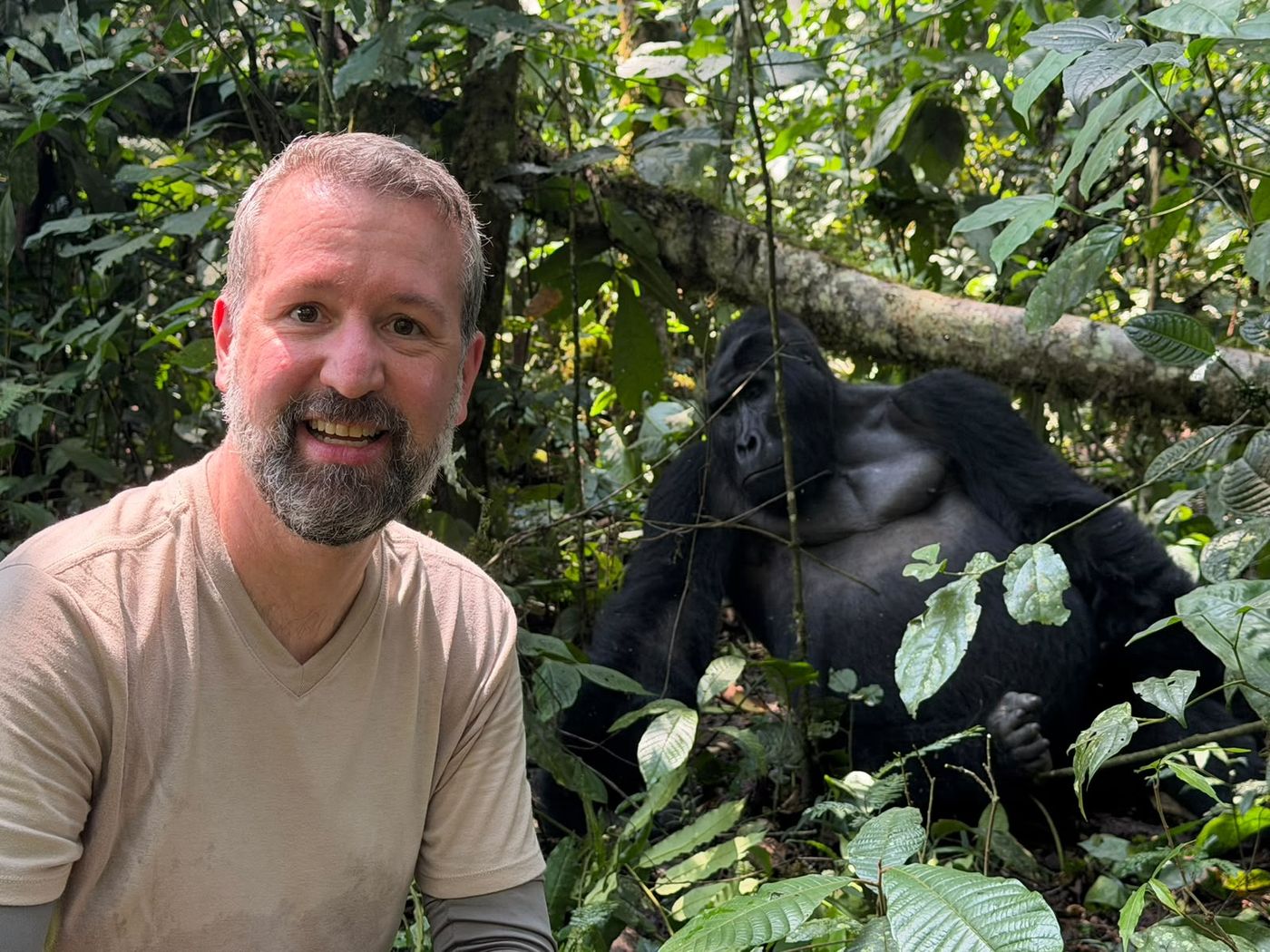
Bwindi is a mountain rainforest, at roughly 1,200 to 2,600 metres, so it can rain in any month, even in the dry seasons. The dry windows make the steep trails firmer and less slippery, and trekking easier. In the rains, treks are slower and more physical, and a porter is worth hiring. The forest is cool in the mornings and evenings all year. Gorillas do not migrate, so sightings do not depend on the season. Mgahinga, on the Rwanda and Congo border, is cooler and mistier, and its golden monkey tracking and volcano hikes are also easier when dry. Read our Bwindi sector guide and the Bwindi park page.
Best months: any month; drier months are easier underfoot.
Kibale is Uganda's main chimpanzee tracking forest, near Fort Portal. Its wettest months are April, May, October and November. Chimpanzee tracking runs all year, with consistently high sighting rates, though no sighting is guaranteed. Rain makes the forest floor muddy, but does not make the chimpanzees harder to find. The nearby Bigodi swamp is excellent for birds and monkeys. See our Kibale chimpanzee guide.
Best months: December to February and June to August.
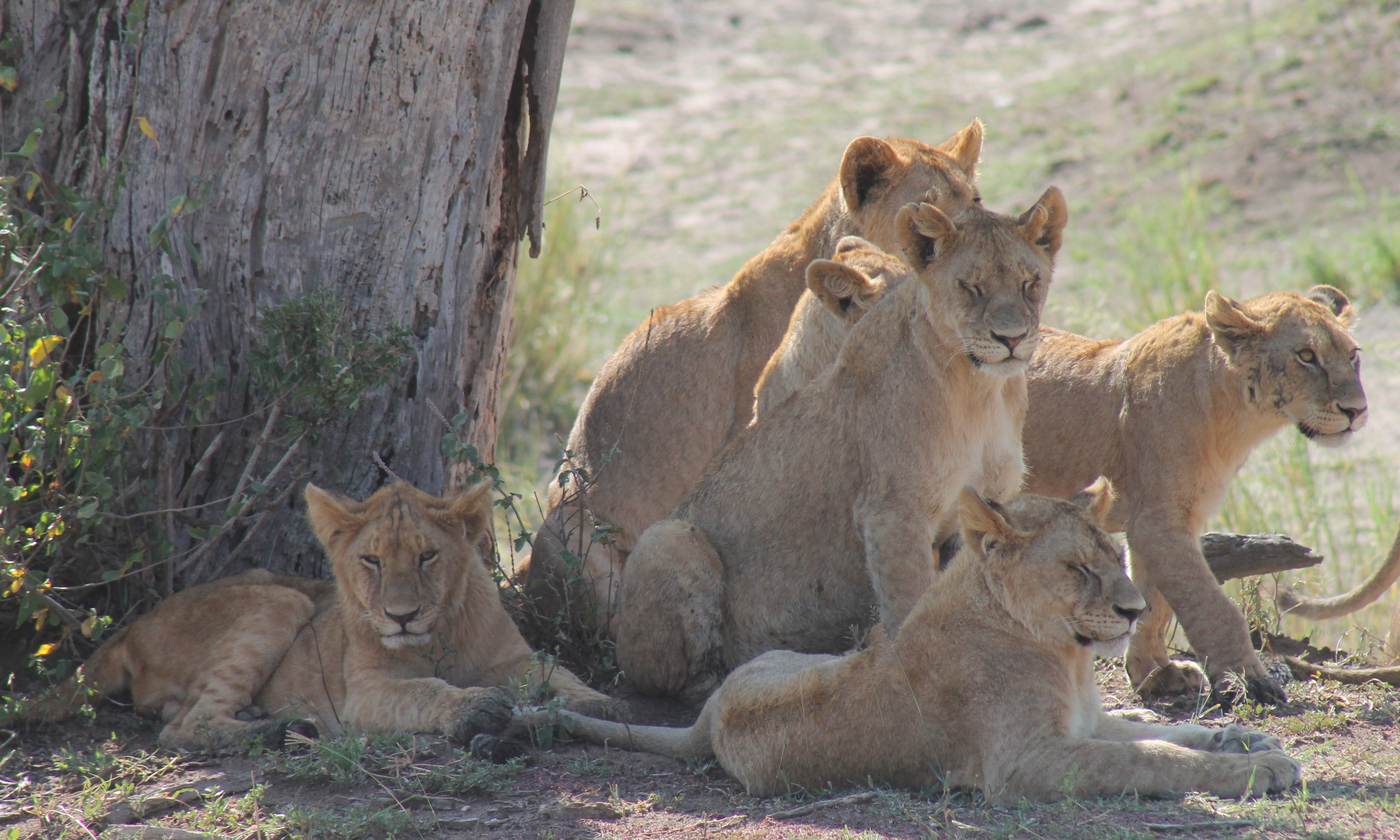
Savanna, crater lakes, the Kazinga Channel and the Ishasha sector, where lions sometimes rest in fig trees. In the dry seasons animals gather along the channel and the grass is shorter, so game drives and boat trips are at their best. The wet months turn the landscape green and the birdlife is outstanding, but the Ishasha tracks can be slow. The Kazinga Channel boat cruise runs all year, and Kyambura Gorge offers chimpanzee tracking. See tree-climbing lions and the Queen Elizabeth park page.
Best months: December to February and June to August.
The Nile squeezes through a narrow gap and drops over the falls, with game drives on the north bank and boat cruises to the base of the falls and the Nile delta. The north has a less sharply divided rainfall pattern than the south, with more continuous rain between roughly April and November. In the dry months animals gather near the river and roads are faster. Budongo Forest, on the edge of the park, offers chimpanzee tracking. See the Murchison Falls park page.
Best months: broadly November to March.
A remote, semi-arid park in the far north-east, with wide valleys and mountains, and a different rhythm to the rest of the country. It has less rain overall and a longer dry period, which is the best time for game. In its wet months, access roads and park tracks slow down, so allow extra time or fly in. See the Kidepo park page.
Best months: dry months, but good all year.
A smaller park, drier than much of the country, known for zebra, impala and eland, plus boat trips, walking and horse-riding safaris. It sits on the road between Kampala and Bwindi, so many itineraries stop here, and it works in any season.
Best months: December to February and June to August.
Multi-day treks through bogs and alpine zones. The dry windows give the best chance of clear views, but high ground makes its own weather in every month, so waterproofs and warm layers are essential whenever you go. See the Rwenzori park page.
Best months: all year; dry months are the most comfortable.
White-water rafting and boat trips on the Nile run year-round. Jinja is in the wetter Lake Victoria belt, so showers can come at any time, and the dry months of December to February and June to August are the most comfortable for being on the water.
The best time to go gorilla trekking in Uganda is the dry seasons, June to August and December to February, when the steep forest trails of Bwindi and Mgahinga are firmest and a trek is easiest on the legs. Gorillas live in the same forest all year, so you can trek in any month. If you accept a muddier day, April, May and November are cheaper.
In the dry months the paths are firmer and the climbs less slippery. The trek can still be demanding, because the forest is steep and dense, and rain can still fall. But a walk that might take under an hour on a good day, or most of a day if the gorillas have moved far, is more predictable.
In the wet months the trails are muddy and slow. Expect to use a walking stick and to hire a porter, which is a good idea in any season. You will spend the hour with the gorillas in whatever weather it is, and good rain gear makes the difference between a memorable day and a miserable one. The gorillas themselves are not harder to find in the rain.
A gorilla trekking permit for foreign non-residents is US$800 per person, and US$600 for trekking dates in April, May and November, the low-season months. Foreign residents and East African citizens pay less, and we list the figure for your category on your quote. Prices are set by the Uganda Wildlife Authority and can change, so we confirm the exact figure in writing when you book. Low-season permits are tied to a trekking date, and the rules for changing a permit date differ by permit type, so read them before you pay. For the full comparison with Rwanda, see gorilla permit costs, Uganda versus Rwanda.
Permits are limited: each habituated gorilla family can be visited by a small group of up to eight people a day. In the dry seasons, especially July to September and the weeks around Christmas and New Year, permits for the most popular sectors can run out months ahead. In the low-season months you can often arrange a permit with much shorter notice. Our guide to booking gorilla permits before they sell out explains how far ahead to plan, and how to book a gorilla permit walks through the steps.
The minimum age for gorilla trekking is 15. You spend one hour with the gorillas once you find them. Fitness matters more than the season: read how fit you need to be for gorilla trekking, and what actually happens on the trek day. The main gorilla trekking in Uganda page and our gorilla permits page have the rest.
Chimpanzee tracking in Uganda works all year. The main places are Kibale Forest (the most popular), Budongo Forest at Murchison Falls, Kyambura Gorge in Queen Elizabeth and Kalinzu. The dry months are easier underfoot; the wet months are muddier but not meaningfully worse for sightings. Success rates are consistently high, although no sighting is ever guaranteed. The minimum age for chimpanzee tracking is 12.
A Kibale chimpanzee permit costs US$250 per person for foreign non-residents in 2026, and the new tariff is reported to raise this to US$300 from 1 January 2027. Ask us for the exact figure for your travel date. Chimpanzee permits are generally easier to secure than gorilla permits, so plan them after you have secured your gorilla trek. See our Kibale chimpanzee trekking guide, or gorilla and chimpanzee trekking in Uganda for both together.
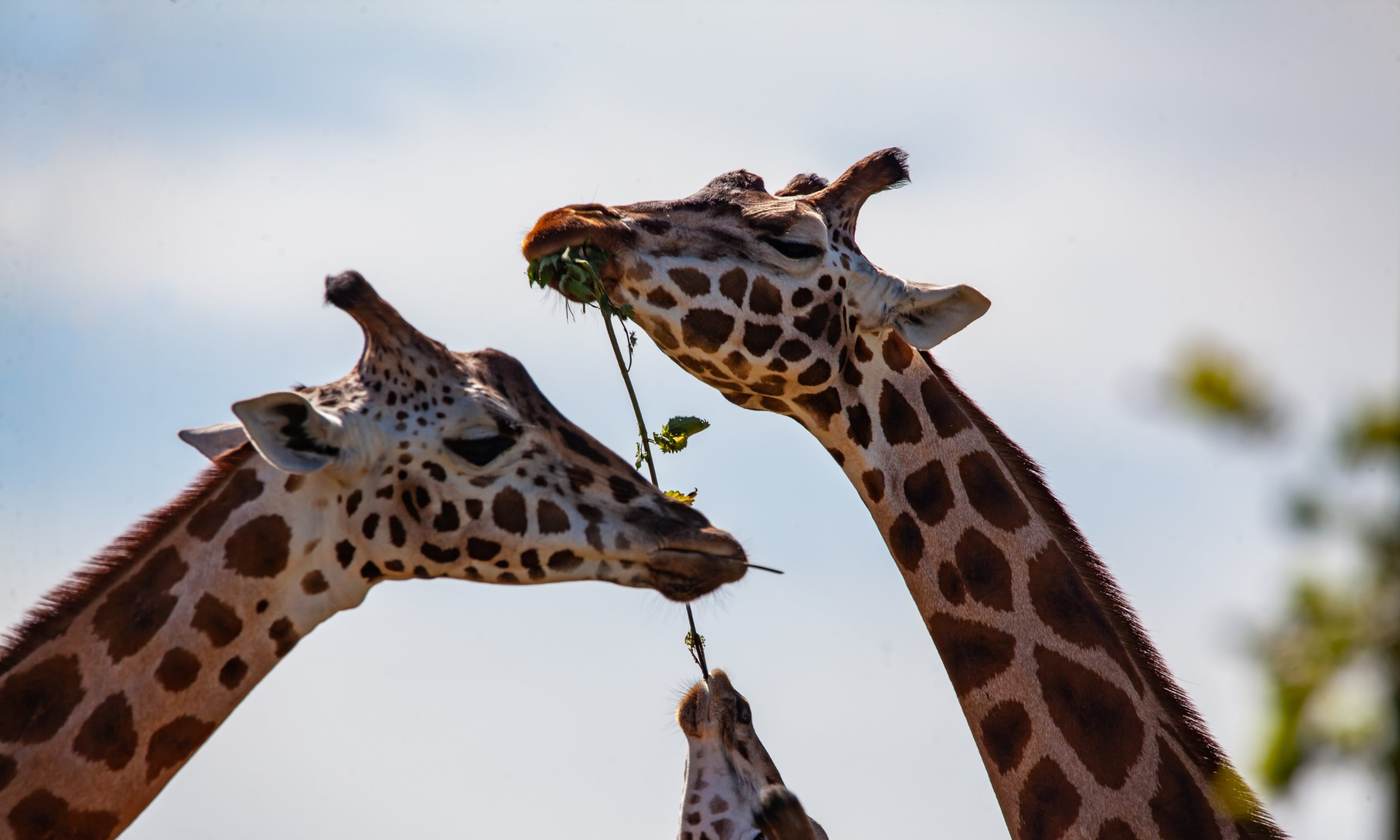
Game drives. The dry seasons are the most productive. Grass is shorter, animals visit rivers and waterholes more often, and tracks are quicker. That is when to plan Queen Elizabeth, Murchison Falls, Kidepo and Lake Mburo for the best chance at elephants, lions, buffalo, giraffes and the rest. The savanna parks still deliver in the rains, only with taller grass and slower roads.
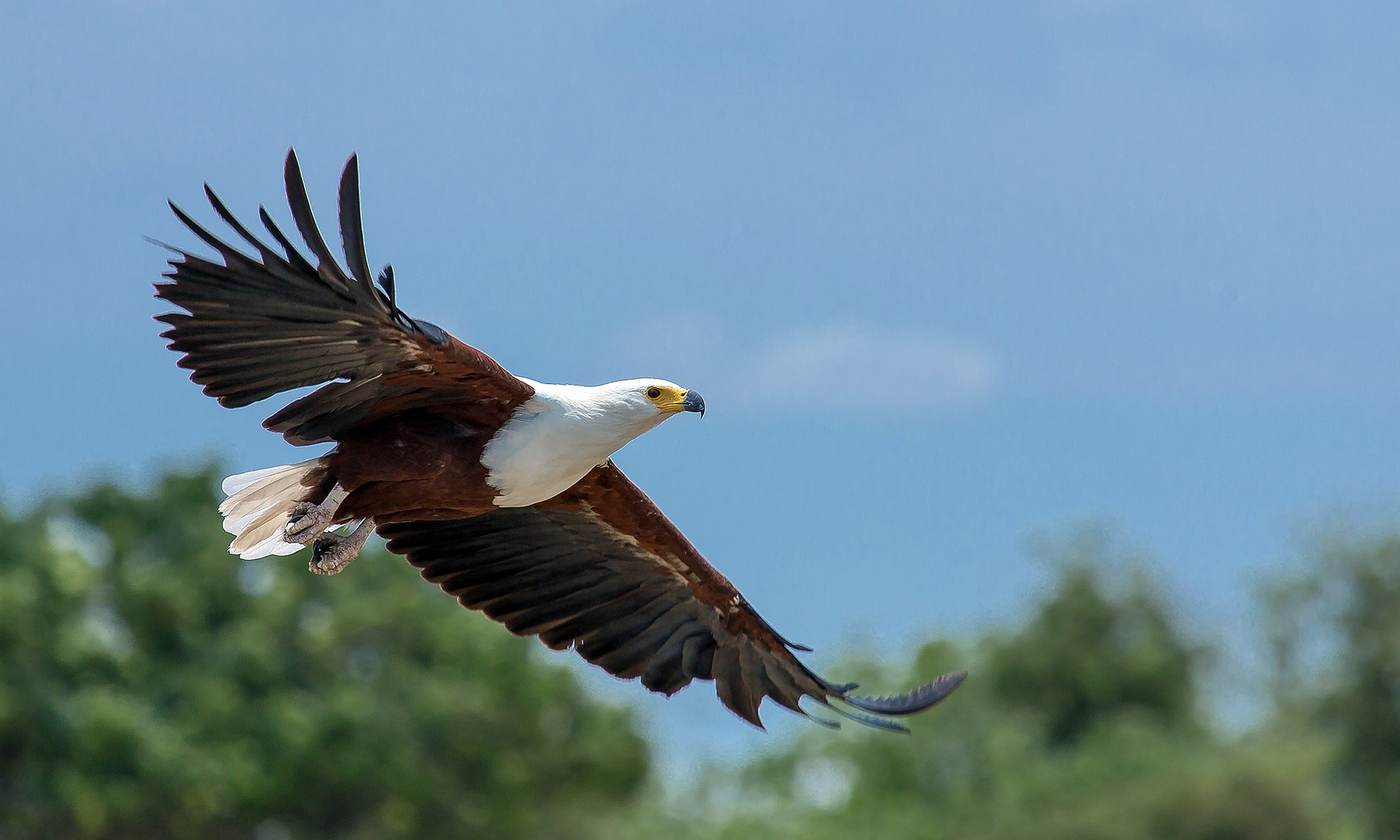
Boat trips. The Kazinga Channel cruise in Queen Elizabeth and the Nile cruise at Murchison Falls run all year, and hippos, crocodiles, elephants and birds are visible in any season. The shoebill, one of Africa's most sought-after birds, can be looked for in the Nile delta at Murchison Falls and at Mabamba Swamp near Entebbe, and the drier months often make it easier to find.
Birdwatching. Uganda has more than 1,000 recorded bird species. November to April is the strongest period, when migrants from Europe and Asia join the resident birds, and many residents breed in the rains. For a wildlife-and-birds itinerary see birding in East Africa.
| Period | Months | Demand | Gorilla permit (foreign non-resident) |
|---|---|---|---|
| Peak | July to September; late December to early January | Highest. Permits and lodges fill early. | US$800 |
| Shoulder | February, March, June, October, early December | Moderate, with good availability if you book a few months ahead. | US$800 |
| Low | April, May, November | Lowest. Many lodges have space and quieter rates. | US$600 |
The permit discount is fixed by the Uganda Wildlife Authority. Lodge rates are set by each lodge and are not guaranteed to fall in the low months, so ask us for the actual rate for your dates. For the full picture of what a trip costs, see what an East Africa safari really costs and why the green season is good value.
June to August and December to February, with January and February the driest. Reserve early.
April, May and November. You get the US$600 permit rate and the most lodge availability. Bring serious rain gear.
March to May and October to November. Early June and the first part of December are also quieter than the peak.
November to April, with migrants and breeding residents together.
December to February and June to August for wildlife visibility on the savanna. The rainy months offer green landscapes and dramatic skies, with more weather risk.
The dry seasons. Easier conditions mean fewer surprises. Our first-time safari planning guide covers the rest.
January and February for the most reliable weather, or June for dry conditions with a quieter feel. See the Uganda destination page for lodge ideas.
The dry seasons are easiest, and school holidays fall in July to August and December to January, which are peak months. Gorilla trekking has a minimum age of 15, so families with younger children often focus on chimpanzee tracking, boat trips and game drives. Read the best age for a family safari.
Trekking. Treks still run in the rain. Expect slower going and more effort. Walking poles, waterproof gaiters and a rain jacket matter far more than in the dry months.
Roads. Rural roads, such as those to Kidepo, Ishasha and some forest lodges, can be slow after heavy rain. Build buffer days into any itinerary that crosses the country in the rains.
Game drives. Drives go ahead in light rain. Grass is taller, so animals can be harder to spot, though there are fewer other vehicles.
Flights. Internal flights are less affected than roads, which is one reason to consider flying into Kidepo or Bwindi during the wettest months.
Health. Mosquitoes increase with the rains, so antimalarial advice matters in every season. Read malaria, yellow fever and vaccinations before you go.
Seasonal dates in this guide are averages, and in recent years the rains have not always followed them. The long rains may start late or linger into June, the short rains may arrive early or break into short, intense bursts, and a "dry" month can bring a heavy week. Treat the calendar as a guide to probability rather than a guarantee, build in flexibility where you can, and choose lodges and routes that cope with a wet spell. We adjust itineraries to the conditions as the dates approach.
Always: a lightweight waterproof jacket, long trousers and sleeves for forest treks, sturdy waterproof boots with grip, gloves for gripping vegetation, a warm layer for cool mornings, insect repellent and a hat.
In the dry months: add a scarf or buff for dusty game drives and sunscreen.
In the rains: add waterproof trousers or gaiters, a dry bag for cameras and electronics, and a spare pair of socks. Our full East Africa safari packing list covers everything else.
Uganda's rainy and dry seasons are similar to Rwanda's, so a gorilla trip to both works best in the same dry months. Kenya and Tanzania follow different calendars because of the Great Migration: the Mara River crossings fall between roughly July and October, which overlaps Uganda's July to August dry season. Planning two countries means finding months that suit both. See the best time to visit Kenya and the best time to visit Tanzania, and how to combine Uganda and Kenya. For visas and entry rules, see visa requirements for each country.
Tell us your dates, your priorities and your budget, and a Uganda specialist will suggest the right months, parks and permit plan. A reply usually comes within 24 hours.
These itineraries put this guide into practice. Each shows the day-by-day route, where you stay, what is included and a price, and each can be moved to the season you choose.
The shortest route to one gorilla trek in Bwindi. Dry-season dates fill first, so book early.
A gorilla trek with white-water rafting and a sunset Nile cruise. Dry months are the most comfortable on the water.
Gorillas in Bwindi and chimpanzees in Kibale. Chimp tracking works all year, so the trek decides the dates.
Chimpanzee tracking, boat trips and easy game drives with no gorilla trek, well suited to families in any season.
Gorillas, big game and the Nile falls in one circuit. December to February and June to August suit the savannas best.
The best of Uganda in ten days, from forests and primates to savanna wildlife.
Over 1,000 recorded bird species with gorilla trekking. November to April brings the migrants.
Bwindi gorillas and the Maasai Mara, timed for the July to October crossings.
The best months are different in each country. This guide shows how to line them up on one trip.
Keep planning with our Classic Uganda Gorilla Trekking Safari and Uganda Birding & Gorilla Safari. Gorilla and park permits are issued by the Uganda Wildlife Authority, and the Uganda Tourism Board publishes official visitor information. We confirm the current fees for your dates in every quote.
Planning to ride? See the best time for a cycling safari in Uganda.
Deciding between Uganda and Kenya? See Uganda vs Kenya safari.
Planning around the rains for Bwindi's long walk? Read our Buhoma to Nkuringo trek guide.
Planning around the rains for forest birds? Read our birding in Bwindi guide.
April, May and November carry a lower gorilla permit price: see our Uganda gorilla permit discount guide.
Choosing months for a route? See our Uganda safari itinerary guide.
For the best months for the shoebill, see our shoebill and Mabamba Swamp guide.
Tell us your dates and interests — a destination specialist replies within 24 hours.
Start Planning