
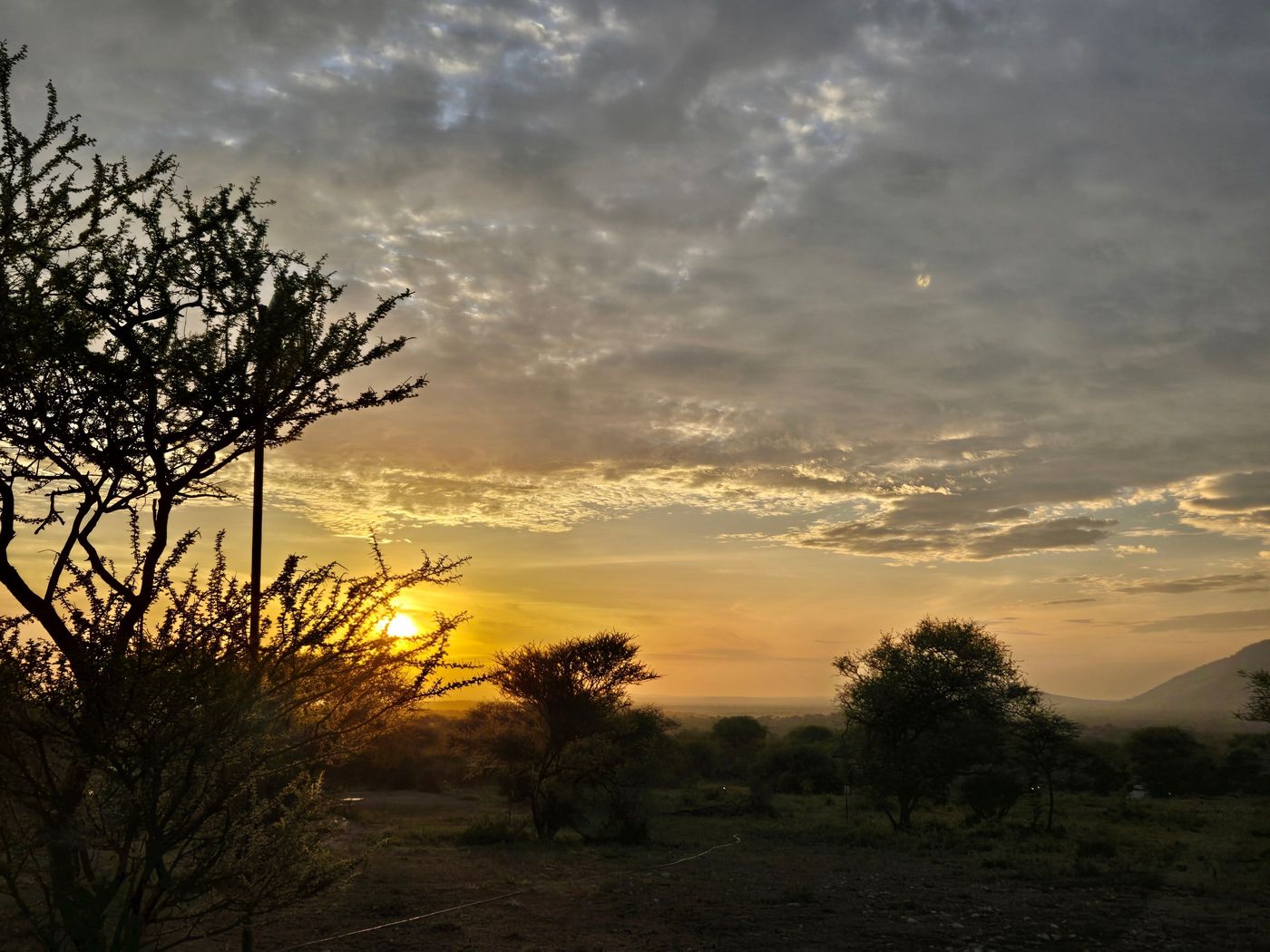
Birdwatching in East Africa works so well because four countries, Uganda, Rwanda, Kenya and Tanzania, hold forest, swamp, savanna, rift lakes and mountain habitat within a few hours of each other by air. This guide covers the best parks and regions for birding, herping and wildlife photography, and how to combine all three in one private trip.
Quick Answer
If birds come first, start with Uganda: Mabamba Swamp near Entebbe for shoebill, Murchison Falls and Queen Elizabeth for savanna and water birds, and Bwindi and Mgahinga for Albertine Rift endemics. Kenya adds Kakamega Forest and the Rift Valley lakes. Tanzania and Rwanda (Nyungwe) fill out a longer route.
For photography, the Masai Mara and Serengeti lead for big cats and migration scenes, Amboseli for elephants, and Uganda and Rwanda for gorillas and chimpanzees. Herping is the most specialist of the three. Kenya, Tanzania's mountain ranges and Uganda's forests all hold interest, but plan on a dedicated herpetology guide.
The species counts here are approximate and come from birding sources: Kenya about 1,058 species, Tanzania about 1,074, and Uganda over 1,000, with 500+ species recorded on a long multi-park tour. We are not a specialist birding or herping outfitter. What we do is build private itineraries around these interests and handle permits, lodges and logistics on the ground.
Regions Compared by Interest
| Region | Birding | Herping | Photography |
|---|---|---|---|
| Mabamba Swamp, Uganda | Shoebill, wetland birds | Limited | Boat-based bird shots |
| Murchison Falls and Budongo, Uganda | Water, savanna and forest birds | Forest potential | Wildlife, river scenes |
| Queen Elizabeth, Uganda | Wide mix of habitats | Specialist guide advised | Wildlife, landscapes |
| Bwindi and Mgahinga, Uganda | Albertine Rift endemics | Mountain forest interest | Gorillas |
| Nyungwe, Rwanda | Montane forest birds | Forest interest | Chimpanzees, primates |
| Kakamega Forest, Kenya | Forest specialties | Strong reptile and amphibian interest | Forest scenes |
| Rift Valley lakes, Kenya | Lake and flamingo-type birdlife | Limited | Landscape and birds |
| Masai Mara, Kenya | Raptors, savanna birds | Limited | Big cats, migration |
| Serengeti and Ngorongoro, Tanzania | Savanna and crater birds | Limited | Big cats, crater scenes |
| Eastern Arc mountains, Tanzania | Montane birds | Chameleon diversity | Mountain forest |
Treat the table as a starting point. Which cells matter most depends on how you rank the three interests, and that ranking shapes the route.
Birdwatching in East Africa: Best Places by Country
Uganda
Uganda fits more habitat variety into a short drive than almost any country on the continent, which is why it anchors most birding itineraries.
- Mabamba Swamp (near Entebbe): the standard stop for shoebill, reached by canoe through papyrus channels. It sits close to the airport, so it works on an arrival or departure day. Sightings are never guaranteed, and our team plans the timing around your flights.
- Murchison Falls: river, woodland and savanna in one park. Boat trips along the Victoria Nile give close views of water birds from a stable platform.
- Budongo Forest: a different set of birds again, with forest species you will not find on the savanna circuits.
- Queen Elizabeth National Park: crater lakes, channels, grassland and forest edge, which is why it appears on nearly every long Uganda bird list.
- Lake Mburo: acacia woodland and lake edge, and an easy stop between Kampala and the southwest.
- Bwindi and Mgahinga: the places to look for Albertine Rift endemics, birds restricted to the montane forests of this rift. Bwindi pairs naturally with gorilla trekking.
Local expert tip: if you are trekking gorillas in Bwindi, add a full extra day on forest trails with a bird guide. Gorilla treks leave little time for birding and a lot of time walking, so the second day is where your list grows.
Rwanda
Nyungwe Forest is the main birding draw. It is a large montane forest with species overlap with Uganda's Albertine Rift sites. Rwanda works well as a short add-on to a gorilla itinerary, since the transfer between the two countries is manageable and the permit logistics can be built into a single plan.
Kenya
- Kakamega Forest: Kenya's remnant of the great equatorial forest, holding species that link it more to Central Africa than to the savanna parks. It is also the region's best-known reptile and amphibian area.
- Rift Valley lakes: shallow lakes that draw large numbers of waterbirds. Water levels and conditions change from year to year, so we check the current picture before locking in lake days.
- Masai Mara: strong for raptors and savanna birds alongside the big-cat focus.
Tanzania
The Serengeti and Ngorongoro Crater offer open-country birding with excellent visibility, and the country's mountain forests reward anyone willing to go beyond the standard circuit. For travelers with a few weeks, pairing Tanzania with Uganda gives the widest set of habitats in one trip.
Herping in East Africa: An Honest Guide
Herping, the search for reptiles and amphibians, is a niche and specialist interest, so it helps to be direct about what that means for planning.
- Kenya has a notable diversity of reptiles and amphibians across its forest, savanna and coastal zones. Kakamega Forest is the usual forest anchor.
- Tanzania is known for its chameleon diversity, and its mountain ranges, including the Eastern Arc, hold forest species found nowhere else.
- Uganda offers mountain and forest areas, including Bwindi, Mgahinga and Budongo, where amphibians and forest reptiles are part of the picture.
Finding these animals usually means night walks, leaf-litter searching and local knowledge, not a daytime game drive. That is why specialist herping normally needs a dedicated herpetology guide. We do not claim herpetology credentials, our guides' species expertise, or guaranteed sightings. What we can do is plan the route, book lodges close to the right habitat, arrange transport and permits, and coordinate with a specialist guide you choose or one we help you source.
If herping is your top priority, tell us early. It changes which lodges we pick (forest-edge over open savanna), how long we stay in each place, and how much night-time access you need.
Wildlife Photography: Where the Frames Are
- Masai Mara and Serengeti: big cats and, in the right season, migration scenes. Our migration timing guide and best-time guide explain how the calendar shapes the shots. Crossings cannot be guaranteed, so plan a few days in each area rather than a single dash.
- Amboseli: elephants against open skies, a classic for wide compositions.
- Ngorongoro Crater: dense wildlife within a contained caldera, good for efficient game drives and dramatic light on the rim.
- Gorillas and chimpanzees in Uganda and Rwanda: the hardest light you will shoot in. The forest canopy means low light, flash is not allowed, and time with the gorillas is limited. Bring a fast lens, get comfortable raising your ISO, and spend your time watching instead of fiddling with settings. Gorilla permits are 800 USD per trek in high season and 600 USD in low season.
- Zanzibar and the Seychelles: a beach and seascape finish after the bush. Our islands guide covers how to pair them with a safari.
Combining All Three in One Private Itinerary
A single trip can serve a birder, a herper and a photographer, provided you accept that the interests pull in slightly different directions. Birders want early starts and varied habitat. Herpers want forest edges and night access. Photographers want good light and time at each sighting.
A sensible approach is to anchor the trip in two or three bases and spend several nights in each, rather than moving every day. For example:
- Entebbe and Mabamba for shoebill on arrival.
- Murchison Falls or Queen Elizabeth for a mix of water, savanna and forest birds, with game drives.
- Bwindi for gorilla trekking and Albertine Rift birds.
- Kakamega or the Masai Mara for forest reptiles and amphibians, or for big-cat photography.
- An island finish.
Our multi-country guide shows how these legs fit together, and the Kenya vs Tanzania comparison helps if you are deciding which savanna side to add. Because every trip is private and tailor-made, we can slow down where you want more time and cut what does not serve your list.
Kit and Preparation
General guidance, adjusted once we know your itinerary:
- Binoculars: a good pair matters more than anything else for birding. Many travelers favor 8x42 for forest and savanna alike.
- Camera: a long telephoto for birds and big cats, a fast lens for forest primates, and a wide lens for landscapes.
- Lighting: a headtorch for night walks, with a red-light mode if possible.
- Field guides or apps: one for birds and, if you are herping, a regional reptile and amphibian guide.
- Clothing: neutral colors, layers for cool mornings, and waterproofs. Closed boots for forest trails.
- Fitness: gorilla and forest treks cover uneven, sometimes steep ground. Be honest about your pace so we can plan trails accordingly.
- Extras: dust protection for camera gear, spare batteries and cards, and a dry bag for boat days.
Best Seasons, in General Terms
Patterns vary by year and by region, so treat these as general rather than fixed.
- Dry seasons usually make roads easier, vegetation thinner and wildlife easier to find around water. They tend to suit photography and gorilla trekking logistics.
- Wetter periods often bring greener scenery, fewer visitors and, for many birders, breeding plumage and a mix of resident and migrant species. Trails can be muddier.
- Migration timing in the Serengeti and Masai Mara shifts with rain, and we cannot promise crossings on any given date.
Our best-time guide goes month by month. Gorilla permits cost 800 USD per trek in high season and 600 USD in low season, which is one reason travelers on a tighter budget look at the low season.
What It Costs
We quote per person and by itinerary, because nature-focused trips vary widely in length and style. For reference, camps in the Great Migration areas run from about 450 USD (comfort) to 1,800+ USD (top luxury) per person per night. Gorilla permits are 800 USD per trek in high season and 600 USD in low season. Your written quotation shows the exact figures for your dates.
Plan Your Nature-Focused Trip
If birds, reptiles and photography are what you travel for, the best results come from an itinerary built around them, not a standard circuit with a few add-ons. Tell us your priorities, your pace and your budget, and we will shape the route, handle the permits and lodges, and guide you on the ground.
Design My Safari: reach us on WhatsApp or by phone at +256 744 269 228, or start at paramountgorilla.com.