
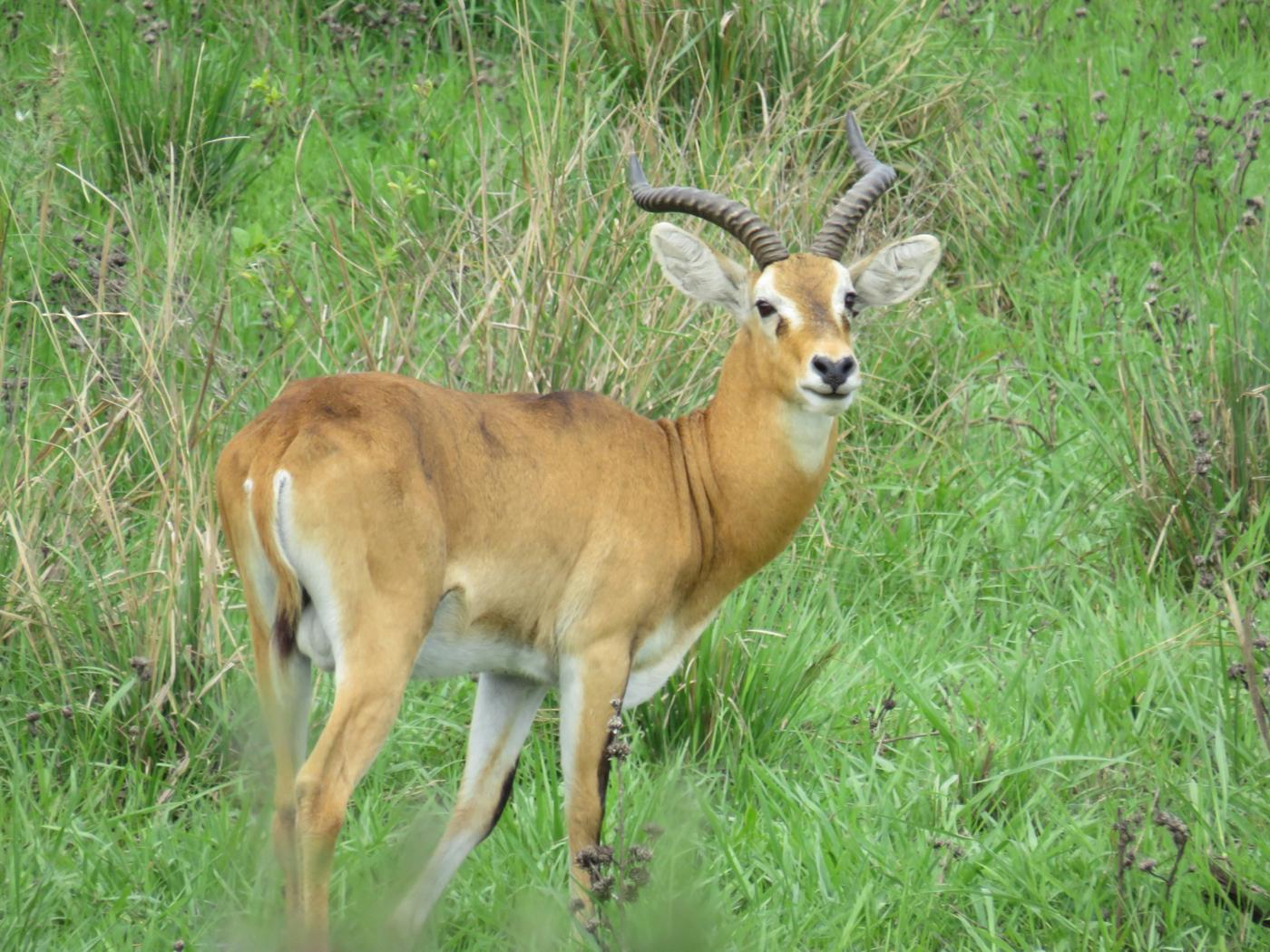
A photography safari in East Africa is a safari planned around the camera: a vehicle with few passengers and a window or roof for each, long stays at sightings instead of a checklist of species, early and late drives for the best light, and a guide who knows how to position the vehicle. This guide is written on 14 November 2026. It explains what makes a photographic safari different from a standard one, where to go and when, what gear to take, which techniques matter, what the rules are on off-road driving and drones, and how to choose an operator, using seven public pages from safari companies and photographers, our own Kenya photographic tour page and our conservancy guide, and it says plainly where the sources disagree. People search for it as photography safari, photographic safari East Africa, safari photography tips, best place for wildlife photography in Africa, Masai Mara photography safari and safari camera gear.
Quick answer
Choose a vehicle shared by no more than three or four photographers, go to a place where the rules let your guide position the vehicle (the Mara conservancies are the clearest case), take a long lens and a bean bag, and plan the days around sunrise and sunset. The sources agree on the vehicle and the long stays at sightings. They disagree on lens sizes, tripods and the best months, so treat their lists as starting points.
Every photographic-safari page we read is operator marketing, so claims about vehicles and access are unverified until your operator confirms them in writing. Our Kenya photographic big cat safari is one example, and our photographic safari across Uganda, Kenya, Tanzania and Zanzibar is another. Our East Africa safari packing list covers everything that is not a camera.
Photography safaris at a glance
| Question | Short answer |
|---|---|
| What is different? | Fewer people per vehicle, longer at sightings, early starts, a guide who understands light |
| Vehicle | Three people or fewer per vehicle at the specialist end; four on our Kenya tour; a window or roof hatch for each |
| Best places | Masai Mara and its conservancies, Serengeti, Ngorongoro, Amboseli, Samburu, Tarangire |
| Best months | Sources disagree: June to October, September to December, or a green season for fewer vehicles |
| Lens | A 100-400 mm or 150-600 mm zoom is the most common recommendation |
| Support | A bean bag; tripods are impractical in a vehicle according to one source |
| Drones | Prohibited in most national parks; ask before you pack one |
| Cost | Higher than a standard safari because vehicles carry fewer people |
Chapter 01: What makes a safari a photography safari?
One safari company describes its photo vehicles as for three people only, with bean bags, foam supports and charging ports. A guide company describes four differences from a standard trip: extended time at sightings, vehicles built for cameras, groups of four to six and daily coaching with editing sessions. A third describes a specialist vehicle with three swivel seats, drop-down sides and a pop-off roof, and adds "depending on the property". Pop-top roofs and a window seat for every guest are the other features the sources name, and one says a vehicle capped at six people gives every guest a window seat.
Two rules limit these features. One source says drop-down sides may not be lowered at big-game sightings, because of park rules and guest safety. Our own Kenya tour page says each vehicle has bean-bag supports and is capped at four guests, and it does not state the seat count or a pop-top roof, so we do not claim them. Ask your operator for the vehicle type, the number of seats and the maximum number of guests in writing. Our personalized safari experience guide and private versus group safari guide explain how vehicle sharing affects cost and freedom.
Chapter 02: Where are the best places for wildlife photography?
Masai Mara and its conservancies. One photographer's page says the Mara's smaller size makes predator sightings feel more frequent, and that the hills and acacias give layered scenes. The river crossings are the famous subject, and our Masai Mara guide and Mara conservancies migration guide explain them. Our Kenya luxury conservancy safaris guide explains why conservancies suit photographers.
Serengeti. One source places the southern Serengeti calving season between January and March, and another says Ndutu calving is January to March. Our Serengeti guide and Serengeti calving season guide cover it.
Ngorongoro and Tarangire. One source says the crater walls give a dramatic frame and the crater holds a dense Big Five population. The same source says Tarangire is best for elephant herds and baobabs from July to October. See our Ngorongoro Crater guide and Tarangire guide.
Amboseli and Samburu. Only one source covers Amboseli for photography, naming a lodge with two photographic hides, and one lodge in Samburu has an eye-level waterhole hide. Our Amboseli guide and Samburu guide cover the parks.
Primates in Uganda and Rwanda. The sources we read say almost nothing about primate photography, so we wrote our own gorilla photography guide. One Rwandan lodge is said to provide pre-set cameras for gorilla treks. Our Uganda national parks guide covers the forest parks.
Chapter 03: When is the best time to go?
The sources disagree. One favours late September to December for fewer crowds and calls January and February good, with June to October as the migration window. Another calls June to October the default and the green season from November to March "the contrarian play". A third gives the dry season as May to mid-November and the green season as November to April. A photographer's comparison gives July to October for Mara river crossings and January to March for Serengeti calving.
Our reading: the dry months give the clearest views and the densest game around water, and the green months give richer skies, softer light and fewer vehicles. Our best time to visit Kenya guide, best time to visit Tanzania guide, green season safari value guide and great migration by month guide give the detail.
Chapter 04: How does light shape your day?
One source gives the Tanzanian golden hours as roughly 6:00 to 7:30 in the morning and 4:30 to 6:30 in the evening and calls midday light harsh and overhead. Another says the first ninety minutes after sunrise are the best time in the field. Our rule: be at your first sighting at first light, stay through the soft light, rest in the middle of the day and go out again for the last two hours.
Park gate times and night-driving rules are not stated on any page we read, so we do not quote them. Our conservancy guide says night drives, off-road driving and walking safaris are generally prohibited or heavily restricted in government reserves and allowed in conservancies, and our Kenya tour page says Naboisho and Mara North use red-filtered spotlights where permitted. Ask your operator which rules apply where you will be. Our night drives and walking safaris guide explains the difference.
Chapter 05: What gear should you take?
Lenses. Recommendations vary: 18-200 mm as a minimum (one source), 100-400 mm or 150-600 mm with a second body carrying 24-70 mm or 70-200 mm (another), 400-600 mm plus 70-200 mm and 16-35 mm (a third) and 200-500 mm or 150-600 mm (our Kenya tour page). A long zoom plus one wide lens covers most needs. Our Kenya tour page says long lenses are not included in camera rental, so you bring your own.
Bodies. One source says one body is enough for most people, while two others recommend two, so you do not change lenses in the dust.
Support. One source says bring an empty zippered bean bag and fill it with rice or sand in camp. Another says tripods are impractical in vehicles. A third says a tripod is useful after dark, and a fourth says tripods are seldom used on safari. We say: a bean bag first, a monopod if you like, a tripod only for camp or night work.
Power and storage. Two or more spare batteries, extra cards and a portable drive for nightly backups appear in three sources.
Protection. A blower, microfibre cloths, ziplock bags, dust covers and a rain cover for the green season.
Weight. One source says many light-aircraft sectors cap soft bags at 15 to 20 kg, camera gear included. Our safari luggage weight limits guide explains how to carry long lenses within the limit.
Chapter 06: Which techniques matter most?
One source gives starting shutter speeds: 1/500 second or faster for stationary animals, 1/1000 for walking, 1/1600 or faster for running and 1/2000 or faster for birds in flight. The same source recommends burst mode, back-button focus, RAW files, sharp eyes, eye-level shots and engine-off sightings. Another source says to put the sun behind you where you can, and our Kenya tour page describes patient positioning for a clean, uncluttered background and mentions panning for a moving pride without giving settings. Our gorilla photography guide covers low light under forest canopy, and our cheetahs guide, leopards guide and African wild dogs guide say where to find the subjects photographers ask for most.
Chapter 07: What are the rules on off-road driving and drones?
Our Kenya tour page says off-road driving is available in the Naboisho and Mara North conservancies and is prohibited inside the national reserve. Our conservancy guide gives the same general picture, and no other source we read confirmed it, so ask your operator which rules apply to your dates. On drones, one source says they are prohibited in most national parks and strongly discouraged elsewhere, and another says they are prohibited in all Tanzanian national parks without pre-approved permits that are rarely granted to tourists. Leave the drone at home unless your operator confirms a permit in writing.
Chapter 08: What does it cost, and how do you choose an operator?
Prices differ by an order of magnitude. One 2026 article gives group photography at US$1,200 to US$3,500 per day and specialist dedicated trips at US$3,500 to US$8,000 per person, and another lists a guide at US$400 to US$700 per day in Zambia. These are listed prices and not directly comparable with our tour page, which includes flights and the vehicle. We do not quote a current price here, and our cost of an East Africa safari guide explains how the pieces add up.
To choose an operator, ask for the vehicle layout and the maximum guests, whether the guide has photography experience, how long you stay at sightings and which areas allow off-road driving. One source suggests asking about the guide's qualifications. Our questions to ask a safari operator before booking gives the general list.
Chapter 09: Where do the sources disagree?
We read seven pages and one failed to load. They disagree on the best months, on lens sizes, on whether to carry a tripod and on how many cameras you need. The size of the group varies from three to six. Only our own tour page states the Mara reserve's off-road prohibition. No page states park gate hours or park-level night-driving rules. Several prices are listed without a year. We have attributed each figure and left out what we could not confirm.
Tell us your gear, subjects and dates, and we will reply within 24 hours with a written plan, the vehicle and conservancy rules and a quotation that shows every line separately.
Request a free quotation