
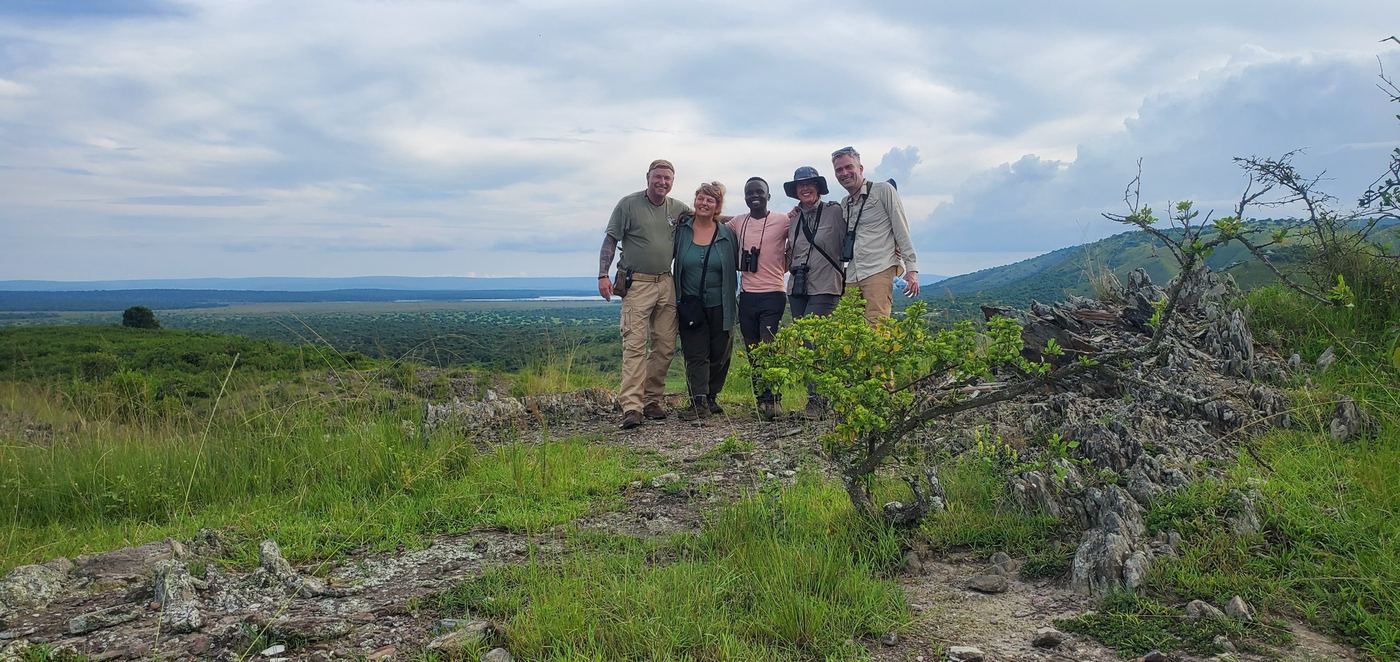
A personalized safari is a trip where the big decisions are made around you: how fast you move, where you sleep, which parks you visit, which week you travel and who sits beside you in the vehicle. It is not a standard itinerary with your name printed on the voucher. This guide walks through what that looks like in practice, from the first conversation to the last game drive, including the parts no operator can change. It also explains how Paramount Gorilla Expeditions, a Uganda-based company led by a founder who still guides trips himself, builds every trip this way.
The short version
- Real personalization changes decisions: pace, places, timing and people. A welcome drink with your name on it is decoration.
- It starts before the quote, with a conversation about what you want to see, how you like to travel and who is coming.
- The route is built or reshaped around that conversation, and a good first draft is expected to change.
- On the ground, flexibility needs slack in the schedule, a vehicle and guide that are yours, and a guide trusted to decide.
- Some things never bend: wildlife, permit dates, park rules and the season. A good operator tells you before you pay.
- It costs more than a fixed group departure, because the vehicle, the guide and the schedule are yours alone.
What "personalized safari" really means
Almost every safari company says it offers personalized trips. The phrase covers a wide range, from a fixed circuit with a choice of two lodges to a route drawn from nothing but a conversation. The simplest test is to ask what can actually change. If the answer is the room and the dinner menu, the personalization is cosmetic. If the answer is the pace, the parks, the number of nights, the travel week and the countries, it is structural.
Personalization is also different from privacy. A private safari means the vehicle is yours alone. A personalized safari means the plan is yours. The two usually come together, but a private vehicle on a route designed for no one in particular is still a standard trip. If you are weighing the cost and format of private against group travel, our private vs. group comparison covers that in detail. This guide is about what happens to the plan itself.
| In a typical case | Fixed package | Personalized trip |
|---|---|---|
| Starting point | A published route with set dates and set camps | A conversation about you, then a library route reshaped or a route built from scratch |
| Pace | Whatever the circuit needs | Nights per place chosen around your energy, ages and interests |
| Where you sleep | The camps on the circuit | Camps chosen for tier, setting and what you want to do nearby |
| Dates | Published departure dates | Your week, matched to the season for what you most want to see |
| Changes | Rare, and often not possible | Expected before booking, and possible in the field |
| Your contact | A booking desk | Ideally one specialist from first enquiry to the trip's end |
Before you book: the conversation that shapes everything
A personalized safari is won or lost in the first conversation, because every later decision rests on it. A good one feels closer to talking with a friend who knows the region than to filling in a form. Here is what it should cover, and why each question changes the trip.
- What pulled you towards East Africa? One animal, a landscape, a person you are travelling with, or a birthday. The anchor experience usually decides the country and the season. If you are still choosing, this decision guide to the five destinations shows how the answer points to a place.
- What would you be disappointed to miss, and what are you happy to skip? Sorting must-haves from nice-to-haves is how a route stays loose enough to enjoy.
- How do you like to travel? Early starts or slow mornings, long days in the vehicle or short ones, comfort or remoteness. A six-hour drive is a scenic day for one traveler and a lost day for another.
- Who is coming, and how fit and mobile is each person? A forest trek asks for different stamina than a game drive, and children, grandparents or anyone recovering from an injury change what is realistic. Our guides on gorilla trekking fitness, the best age for a family safari and multigenerational trips go deeper.
- What is the trip for? A honeymoon, a proposal, a milestone birthday, a first visit to Africa or a photography trip each shapes the route differently. See honeymoon planning and milestone and proposal safaris.
- How fixed are your dates? A flexible week can move to the best days for what you want to see. Fixed dates mean choosing the right place for the date. Booking windows matter here, as this guide to booking lead times explains.
- Where do you want your money to go? Spending more on one camp and less on another is a choice, not a compromise.
- What have you done before? Previous safaris, long-haul tolerance and camping experience all change what feels comfortable.
Rough answers are enough: a month, who is coming and one thing you hope to see. Our trip request form even has an "I'm flexible / not sure yet" option for the travel month. The conversation is meant to do the rest.
How this works at Paramount Gorilla Expeditions
Our Plan My Trip form asks which destinations and experiences draw you, who is travelling (two adults, a solo traveler, a family with children or a group of five or more) and which month suits you, with a free-text box for anything else we should know. A destination specialist then reviews every request personally and replies within 24 hours, with no obligation. The specialist who builds your itinerary stays your point of contact from the first enquiry through to post-trip follow-up, and you are not passed to a support queue.
Quotes are itemised for your dates, party size and choices, with park fees, permits, accommodation, guiding and transfers listed line by line so nothing hides inside a lump sum.
Custom routing: a route built around you, not a template
Routing is where personalization becomes visible. The same dates and the same budget can produce two very different trips, depending on the choices below.
Pace: fewer places, for longer
Two nights in each of five parks looks impressive on a map and feels like a commute in the vehicle. A personalized route often visits fewer places for longer, because wildlife sightings tend to build over a second and third morning in one area rather than arrive on the first. Our general advice is three nights per camp rather than two for anyone who wants to see wildlife rather than transit between it. The first-time safari planning guide sets out the full logic.
Sequence: put the demanding days where you will enjoy them
A strenuous trek is easier to enjoy when it does not land on the day after a long journey. A slow lodge stay makes a good ending after an active week, and a beach extension can do the same job on a longer trip, as in adding Zanzibar to a safari or the Seychelles after a safari. On long multi-country trips the question of whether to trek gorillas at the start or at the end is a real planning decision, covered in gorillas first or last on safari.
Getting between places
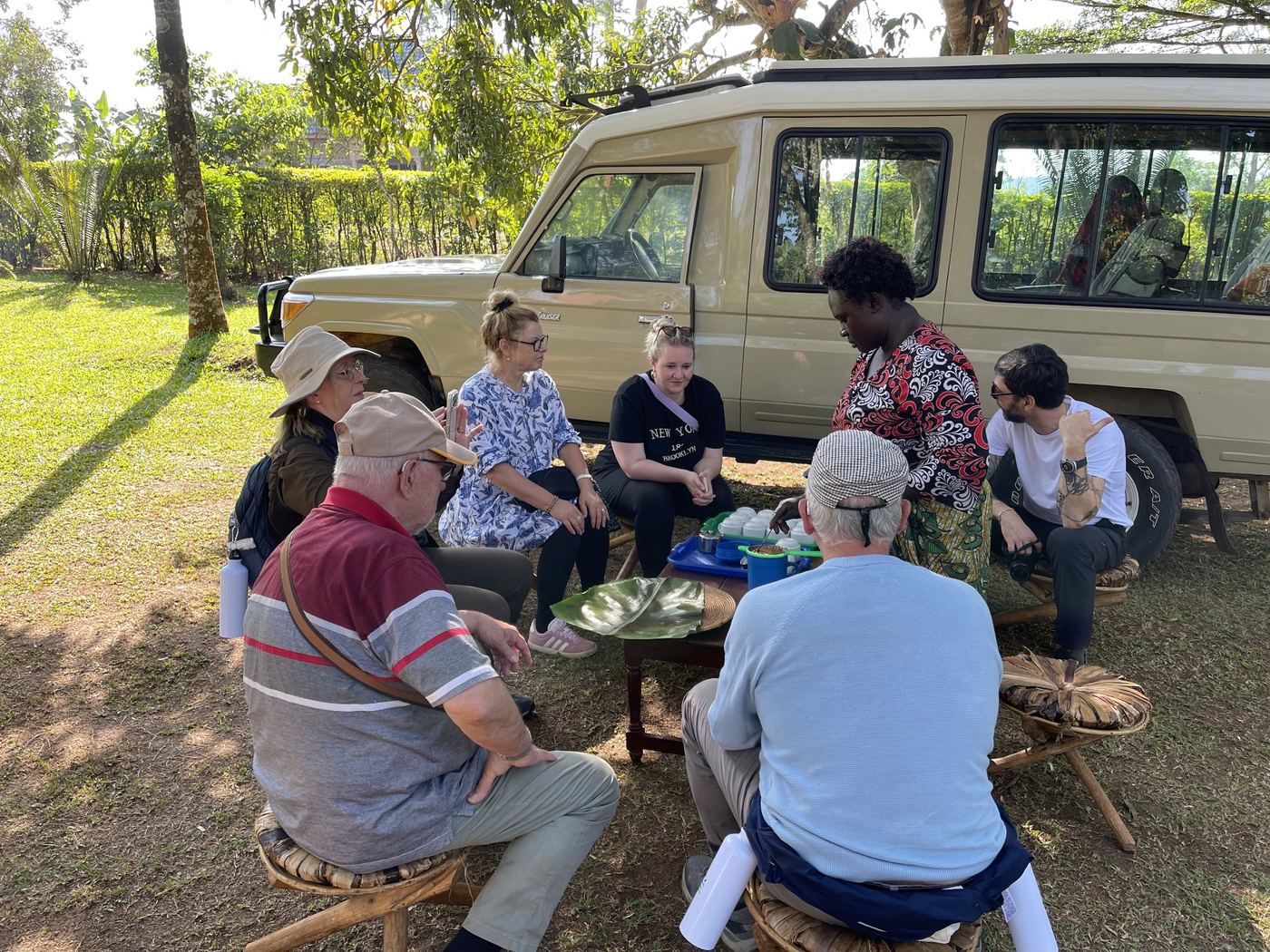
Distances in East Africa are real, and the choice between a long road transfer and a short flight on a small plane changes both the budget and the feel of the trip. The fly-in vs. road comparison explains when each makes sense, and the luggage limits on bush flights are worth knowing before you pack.
Where you sleep
Two lodges in the same park can feel like different holidays. The right one depends on whether you want a view, privacy, a particular style of food, easy access to a certain activity, or a quiet place to rest after a long morning. At Paramount Gorilla Expeditions every camp in our library has been walked, negotiated or slept in by someone on our own team before it is offered to a guest, and our founder stays personally involved in selecting and evaluating each camp added to the portfolio.
Countries and combinations
Personalization lets you combine places that a set circuit would keep apart, such as forest primates in one country and open plains in another, with the travel between them planned as part of the journey. If that appeals, start with the multi-country safari guide and how many days a four-country trip needs.
A starting route, not a final one
Every itinerary in our library is a starting point rather than a fixed package. A tailor-made tour takes one of those routes, or begins from scratch, and adjusts the pace, the camp tier, the parks, the week you travel and the countries you combine. Two travelers who book the same named itinerary rarely end up with an identical trip once it has been adjusted. You can browse the itinerary library to see the kind of routes we begin from.
Have a rough idea of dates and who is coming? A specialist can turn it into a first draft route.
Start my trip requestOn the ground: flexibility when the day changes
A route is a plan. The day is reality, and wildlife, weather and people do not follow a schedule. A personalized trip is built so the day can bend without the trip breaking.
What flexibility looks like in practice
- A sighting is reported nearby, so breakfast is quick and the morning changes direction.
- Rain closes a track, so the plan moves to a different part of the park.
- Someone in the group is tired, so a long afternoon drive becomes a slow lunch and a short sunset outing.
- A guest turns out to be fascinated by birds, so an hour is added at a wetland.
- The light on a ridge is perfect for photographs, so the vehicle stays an extra half hour.
None of these is dramatic. Together they are the difference between a trip that was delivered and one that was lived.
What makes it possible
- Slack in the schedule. An itinerary with every hour committed cannot bend. Leaving room is a planning decision made weeks earlier.
- A vehicle and guide that are yours. A shared vehicle follows the group's timetable. A private one follows yours. The cost side of that is in private vs. group safari.
- A guide trusted to decide. The person in the driver's seat knows the park, the tracks and the animals' habits. The best changes are made on the spot, without waiting for an office.
- A line back to the team. Our guests travel with a direct mobile line for their lead guide once in the region, and our in-country desks are reachable around the clock for any guest currently travelling with us.
When something goes wrong
A missed flight or a change of plan does not wait for office hours. When something needs to change mid-trip with us, you are calling a team that personally holds the relationships with the lodges and operators on your route, rather than submitting a support ticket and hoping.
What personalization can't change
This is the part brochures leave out. A personalized safari is built around you, but it still happens in a real place with real animals, real rules and real suppliers. Knowing the limits before you book is part of planning well.
Five things no operator can bend
- Wildlife. Sightings are never guaranteed. Good planning improves your odds through timing, patience and local knowledge, but no one can promise a leopard on Tuesday or a river crossing on a chosen afternoon. For where each of the big animals is most likely to be seen, see our big five guide.
- The rules of a gorilla trek. In Uganda a gorilla family can be visited by a maximum of eight people a day, you spend one hour with the gorillas, and the minimum age is 15. Park rangers brief the group at the park headquarters, assign trekking groups and lead the trek. Personalization works around the trek rather than inside it: which Bwindi sector and lodge, how many days, what comes before and after, whether you hire a porter, and how clearly your fitness level is passed on. The Bwindi sector guide and what happens on trek day explain the detail.
- Permit dates and supplier deadlines. Gorilla permits and many camps are bought for specific dates, and after a supplier's deadline a change may not be possible or may not be refundable. That is why flexible thinking belongs before you pay, not after. On our quotes those deadlines are shown before you confirm. See how to book gorilla permits for timing.
- Seasons and geography. A river crossing needs herds at the river, and heavy rain can close a road for a day. A route can be timed to the season, but it cannot move the herds. The Great Migration by month shows where they are across the year.
- Park rules and travel time. Some activities, such as night drives and walking safaris, are allowed in certain conservancies and parks and not in others (see night drives and walking safaris), and a long road transfer stays long however it is planned.
A good operator tells you these things before you pay, and says so when a wish does not fit. At Paramount Gorilla Expeditions that is a stated principle: we will tell you when a season is quieter than advertised, when a budget camp is perfectly fine, or when a bucket-list moment is not guaranteed.
The guide relationship: why one person changes the whole trip
Of everything on a safari, your guide is the part you will remember longest. A guide reads tracks, listens for alarm calls, knows where an animal is likely to be at dawn and explains what you are seeing. A guide who also knows you does more: they notice what holds your attention and adjust the day without being asked.
Who your "guide" actually is
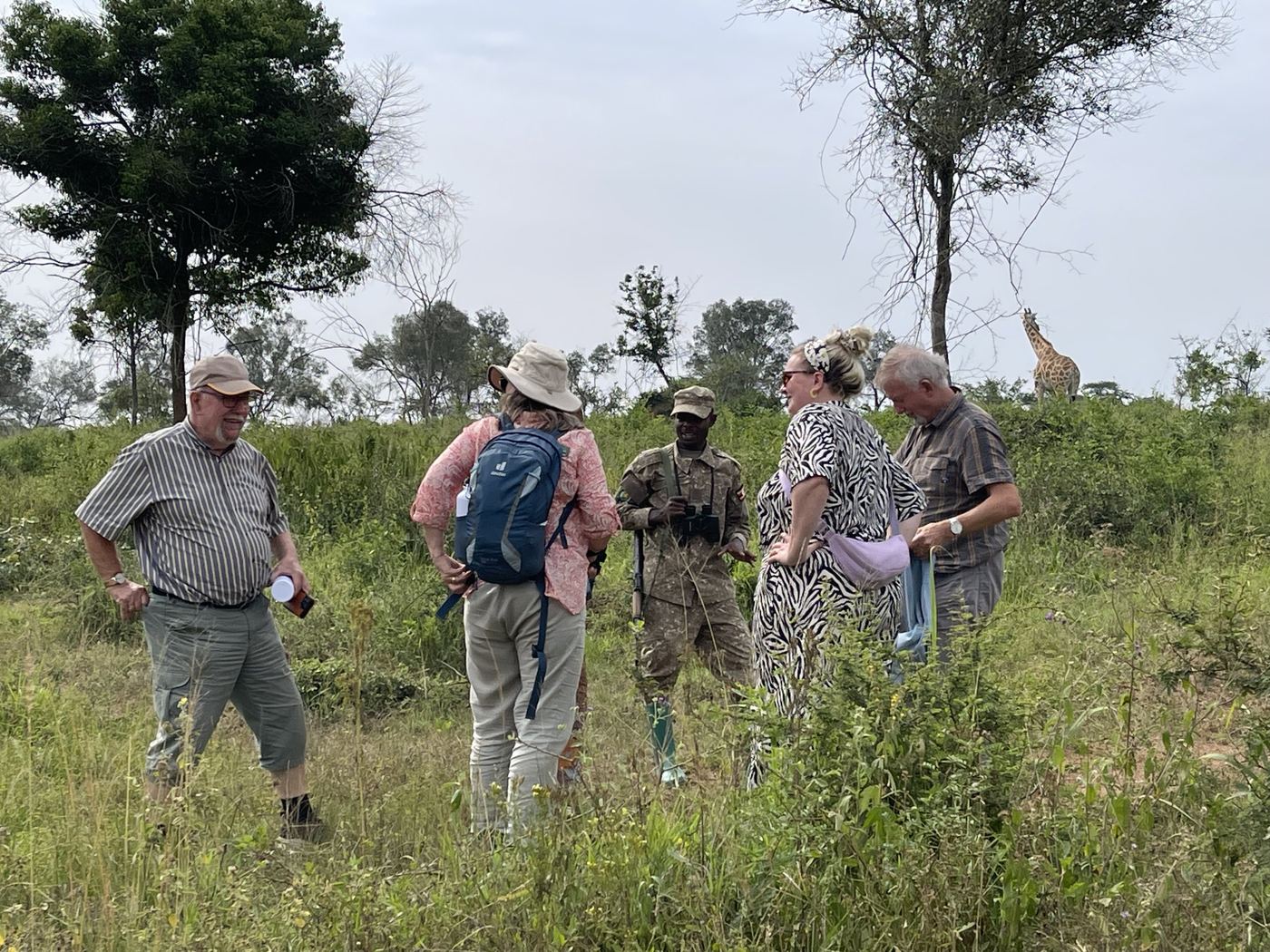
On most trips you will meet two kinds of guide. The first is your driver-guide from the operator, who stays with you through the trip, drives, plans each day with you and handles whatever comes up. The second is a specialist who leads one activity inside a park, such as the park rangers who lead gorilla and chimpanzee treks or accompany walking safaris. The relationship you can shape through planning is the one with your driver-guide. The rangers on a trek are assigned by the park.
What a good guide does
- Reads signs: tracks, dung, alarm calls, the way birds behave around a predator.
- Knows the habits of the area and the time of day each animal tends to be found.
- Reads the group: who wants silence and who wants explanation, who is tiring, who needs a break.
- Positions the vehicle for the light and for photographs without making a show of it.
- Handles problems calmly, from a flat tyre to a delayed flight to a guest who feels unwell.
Matching a guide to what you care about
If birds, plants, photography or a particular language matter to you, say so early. The team behind Paramount Gorilla Expeditions includes guides who are also botanists and ornithologists, a German-speaking guide, and a head safari guide based in Arusha, and our founder guides in English, German and Spanish. You can meet them on the team page. If birds are your passion, the East Africa birding guide shows how much it can change a route.
What credentials tell you, and what they do not
Guide qualifications differ by country. In Kenya a professional association grades guides as Bronze, Silver or Gold, while licensing and grading elsewhere in the region are set up differently, so a certificate in one country does not translate neatly into another. Credentials are useful, but experience in the specific park you are visiting is often just as important. It is fair to ask how long your guide has worked in that park, a question that appears on our list of questions to ask any operator.
Why continuity matters
Knowledge of you builds over days. By the second morning a guide who stays with you knows whether you prefer to move on or to wait, and whether the photographer in the group needs the vehicle turned for the light. That only works when the same person is with you through the trip. Tipping etiquette for guides is covered in our tipping guide.
Paramount Gorilla Expeditions: a company built around this
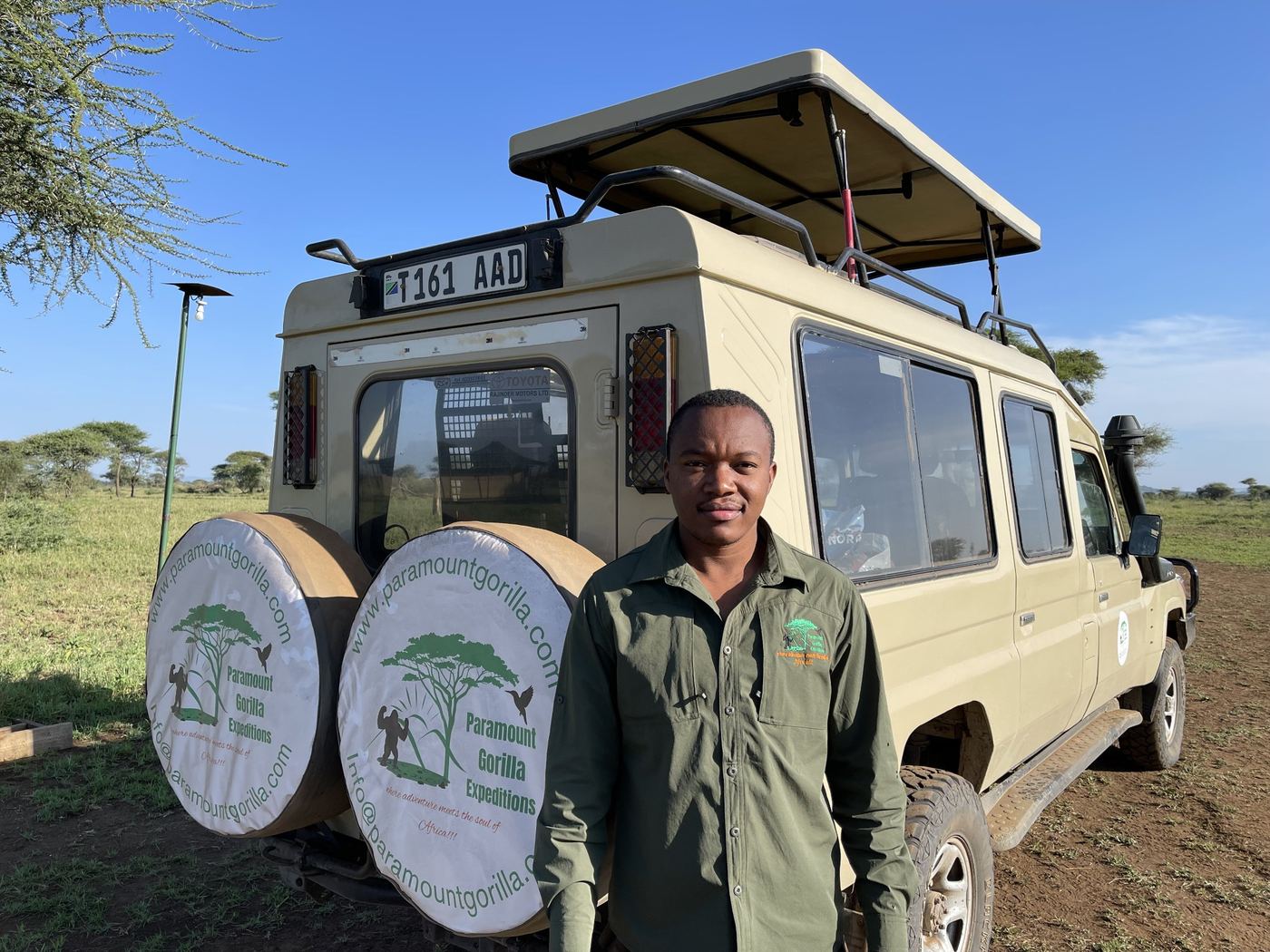
Paramount Gorilla Expeditions started in 2022 with one Land Cruiser and a conviction that the best safaris are built by people who actually live where they guide. Everything about how the company works follows from that.
Led by a founder who still guides
Founder Tumwine Kenneth was born and raised on the outskirts of Bwindi Impenetrable National Park, brings years of hands-on experience guiding safaris across East Africa, and still guides tours personally today. He is fluent in English, German and Spanish, which is why guiding and support are available in those languages from the person who does the work, rather than relayed through a call centre. He also stays personally involved in selecting and evaluating every camp added to the portfolio, checking each against standards for quality, service, location and guest experience.
That matters for personalization because the person who sets the standards for every trip also spends time in the vehicle. A founder who still guides knows first-hand what a long road transfer costs a tired family and what makes a morning at a lodge worth waiting for, and those lessons reach the planning desk directly.
What that looks like when you plan with us
- A real person replies. A destination specialist reviews every trip request personally and replies within 24 hours, with no obligation.
- One point of contact. The specialist who builds your itinerary stays your contact from first enquiry through post-trip follow-up.
- Routes are starting points. Every itinerary in the library is adjusted for pace, camp tier, parks, travel week and the countries you combine, and our tailor-made approach is set out on the About page.
- Camps we know. Every camp in the library has been walked, negotiated or slept in by someone on our own team.
- Itemised quotes. Park fees, permits, accommodation, guiding and transfers are listed line by line.
- A clear deposit. A 40 percent deposit confirms a booking and stays fully refundable for 14 days after payment, with the later cancellation terms shown on every quote before you pay.
- Local people. Over 90 percent of our guiding, camp and office staff are hired locally.
- Support in the field. A direct mobile line for your lead guide once in the region, and in-country desks reachable around the clock for guests who are travelling.
Tell us how you want to travel
Share a month, who is coming and one thing you hope to see. A destination specialist reviews every request personally and replies within 24 hours.
Is a personalized safari right for you?
Not every traveler needs one, and a personalized trip does not have to be complicated. It tends to matter most when the people travelling have different needs, when the occasion is special, or when time is limited and every day has to count.
Couples and honeymooners
Pace, privacy and a quiet finish matter more than a packed route.
Honeymoon safari planning →Families with children
Ages decide the days, from drive length to which camps suit young guests.
The best age for a family safari →Three generations
Different stamina under one itinerary needs room to split and rejoin.
Multigenerational planning →Milestones and proposals
Moments that cannot be left to chance need time and local coordination.
Milestone safaris →Birders and plant lovers
A route built around habitat and a guide who shares the interest.
Birding in East Africa →First-time visitors
The most common mistakes come from packing in too much.
First-time planning guide →A fixed departure can still be the right choice. A solo traveler on a tighter budget who is happy to share a vehicle and the company of strangers for a week can get excellent value and the same wildlife. The solo travel guide and the private vs. group comparison set out the trade-offs. Personalization costs more than a fixed group departure because the vehicle, the guide and the schedule are yours alone, and our safari cost breakdown shows what drives the price.
How to start
- Gather rough answers. A travel month (or "flexible"), who is coming, and the one thing you most hope to see. Add anything about fitness, mobility or the occasion.
- Send a trip request. A specialist reviews it personally and replies within 24 hours, with no obligation.
- Review the first draft and change it. Swap a camp, add a night, remove a long drive. Changing the draft is the process working as intended.
- Confirm when it feels right. A 40 percent deposit secures the trip and stays fully refundable for 14 days after payment.