
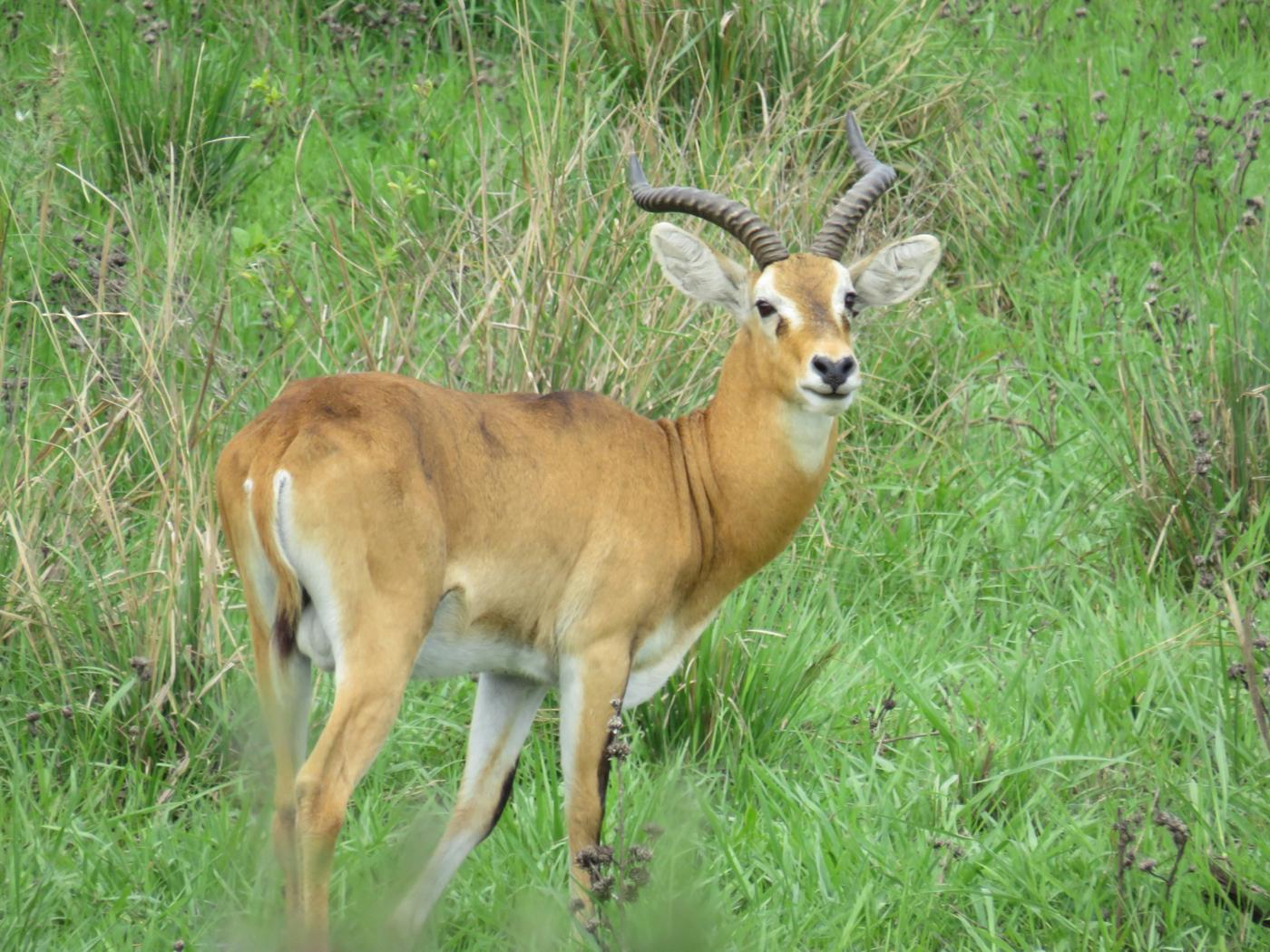
A Kenya honeymoon safari gives a couple the classic picture of Africa: golden plains, big cats at dawn, hot-air balloons, private dinners under the stars and, if you like, a white-sand beach to finish. Kenya suits honeymooners because it has the widest choice of small, private camps in East Africa, a short flight network between its best regions and an Indian Ocean coast within easy reach. This guide explains how to plan it: the best routes, the lodges that suit couples, the romantic experiences that really exist, when to go, how many days to allow, how to add a beach, what it costs and what to arrange before the wedding. People search for it as Kenya honeymoon safari, honeymoon in Kenya, romantic safari Kenya, Kenya honeymoon packages, Kenya honeymoon itinerary, honeymoon safari and beach Kenya, best honeymoon lodges in Kenya and luxury Kenya honeymoon.
Quick answer
A Kenya honeymoon works best at 8 to 12 days: a few nights in the Masai Mara, a second region such as Laikipia, Samburu or Amboseli for variety, and, if you want it, four or five nights on the coast. Choose small private camps, travel with a private driver-guide and keep the transfers short by flying between regions.
The best months for wildlife are June to October, with the migration in the Mara from about July to October. January and February are hot, dry and quieter. April and May bring the long rains and many camps close for part of that time. Tell us it is your honeymoon when you ask for a quotation, so that each camp can be asked to arrange its own romantic touches.
Kenya honeymoon safari at a glance
| Item | What to know |
|---|---|
| Best length | 8 to 12 days, longer with a beach finish |
| Typical route | Nairobi, Masai Mara, Laikipia or Samburu, then the coast or Zanzibar |
| Romantic extras | Hot-air balloon, bush breakfast or dinner, star-bed sleep-out, walking safari, horse ride, night drive |
| Camp style | Small private tented camps and lodges, often with a handful of tents |
| Best months | June to October and January to February |
| Months to avoid | April and May, when the long rains arrive and some camps close |
| Beach finish | Diani, Watamu, Lamu or Zanzibar |
| Budget guide | Roughly USD 4,000 to 11,000 or more per person, depending on level and season |
| Book ahead | Six to ten months ahead for July to October |
| Before you fly | Entry authorisation, the new health-insurance rule, malaria tablets |
Chapter 01: Why choose Kenya for a honeymoon?
Because Kenya offers the most varied romantic safari in Africa. In one trip you can wake to the plains of the Masai Mara, ride a horse across a Laikipia ranch, sleep under the open sky on a raised bed and finish on the Indian Ocean. The country has a deep tradition of private camps with only a handful of tents, so you are not sharing the experience with a large group.
It is also an easy country to link. Light aircraft connect the Mara, Laikipia, Samburu, Amboseli and Nairobi, and scheduled flights serve the coast. A route that would take days by road takes hours by air, which is what a honeymoon needs.
Chapter 02: Which Kenya honeymoon itinerary works best?
Three routes cover most honeymoons.
The classic is the Mara and the coast: three or four nights in the Masai Mara, a night in Nairobi, and four or five nights on the beach at Diani, Watamu or Lamu. It suits couples who want the big-cat plains and a proper rest.
The variety route adds a second wildlife region: two nights in Laikipia or Samburu for walking, horses and rarer species, then three nights in the Mara, then the coast. It suits couples who like to be active.
The Kenya and Tanzania route adds the Serengeti, or Zanzibar for the beach, and suits couples with two weeks. Our Kenya and Tanzania honeymoon safari follows that pattern, and our Kenya family safari tour shows how the coast can be added.
Chapter 03: Which lodges and camps suit honeymooners?
The camps below are the ones that appear repeatedly in honeymoon itineraries, and each suits couples for a different reason.
Angama Mara sits on the Oloololo Escarpment looking down over the Mara Triangle, with views as the main attraction. Kichwa Tembo, in the Mara, offers sunrise balloon flights. In Laikipia, Loisaba is known for its star beds, where you sleep under the open sky, and Ol Donyo Lodge in the Chyulu Hills has ten private cottages. Lewa and Sasaab, in the north, suit couples who want walking safaris, horses and a quieter country. Mara Plains and Cottar's 1920s Camp sit at the upper end of the market.
Giraffe Manor in Nairobi is a hotel where giraffes put their heads through the windows at breakfast, and it is a popular first or last night. Our guide to Kenya's best Masai Mara lodges covers the Mara camps in detail, and our luxury and private conservancy guide explains the conservancy model that many honeymoon camps use.
Rates vary widely and move with the season, so the quotation, not a brochure, shows the price for your dates.
Chapter 04: Which romantic experiences really exist in Kenya?
A good honeymoon is built from experiences, not from the camp alone.
A hot-air balloon flight over the Mara at sunrise, followed by a breakfast in the bush, is the best known. Several camps offer bush breakfasts, private sundowners and dinners on a deck or beside a fire.
A sleep-out is a night on a raised bed under the stars. Loisaba's star beds are the best-known example, and some Mara conservancies offer fly camping.
Walking safaris are available at Lewa, Loisaba, Angama and in conservancies such as Naboisho, led by trained guides. Horse riding is possible in Laikipia and in some Mara camps, and suits experienced riders.
Night drives are allowed in the private conservancies, up to about ten in the evening, and not in the national reserve, which is another reason couples choose a conservancy. Our hot-air balloon guide covers the flight, and our night drives and walking safaris guide explains the difference.
Chapter 05: When is the best time for a Kenya honeymoon?
For wildlife, June to October is the best season, because the grass is short and the animals gather near water. The Mara migration runs from about July into October, and it is the busiest and most expensive period.
January and February are hot and dry, with good game viewing and far fewer visitors, and they suit couples who want romance without the crowds. November and December have short rains, with green scenery and fewer vehicles. April and May bring the long rains, when roads become difficult and some camps close, and the end of March can also be wet.
On the coast, the long rains fall from about March to May, so the beach is best outside those months. Our best time to visit Kenya guide gives the month-by-month picture.
Chapter 06: How many days do you need?
Eight days is the practical minimum for a safari honeymoon with two regions, and ten to twelve days allows a beach finish without rushing. A short honeymoon of five days can work if it focuses on the Mara alone, flown in from Nairobi. A two-week honeymoon allows two safari regions and a proper beach stay.
As a rule, allow at least two nights in each safari camp, three in the Mara, and four on the coast, so that the trip does not become a series of transfers. Our guide to how many days for a Kenya safari helps with the overall length.
Chapter 07: How do you add a beach?
Kenya's coast offers three main choices. Diani, south of Mombasa, has a long white beach and a wide choice of resorts. Watamu, further north, is known for its marine park, turtles and quieter hotels. Lamu is an island with an old Swahili town, dhow sailing and a slower pace, reached by a short flight.
You can also fly on to Zanzibar for a different beach, with a connection through Nairobi or Mombasa. Our Kenya safari and beach holidays guide compares the Kenyan beaches, our Zanzibar honeymoon guide covers the island, and our Lamu guide describes the old town. Plan the beach after the safari, not before, so that you finish rested.
Chapter 08: What does a Kenya honeymoon cost?
Published honeymoon itineraries run from roughly USD 4,000 to 11,000 or more per person, depending on the camp level, the number of regions, the season and the beach. A mid-range trip with comfortable camps costs far less than a luxury trip with a private conservancy and a balloon flight, and July to October costs more than January to February.
Three things push the cost up: conservancy camps, the migration months and each extra flight. Three things bring it down: travelling in January or February, choosing a reserve camp for part of the stay and keeping the number of regions to two. The exact figure comes from a written quotation, and our Masai Mara cost guide explains how the park fees work.
Chapter 09: What should you arrange before the wedding?
Entry to Kenya needs an electronic travel authorisation, and the UK and Canadian governments both state that since 5 October 2026 most visitors staying under twelve months must also hold Kenyan Government-provided travel health insurance, so check the current rule on the official eTA site before you pay. Our Kenya eTA guide covers the steps.
Malaria is a risk in much of Kenya, so speak to a travel clinic early, because some courses start before you leave and finish after you return. A yellow fever certificate is needed only in some cases, depending on where you travel from, and our malaria and vaccinations guide explains the rules.
Passports need enough validity and blank pages, and your name on the tickets must match the passport, which matters if you have just changed your name by marriage. Some operators ask for a marriage certificate for honeymoon offers, so ask what they require.
Chapter 10: Is Kenya safe for a honeymoon?
Safari areas such as the Mara, Laikipia and Amboseli are not on any government's advise-against list, and a camp visit is a controlled, guided experience. The risks that matter are in the cities and on the roads: petty crime in Nairobi, accidents on busy highways and demonstrations that can close roads. Travelling with a private driver-guide, flying between regions and using vetted hotels reduces all three. Our Is Kenya safe to visit guide gives the full picture, and our travel insurance guide explains evacuation cover.
Chapter 11: Should you travel privately?
Yes, for a honeymoon. A private vehicle and guide let you set the pace, stay at a sighting as long as you like and leave early for a balloon flight, and you never have to share a seat or a sighting. Our private versus group safari guide compares the two.
Chapter 12: What mistakes spoil a Kenya honeymoon?
The common ones are travelling in April or May without checking the camps are open, packing too much for the small aircraft, spending only one night in each camp, forgetting that balloon flights start before dawn and need an early night, booking the beach before the safari and arriving tired, and leaving the bookings until the camps are full. Our packing list and luggage guide help with the bags.
Chapter 13: What is the verdict?
A Kenya honeymoon is at its best when it is small, private and unhurried: two regions, a handful of well-chosen camps, a balloon flight, a sleep-out and a beach to finish. Go between June and October for the wildlife or in January and February for quiet, and allow ten days or more.
Tell us your wedding date, how you like to travel and whether you want a beach, and we will send a written quotation with the camps, the flights, the private vehicle and the extras. See our Kenya destination page and tours such as our Kenya and Tanzania honeymoon safari and our private conservancy safari.
Tell us your wedding month, the length of your trip and the mood you want, and we will reply within 24 hours with a private route, hand-picked lodges and a written quotation.
Request a free quotation