Local Experts On-The-Ground Since 2022 +256 744 269 228
Tanzania Kenya Uganda Rwanda Zanzibar Seychelles Multi-Country Safaris Experiences Lodges Itineraries Journal About Plan My Trip Enquire Now
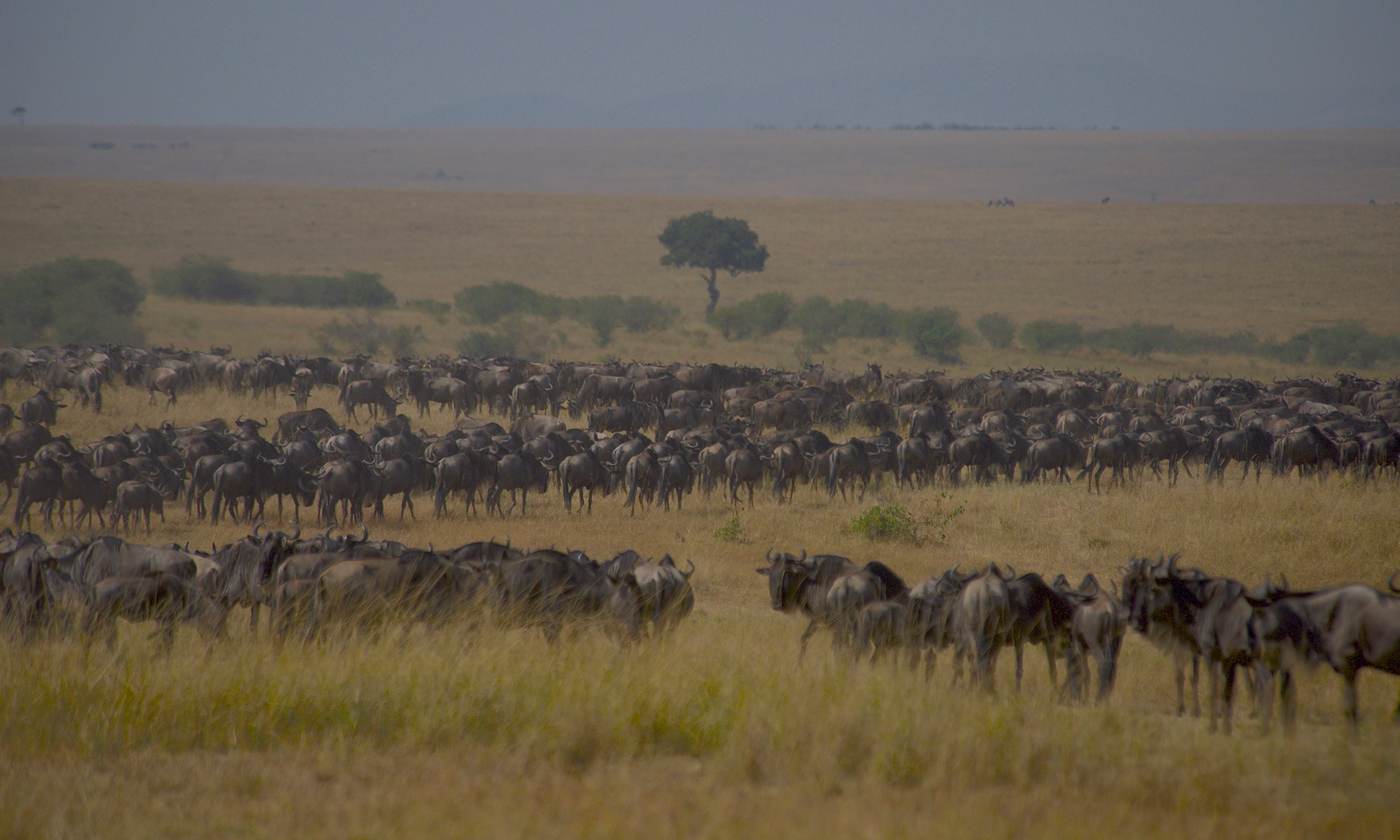
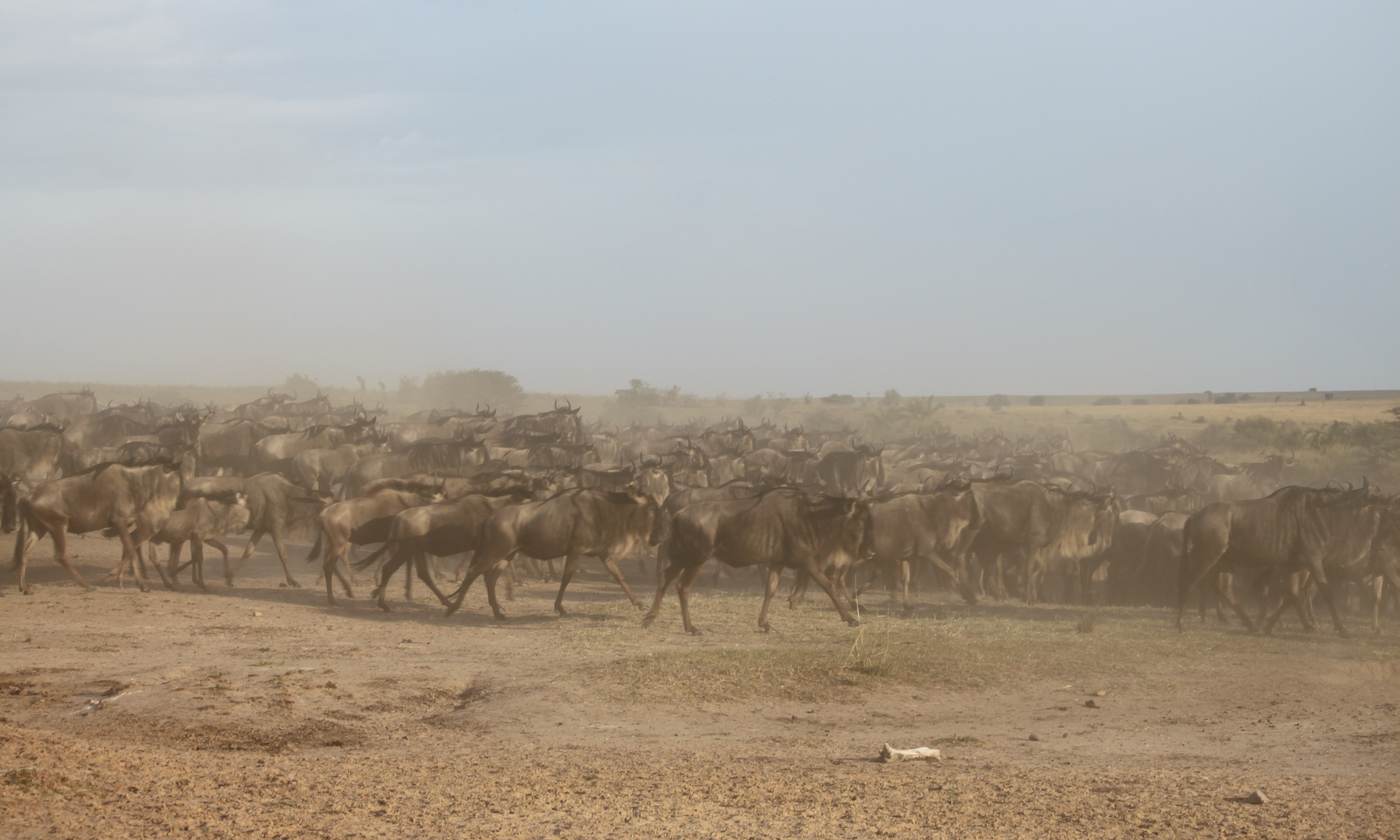
Wildebeest herd moving through a cloud of dust Uganda → Kenya → Tanzania → Zanzibar
Uganda · Kenya · Tanzania · Zanzibar

Gorillas, Great Migration & Zanzibar: The Grand Circuit

Our longest, most immersive route: extended time in every ecosystem, and five unhurried nights to properly unwind in Zanzibar.

UgandaKenyaTanzaniaZanzibar
21 Days20 nights
$16,900per person

Itinerary ref: MC-007

Overview

Our longest, most immersive route: extended time in every ecosystem, and five unhurried nights to properly unwind in Zanzibar.

There is a version of East Africa built for travelers who have already done the highlight-reel safari and want the long-form original instead: the version with room to breathe. This 21-day Great Migration and Zanzibar journey, our Grand Migration Circuit, is exactly that itinerary, so nothing is rushed. First come two separate mountain gorilla treks in Uganda's Bwindi Impenetrable Forest rather than the usual single permit. Next, four unhurried nights each in the Maasai Mara and the Serengeti let you follow the Great Migration's rhythm instead of chasing a single crossing photograph. After that come two full descents onto the Ngorongoro Crater floor on consecutive days. Finally, five genuinely uninterrupted nights in Zanzibar close it all, with nothing on the schedule at all.

Who this Great Migration and Zanzibar journey is for

At 21 days it is the longest journey in our library, but it is designed that way on purpose. It suits retirees with the time to spend, as well as honeymooners and anniversary travelers treating this as the once-in-a-lifetime trip. It also suits anyone who has decided that if they are only going to do East Africa once, they are going to do it properly.

Why pacing matters on a Great Migration and Zanzibar trip

Pacing is the entire point of this route, so it shows in details a shorter itinerary simply cannot afford. For example, a second gorilla trek means a second habituated family, often a group with a different social structure, younger infants, or a less-visited forest sector. As a result, you avoid a rushed single encounter you spend the rest of the trip trying to fully process. Similarly, a second crater descent means returning to the Ngorongoro floor once you already know its rhythms. You are then free to linger at a hyena den or a quiet lakeshore instead of ticking off the Big Five on a single clock. In addition, four nights in Kenya's Mara followed by four in Tanzania's Serengeti give our guides real flexibility to reposition around the migration's actual movement rather than a fixed date on a brochure.

Booking your Great Migration and Zanzibar dates

Fixed departure windows fill early on a route this long, so we recommend booking your Great Migration and Zanzibar trip at least nine months ahead, particularly for July-through-September gorilla permits.

See also: Gorilla Trekking 2026: Uganda vs Rwanda, Cost, Permits & Best Time.

Still deciding between primates and the herds? Then read Migration or Mountain Gorilla Safari: How to Choose Between Them.

If you want the beach week to go deeper, then look at the Zanzibar Wellness & Spice Island Retreat.

For couples, the Gorillas, Migration & Zanzibar Honeymoon also covers similar ground.

Other multi-country routes worth comparing include, for example, the Three Nations Safari: Uganda, Kenya & Tanzania with Zanzibar Finale and The Complete East Africa Safari & Zanzibar.

Build This Safari Browse All Safaris
Gorillas, Great Migration & Zanzibar: The Grand Circuit
Plan and book

The 21-day Uganda, Kenya, Tanzania & Zanzibar Safari: facts, best months and how to book

Everything you need to decide, in one place. The day-by-day route, camps, inclusions and full rates are further down this page.

Length
21 days, 20 nights
Where
Bwindi and Queen Elizabeth (Uganda), Maasai Mara (Kenya), Serengeti, Ngorongoro Crater (Tanzania), Zanzibar
Best months
July to September
From
US$16,900 per person sharingClassic Comfort US$16,900 · Premium US$21,900 · Ultra-Luxury US$27,900The “From” price is for the Classic Comfort tier. Each lodge below shows its own tier, and the higher tiers cost more.Rates valid for 2027 departures (to 31 December 2027)
How you travel
Private 4x4 with a pop-up roof and a dedicated driver-guide on the mainland legs
Reply time
A specialist replies within 24 hours

Best time to go

WhenWhat to expectBook
August and SeptemberThe Mara and Serengeti crossing season, with Bwindi in its drier months and Zanzibar dry. Gorilla permits for July to September go first.9 to 12 months ahead
June, July and OctoberJune: the herds are moving north and Bwindi is drier. July brings the first crossings. In October the southward drift begins and Bwindi's wetter season starts.6 to 8 months ahead
Late December to FebruaryGorilla trekking and Zanzibar are both good. The herds are in the southern Serengeti, so the Mara nights are about resident big cats. February: 9 to 12 months ahead. Christmas and New Year: 10 to 12 months ahead.As noted in this row

Fixed departure windows fill early on a route this long: book at least nine months ahead, and 9 to 12 months ahead for July to September. The herds follow the rain, so every month is a guide, not a guarantee.

Is this the right safari for you?

Choose it if

  • Travellers who want to do East Africa once and do it properly, with time to spare.
  • Honeymooners, anniversary travellers and retirees who prefer rest mornings to early starts.

Think again if

Photos from the road

Pictures from East Africa safaris with our guides and guests.

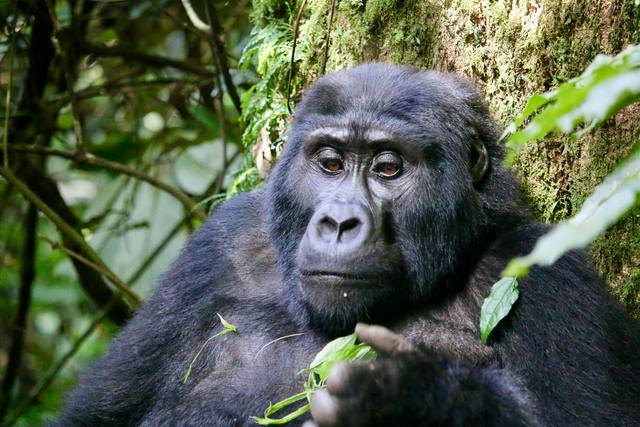
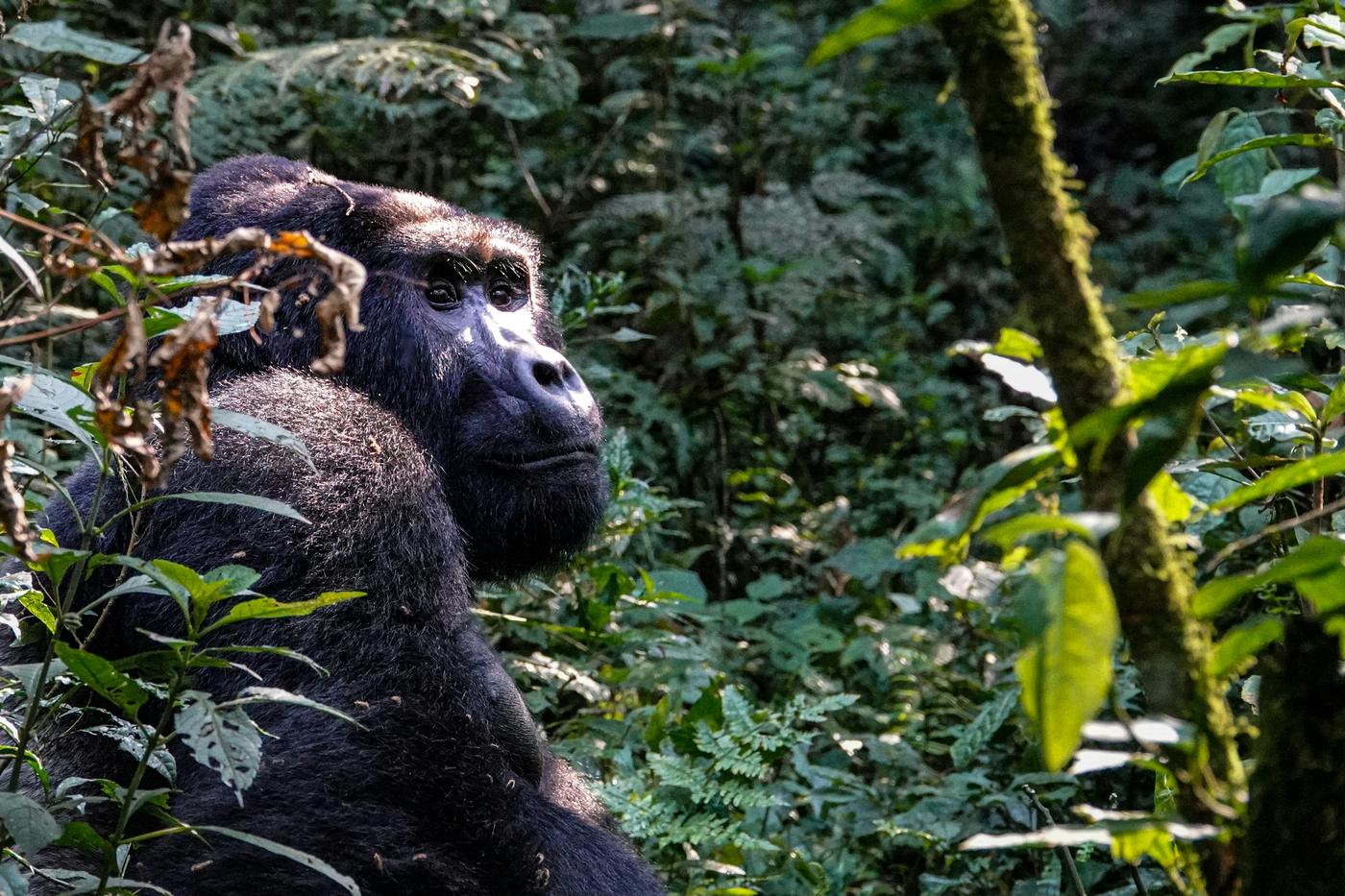
Mountain gorilla sitting with its hand under its chin among green leaves
A mountain gorilla resting among green leaves.
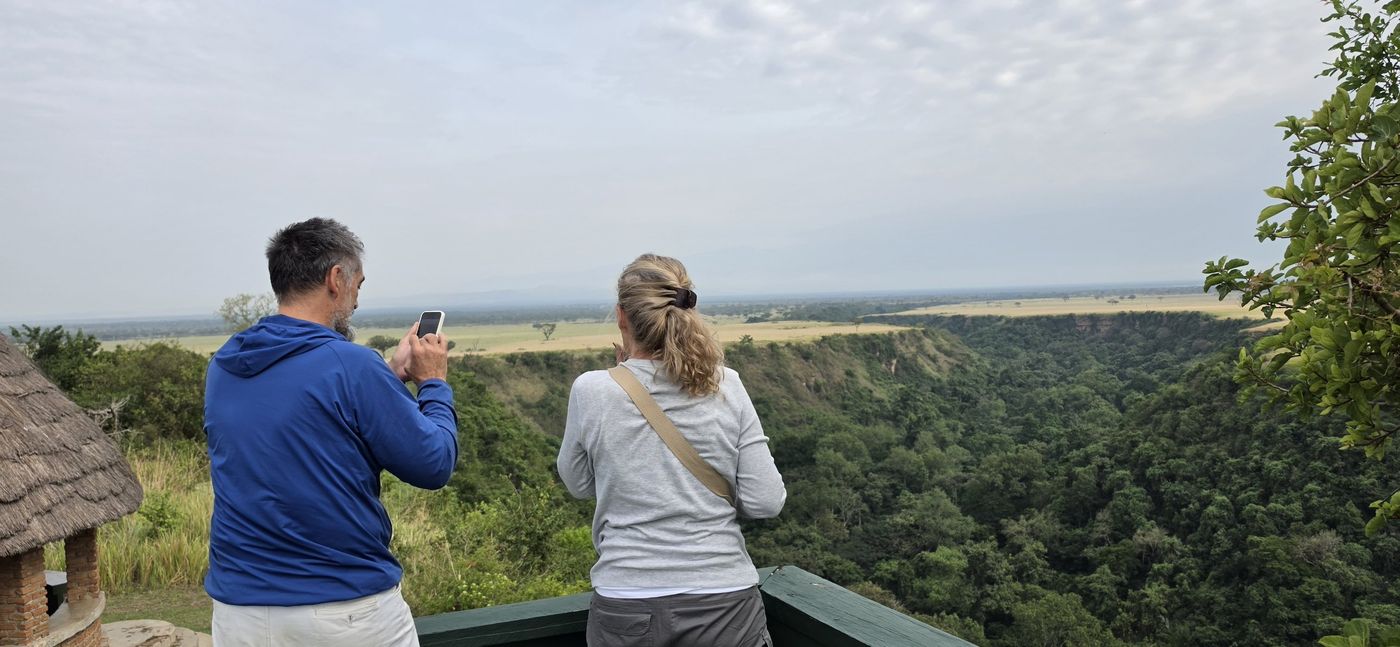
Guests looking over the Kazinga Gorge from a viewpoint in Queen Elizabeth National Park
Guests at a viewpoint over the Kazinga Gorge, Queen Elizabeth National Park.
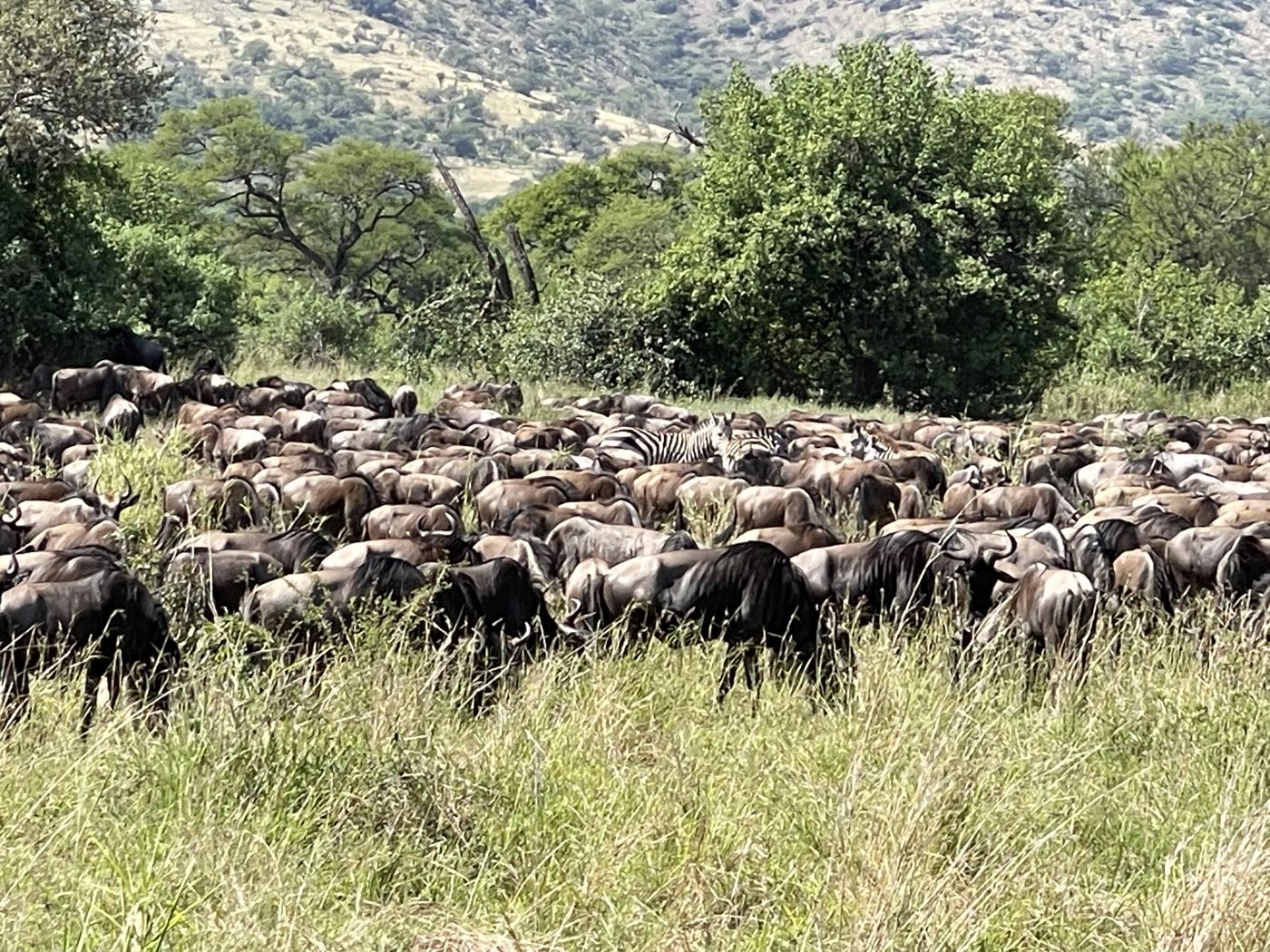
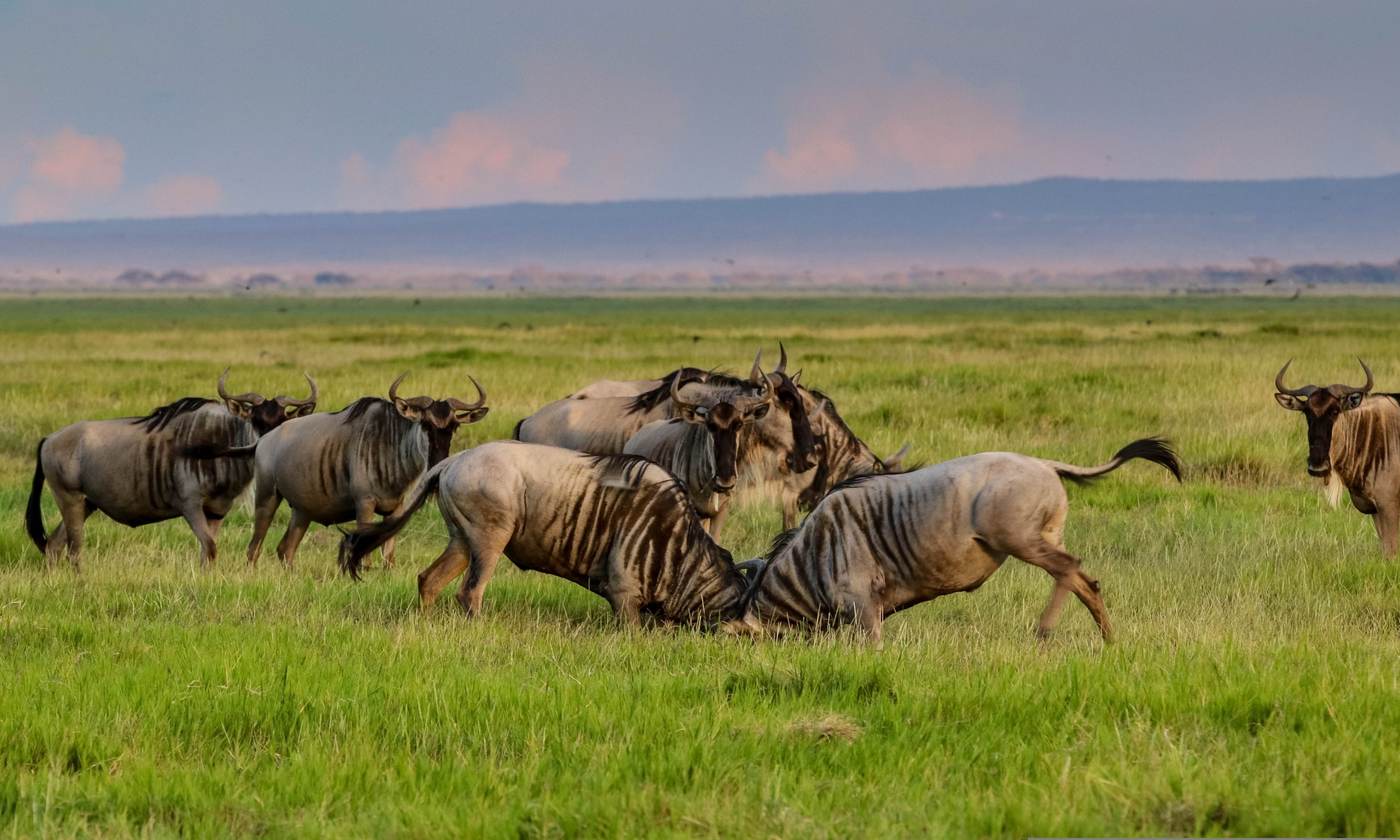
Large herd of wildebeest grazing on green grass below a bush-covered hillside
A large herd of wildebeest on green grass.
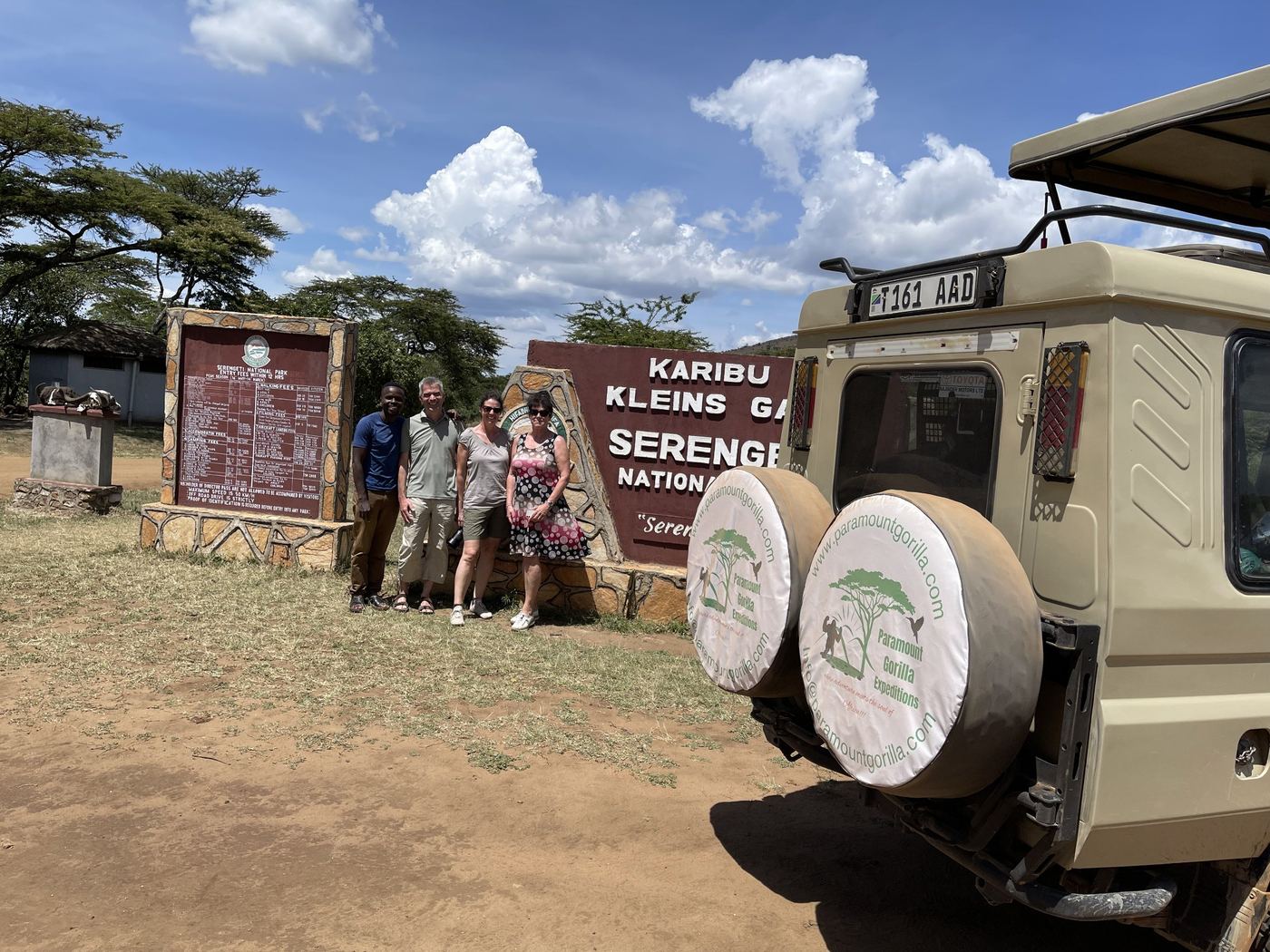
Guests standing at the Klein's Gate entrance sign for Serengeti National Park
Guests at the Klein's Gate sign, an entrance to Serengeti National Park.
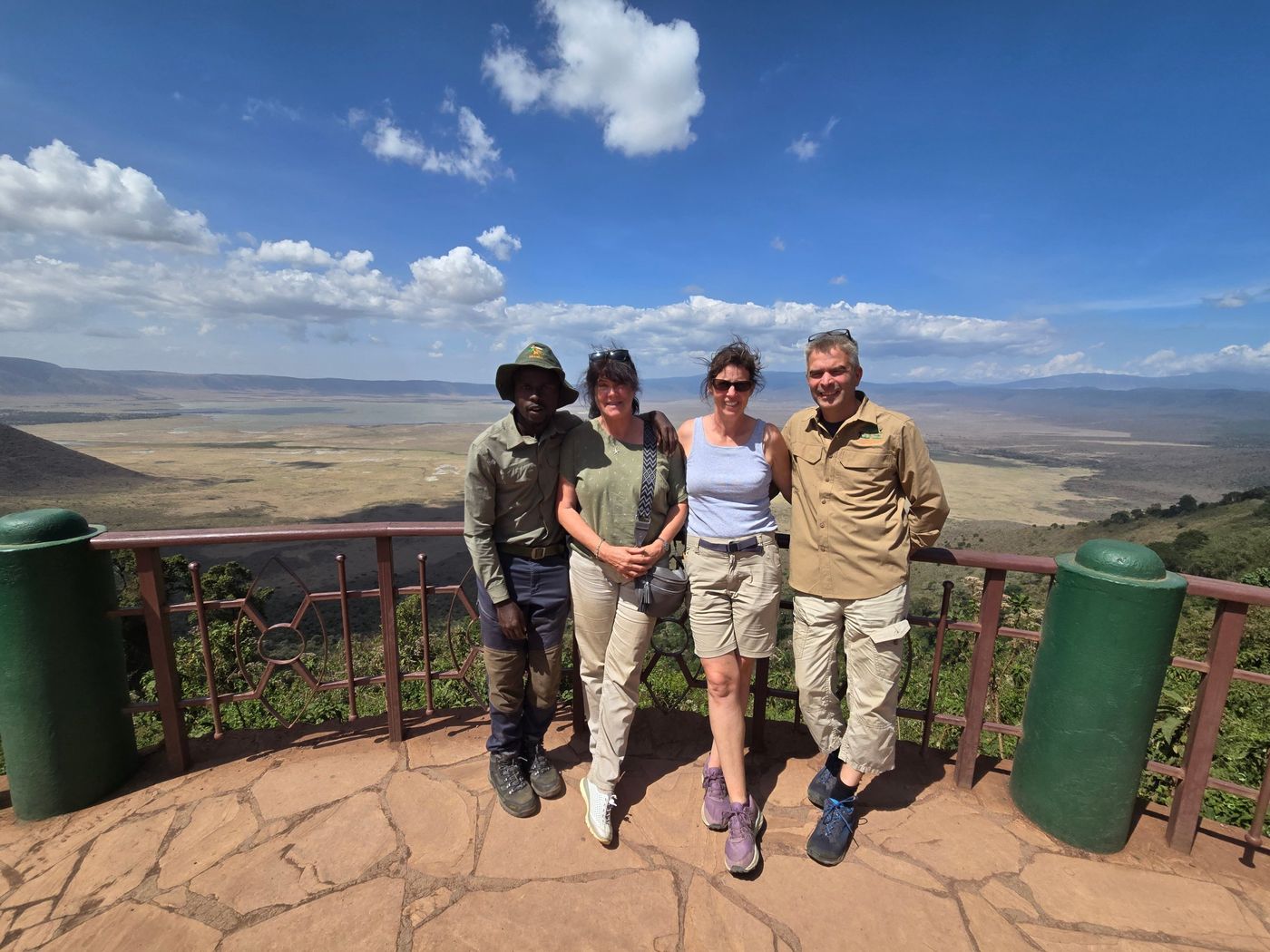
Guests and their guide standing at a viewpoint above the Ngorongoro Crater
Guests and their guide at a viewpoint over the Ngorongoro Crater.

How booking works

  1. Tell us your datesUse Request a Quote or WhatsApp with your dates, group size and any must-sees.
  2. Get a written proposalA destination specialist replies within 24 hours with availability, camps and a price for your dates.
  3. Hold the datesPay the deposit to hold your dates: 40% deposite to confirm your booking
  4. Prepare to travelWe confirm camps and flights, and send visa, health and packing guidance before you leave.

Payment and cancellation terms

Deposit. 40% deposite to confirm your booking

Final balance. The final balance is due 60 days before your departure date, or as stated on your written booking confirmation. If it is not received by then, the booking may be treated as cancelled, subject to the cancellation charges.

Cancellation. After the 14-day deposit window, charges are counted from the day we receive your written cancellation notice:
90 or more days before departure: the 40 percent deposit is kept.
60 to 89 days: 50 percent of the total trip cost.
30 to 59 days: 75 percent of the total trip cost.
Fewer than 30 days, or after departure: 100 percent of the total trip cost.
Gorilla and chimpanzee permits, certain fixed-departure camps and scheduled charter flights can carry earlier supplier deadlines and may be non-refundable from the booking date. Any such deadline is shown on your written quote before you pay a deposit.

Rated 4.9 out of 5 on SafariBookings and Tripadvisor. More than 30 journeys planned.

Read before you book

Other Great Migration routes

Route & pacing

The 21-day Great Migration & Zanzibar route

1

Bwindi & Queen Elizabeth NP, Uganda

First, two gorilla treks on different days, plus a relaxed Kazinga Channel exploration.

5 Nights
Mountain gorilla looking down beside a moss-covered trunk, the first chapter of this gorilla and Great Migration safariBwindi & Queen Elizabeth NP, Uganda
2

Maasai Mara, Kenya

Next, extended time to track multiple crossing attempts and resident prides.

4 Nights
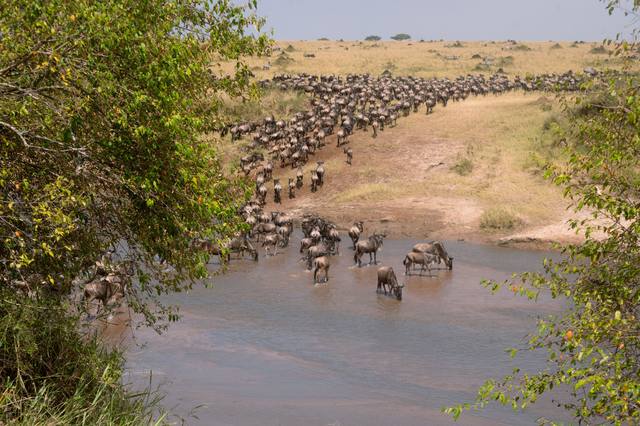
Long column of wildebeest crossing a river between green trees during the Great MigrationMaasai Mara, Kenya
3

Serengeti, Tanzania

Then a central and northern Serengeti circuit at an unhurried pace.

4 Nights
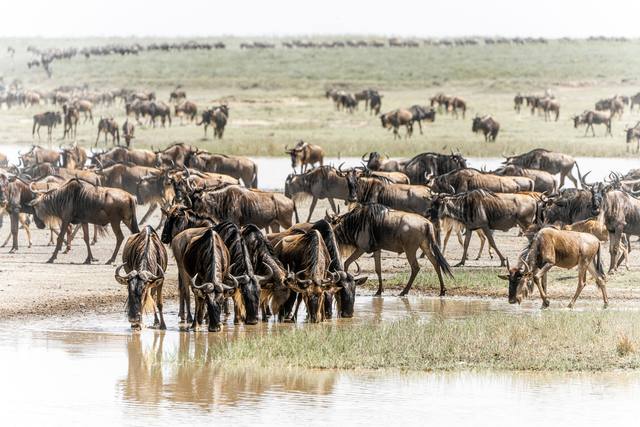
Wildebeest herd drinking at a shallow waterhole on the Serengeti plains during the Great MigrationSerengeti, Tanzania
4

Ngorongoro Crater

After that, two full crater descents on consecutive days.

2 Nights
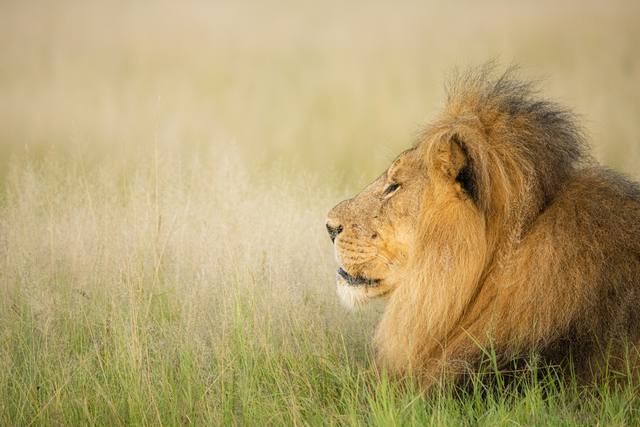
Male lion with a dark mane lying in long pale grass in gentle lightNgorongoro Crater
5

Zanzibar

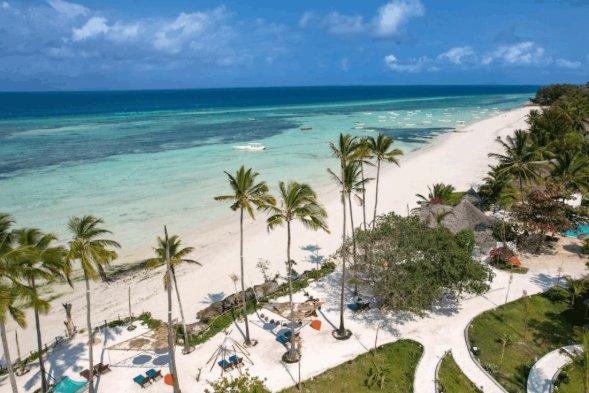
Finally, five nights to properly rest: no itinerary, just the beach.

5 Nights
Aerial view of Kendwa Beach, Zanzibar, with palms and turquoise water, a beach finish after the Great MigrationZanzibar
Planning guides

Planning guides for a Great Migration & Zanzibar safari

Read these before you choose dates: each one answers a single question in full.

Planning guides

Gorillas, the Great Migration and Zanzibar: planning guides

Read these before you choose dates for the gorilla and Mara parts of this trip.

Plan your dates

Check availability

Not ready yet?

Save this itinerary for later

Sign in to save this safari's dates and party size to your account, so you can pick up right where you left off.

Sign in to save this itinerary
Day by day

Your 21-day journey

Day 1

Arrive Entebbe, Fly to Bwindi

Your journey opens at Entebbe International Airport, where an Paramount Gorilla Expeditions representative meets you for the short transfer to a domestic terminal and a scenic light-aircraft flight over Lake Victoria's northern shoreline before the terrain folds into the deep green hills of Uganda's far southwest. Touching down at Kihihi airstrip, a drive through terraced hillsides and roadside banana and tea plantations brings you into Bwindi Impenetrable Forest, a UNESCO World Heritage Site and, at over 25,000 years old, one of the most biodiverse forests left on the continent — home to roughly half the world's remaining mountain gorillas. There is nothing scheduled for the rest of the day. Settle into your forest-edge suite, meet your trekking guide for a briefing on tomorrow, and let the descending mist, distant hornbill calls and complete absence of urgency set the tone for the three weeks ahead.

Day 2

First Gorilla Trek — Buhoma Sector

An early breakfast precedes a briefing at park headquarters, where you join a small trekking party of no more than eight guests assigned to a habituated family in Bwindi's original Buhoma sector — often the Mubare or Rushegura group, among the longest-studied families in the park. The trek moves through dense understorey behind armed rangers and trackers reading broken vegetation and overnight nest sites, and can run anywhere from forty-five minutes to several hours depending on where the family fed. The permitted hour with the gorillas once found is the whole reason this itinerary exists: a silverback's low rumbling contentment call at close range, the disarming directness of a juvenile's stare, the sheer physical presence of an animal built like a small truck moving in complete silence through the canopy. Most guests describe it afterward as difficult to put into words — which is exactly why a second trek, two days from now, matters.

Day 3

Second Gorilla Trek — A Different Family

Where most itineraries offer a single permit, yours includes a second trek into a different Bwindi sector — commonly Ruhija or Nkuringo, each with its own terrain, elevation profile and habituated family entirely distinct from yesterday's. The forest here often runs steeper and quieter, and the family assigned may include several young infants still riding on their mothers' backs, giving this second encounter a genuinely different character: less about the silverback's raw presence and more about watching juveniles wrestle, forage and test boundaries under the group's tolerant supervision. Because your guide already knows your fitness and pace from Tuesday's trek, today's route can be worked more precisely to your preference. The afternoon is left open — many guests use it for a short forest-edge walk with local Batwa guides, whose forebears lived in this forest for millennia before it became a protected park, and who narrate its plants and history firsthand.

Day 4

Transfer to Queen Elizabeth National Park & Kazinga Channel

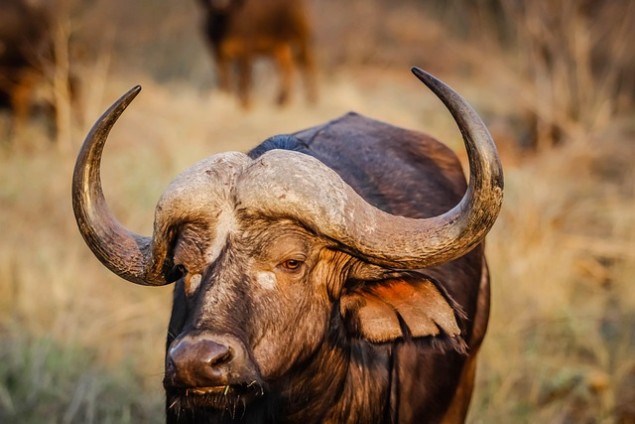
A scenic 2.5-hour drive carries you out of Bwindi's highlands and down onto the Rift Valley floor, passing the crater lakes of the Kichwamba escarpment — a chain of collapsed volcanic calderas filled with brilliant blue-green water — before entering Queen Elizabeth National Park. The change of register from forest to open savannah is immediate and total: euphorbia-studded ridgelines, wide grass plains, and the Kazinga Channel connecting Lakes Edward and George. After settling into your channel-side lodge, the afternoon's boat cruise delivers close-range sightings of hippo pods (Uganda holds one of Africa's densest concentrations), basking Nile crocodile, buffalo herds wading to drink, and a bird list that regularly exceeds 100 species in a single outing, including African fish eagles and pink-backed pelicans working the shallows.

Day 5

Queen Elizabeth Game Drives — Kasenyi & Ishasha

A full day dedicated to Queen Elizabeth's plains, opening with an early drive through the Kasenyi sector, prime territory for lion prides that hunt this mixed savannah-woodland terrain and for Uganda kob performing their distinctive lekking mating displays at dawn. Depending on recent sightings, your guide may route south toward Ishasha, famous for tree-climbing lions that drape themselves across the low branches of fig trees — a behavior rarely documented elsewhere in East Africa, with leading theories pointing to escape from biting flies and the heat radiating off the plains below. The afternoon offers a genuinely slower pace: a guided nature walk near Maramagambo Forest, or simply time on your lodge's channel-view deck watching hippos graze the far bank as the light turns gold ahead of tomorrow's border crossing into Kenya.

Day 6

Fly to the Maasai Mara, Kenya

Today's logistics are handled entirely on your behalf: a short flight connects via Entebbe onward to Nairobi's Wilson Airport, where a second light aircraft carries you directly into the Maasai Mara — Kenya's most storied ecosystem and the northern anchor of the Great Migration's annual circuit. Touching down on a private airstrip, you're met by your Mara-based guide and driven straight into an afternoon game drive rather than a lodge-lobby transfer. The Mara's open, golden grassland supports one of the highest predator densities on the continent, and it is genuinely common to encounter your first pride of lions, or a lone cheetah scanning the horizon from a termite mound, within an hour of landing on Kenyan soil — a fitting welcome to four full nights built entirely around this ecosystem.

Day 7

Great Migration River Crossing Pursuit

A full day dedicated to the Mara River's crossing points — the single most dramatic set-piece in African wildlife, where up to 1.5 million wildebeest and several hundred thousand zebra funnel down steep banks under pressure from herd momentum behind them, hesitate, and then commit en masse into water where Nile crocodiles have waited, sometimes for days, without feeding. Your guide works a real-time network of spotter vehicles and radio contacts to position you at whichever crossing point that morning's herd movement favors — crossings can happen within minutes of arriving or after hours of tense, quiet waiting, and we brief every guest honestly on that unpredictability beforehand. Between attempts, the surrounding plains hold resident lion prides, spotted hyena clans and, in the right season, some of the Mara's largest recorded elephant bulls moving unhurried through the long grass.

Day 8

Private Conservancy Day & Optional Balloon Safari

Today trades the sometimes-crowded reserve crossing points for the private conservancies bordering the Mara, where off-road driving and night game drives — both prohibited inside the national reserve itself — open sightings simply unavailable elsewhere on this leg. For early risers, an optional sunrise hot air balloon safari drifts silently over the plains as first light catches the escarpment, followed by a traditional bush breakfast set up in the open grass, champagne included. The remainder of the day is spent tracking resident cats at close range with your conservancy guide, working known denning sites and favored ambush points rather than searching cold, before a sundowner overlooking the valley — the Mara's burnt-orange sunset is, without exaggeration, one of the most photographed skies in Africa.

Day 9

Mara Triangle & Resident Prides

Your fourth and final Mara day shifts west into the Mara Triangle, the reserve's most topographically dramatic sector, bounded by the Oloololo Escarpment and threaded by a second set of Mara River crossing points less heavily visited than the main reserve's. With four full days rather than the usual two or three, your guide has had time to build a real picture of which specific prides, coalitions and individual leopards are holding territory this week, and today is spent following that local knowledge rather than a fixed route — often the most rewarding day of the Mara leg precisely because nothing about it is generic. A final sundowner on the escarpment edge, with the Serengeti's border visible as a green haze to the south, closes out an ecosystem you've now had genuine time to know.

Day 10

Cross into Tanzania: Central Serengeti

There's no direct flight between the Mara and the Serengeti — bush airstrips on both sides have no immigration post, so the crossing starts with a transfer in your safari vehicle to the border for passport and customs clearance, before continuing on to Seronera in the park's central valley by the most efficient combination of vehicle and connecting flight available on your dates. This region holds water and cover year-round, making it the Serengeti's most reliable big-cat territory regardless of season, home to some of the best-studied leopard and lion populations on the continent thanks to decades of ongoing research based nearby. Your afternoon game drive introduces the Serengeti's scale in a way no photograph quite captures — genuinely endless short-grass plains meeting distant granite kopjes that serve as natural vantage points for resting lions and leopards. Settling into your migration-tracking camp for the first of four nights, tonight's briefing outlines where the herds are currently concentrated across the wider ecosystem.

Day 11

Central Serengeti Big Cat Tracking

A full day immersed in the Seronera Valley's resident predator populations, working specific known lion prides and leopard territories alongside your guide's accumulated knowledge of denning sites and favored hunting grounds. Cheetah sightings are a genuine highlight here — the valley's open sightlines suit their hunting style, and it is not uncommon to watch a female methodically stalking Thomson's gazelle from several hundred meters out, tail twitching, for the better part of an hour before committing. Because the Serengeti-Mara migration is a genuinely circular, year-round movement rather than a single seasonal event, your guide adjusts today's route around wherever the wildebeest and zebra columns currently sit, balancing predator-focused game drives with time simply parked at a productive waterhole watching the wider ecosystem's daily traffic pass through.

Day 12

Repositioning North: Grumeti & the Western Reaches

Today your camp relocates north with the migration itself — one of the genuine advantages of a mobile, seasonally-repositioning property over a fixed lodge — tracing a route toward the Grumeti River and the Serengeti's western and northern reaches. En route, the Grumeti offers a narrower, more intimate crossing point than the Mara's, home to some of the largest Nile crocodiles recorded in East Africa, individuals reputed to exceed six meters. The surrounding riverine forest supports species less visible on the open plains: vervet and colobus monkeys, African fish eagles perched along the water's edge, and dense resident hippo pods. Arriving at your new camp by late afternoon, the shift in landscape — taller grass, denser tree cover, a noticeably different soundscape after dark — makes clear you've moved into a genuinely different part of the ecosystem.

Day 13

Northern Serengeti & the Mara River Crossings

Your final Serengeti day pushes toward the park's northern Kogatende region, where the Serengeti's own stretch of the Mara River hosts crossing points every bit as dramatic as those you tracked in Kenya four days ago — often quieter, with fewer vehicles, since this sector sits at the far end of most standard itineraries. Depending on the migration's exact position this week, your guide may focus on a known crossing point or instead work the surrounding kopjes and acacia woodland, home to notably large lion prides that have adapted to hunt this rougher, hillier terrain differently than their Mara cousins. A final unhurried afternoon allows time to revisit any pride or individual cat that made a particular impression over the past four days, before an early departure tomorrow toward Ngorongoro.

Day 14

Transfer to Ngorongoro via Oldupai Gorge & First Crater Descent

The drive out of the Serengeti and up onto the Ngorongoro highlands includes a stop at Oldupai Gorge, often called the 'Cradle of Mankind' — the site where paleoanthropologists Louis and Mary Leakey uncovered hominin fossils in the 1950s and 60s that reshaped our understanding of human origins, including Homo habilis remains dated to roughly 1.9 million years old. Arriving at the crater rim by early afternoon, there's time to descend the access road for a first, shorter exploration of the caldera floor before the light softens — an introductory pass focused on the soda-lake shoreline, often thick with flamingos, and the grassland where the crater's resident lion population tends to gather in late afternoon. Your crater-rim lodge, with the full 600-meter-deep bowl visible from its terrace, is a fitting base for tomorrow's full descent.

Day 15

Second Full-Day Ngorongoro Crater Descent

An early departure down the access road delivers you onto the crater floor by first light, when resident wildlife is at its most active before the equatorial sun climbs — and because you already descended briefly yesterday, today's full day can move at a genuinely different, more exploratory pace. Unlike the migratory ecosystems further north, the crater's population is largely non-migratory, sustained year-round by permanent water, meaning excellent chances of seeing lion, elephant, buffalo and rhino in a single day, including some of Tanzania's last remaining black rhino. Today's route deliberately covers ground you didn't reach yesterday — the dense, fever-tree-lined Lerai Forest favored by elephant bulls, and the Lemuta plains where spotted hyena clans den in the open. Maasai herders, who retain traditional grazing rights inside the conservation area, are often visible moving cattle along the crater's edge.

Day 16

Fly to Zanzibar

A short domestic flight from the Ngorongoro highlands via Kilimanjaro or Arusha connects onward to Zanzibar's Abeid Amani Karume International Airport, where the shift in climate and pace is immediate — humid, salt-scented air replacing the highland chill, and the sound of the Indian Ocean replacing distant lion calls. A private transfer delivers you to your beachfront estate on the island's coast, where the remainder of the day is intentionally unscheduled: settle into your suite, walk the tideline as the sun drops, and let the first of five consecutive nights without a pre-dawn wake-up call properly register. After fifteen days of early alarms and long drives, tonight is the first evening of this trip built around doing absolutely nothing.

Day 17

Stone Town Heritage & Spice Farm Tour

A guided walking tour through Stone Town's UNESCO World Heritage-listed old quarter traces over a thousand years of Swahili, Omani, Persian and Indian trading history through its coral-stone architecture, elaborately carved wooden doors and narrow, market-filled lanes. The tour includes a visit to the former slave market site and its memorial — a sober, necessary counterpoint to the island's postcard beauty, documenting Zanzibar's central role in the 19th-century East African slave trade before its abolition in 1873. The afternoon shifts tone entirely with a visit to a working spice farm, where Zanzibar's centuries-old identity as the 'Spice Island' comes alive through hands-on encounters with clove, nutmeg, cinnamon and vanilla — clove exports alone once made this small island one of the wealthiest territories in East Africa. A relaxed drive returns you to the coast by early evening.

Day 18

Free Day: Beach & Optional Snorkeling

A fully open day to set your own rhythm — an extended breakfast, an afternoon by the estate's pool or the beach itself, and the option to arrange a snorkeling or diving excursion out to the reef systems off Zanzibar's coast, where healthy coral gardens support parrotfish, moray eels and, with good timing, resident sea turtles. This is the first of two consecutive free days built deliberately into this itinerary, with genuinely nothing scheduled unless you choose to schedule it — the whole point of a full, unhurried stay here rather than the two or three nights most itineraries allow.

Day 19

Free Day: Dolphin Excursion or Further Rest

A second entirely open day, offered because most guests by this point have discovered they simply want more of yesterday rather than a new activity. For those who do want a change of scene, an optional excursion to Kizimkazi on the southwest coast offers a strong chance of encountering pods of bottlenose and humpback dolphins in their natural feeding grounds, accompanied by local boat operators who work closely with marine conservation guidelines to limit disturbance — sightings are never guaranteed, and we brief every guest honestly on that before booking. Others spend the day exactly as they spent the last one: on the sand, with nowhere to be.

Day 20

Sunset Dhow Cruise

Your final full day begins at whatever pace you choose — most guests spend it simply making the most of the beach one last time — before the evening's signature Zanzibar experience: a traditional wooden dhow, sailed rather than motored wherever wind allows, carrying you out along the coastline as the sun drops into the Indian Ocean. Onboard, a light selection of drinks and snacks accompanies views back toward the coastline's palm silhouettes, a quiet, unhurried close to twenty days that began in a Ugandan cloud forest. A final dinner at your lodge that evening is the natural moment to reflect on the arc of the entire journey with your travel companions.

Day 21

Departure

A relaxed final morning — depending on your flight time, a last swim or a final breakfast on the terrace — precedes your private transfer to Zanzibar's airport for your onward or homeward flight. Our local team remains available throughout this final transfer and beyond, and we're always glad to hear how the full three weeks unfolded once you're home; a meaningful share of our bookings each year come from returning guests already planning their next East Africa journey.

Get your personalized packing list

Built from our own staff's real packing guidance for this trip's destinations, tailored to your dates and this exact itinerary above.

Why this safari

Trip highlights

✓

Two separate gorilla treks for a second habituated-family encounter

✓

Two full Ngorongoro Crater descents rather than the usual single day

✓

The most unhurried pacing of any itinerary in our library

✓

Five unscheduled nights in Zanzibar to close the journey

Where you'll stay

Handpicked lodges & camps on this Great Migration & Zanzibar route

Browse All Lodges
Two mountain gorillas among trees near a mossy trunk, the encounter that opens this gorilla and Great Migration safari Ultra-Luxury
Bwindi & Queen Elizabeth NP, Uganda · 5 Nights

Bwindi Lodge

Buhoma Sector, Bwindi Impenetrable Forest, Uganda

On private land adjoining Bwindi Impenetrable National Park's Buhoma sector, so the trekking trailhead is a short walk away.

Just Outside The Park ★★★★★ Bwindi Lodge details ↗
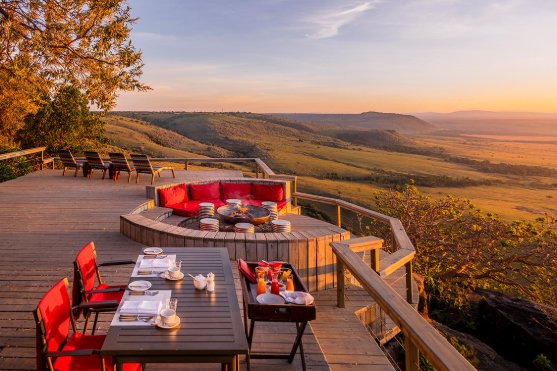
Angama Mara — Oloololo Escarpment, Mara Triangle, Kenya Ultra-Luxury
Maasai Mara, Kenya · 4 Nights

Angama Mara

Oloololo Escarpment, Mara Triangle, Kenya

On the Oloololo Escarpment rim, on private land immediately outside the Mara Triangle sector of Maasai Mara National Reserve, while a direct descent road leads into the reserve.

Just Outside The Park ★★★★★ Angama Mara details ↗
Kubu Kubu Migration Camp — Serengeti Plains, Tanzania Premium
Serengeti, Tanzania · 4 Nights

Kubu Kubu Migration Camp

Serengeti Plains, Tanzania

Located within Serengeti National Park, repositioning seasonally between the park's southern and northern sectors while the herds move.

Inside The Park ★★★★★ Kubu Kubu Migration Camp details ↗
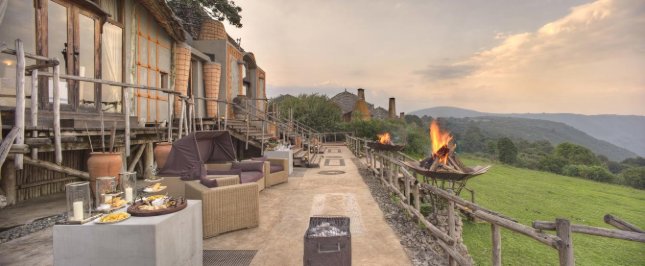
andBeyond Ngorongoro Crater Lodge — Ngorongoro Crater Rim, Tanzania Ultra-Luxury
Ngorongoro Crater · 2 Nights

andBeyond Ngorongoro Crater Lodge

Ngorongoro Crater Rim, Tanzania

Located within the Ngorongoro Conservation Area, directly on the crater's rim.

Inside The Park ★★★★★ andBeyond Ngorongoro Crater Lodge details ↗
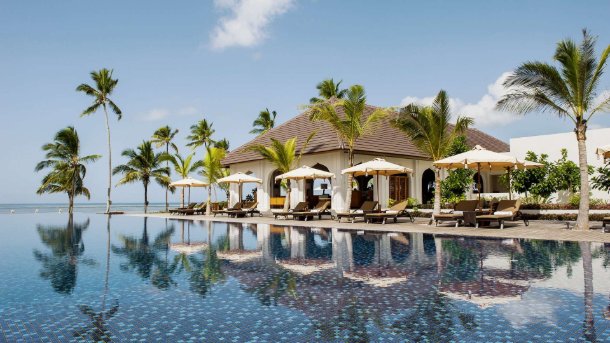
The Residence Zanzibar — Kizimkazi, South-West Coast, Zanzibar Ultra-Luxury
Zanzibar · 5 Nights

The Residence Zanzibar

Kizimkazi, South-West Coast, Zanzibar

A beachfront estate on Zanzibar's south-west coast — not affiliated with a national park.

Beachfront · No Park Affiliation ★★★★★ The Residence Zanzibar details ↗
Signature activities

Experiences built into this Great Migration & Zanzibar journey

✓Two separate guided mountain gorilla treks with different habituated families across two Bwindi sectors✓Batwa forest-edge cultural walk on Bwindi's Buhoma trail✓Kazinga Channel boat cruise among Uganda's densest hippo pods✓Dedicated Great Migration river-crossing positioning in both the Maasai Mara and northern Serengeti✓Off-road private-conservancy game drive with optional sunrise hot air balloon safari✓Grumeti River crossing-point game drive, Serengeti western reaches✓Two full Ngorongoro Crater floor descents on consecutive days, including Lerai Forest and the soda-lake flamingo shoreline✓Oldupai Gorge 'Cradle of Mankind' guided stop✓Stone Town UNESCO heritage walk, spice farm tour & sunset dhow cruise✓Optional Kizimkazi dolphin excursion and reef snorkeling in Zanzibar
Investment

Rates by accommodation tier

Accommodation TierPer Person Sharing (USD)Single Supplement
Classic Comfort $16,900 +$2,950
Premium $21,900 +$3,800
Ultra-Luxury $27,900 +$4,800

Rates are per person sharing, in USD, based on double occupancy during standard season (mid-May to mid-December); contact us for exact seasonal pricing, single-traveler rates and group discounts.

The fine print, made clear

What's included & what's not

What's Included

  • ✓All accommodation as per itinerary — 20 nights across four countries
  • ✓Two separate gorilla trekking permits per person, fully arranged in advance
  • ✓All park entry fees, conservation levies and both crater descent fees
  • ✓All internal flights and transfers between Bwindi, Queen Elizabeth NP, the Maasai Mara, Serengeti, Ngorongoro and Zanzibar
  • ✓Private 4x4 safari vehicle with pop-up roof and dedicated driver-guide throughout the mainland safari legs
  • ✓All meals as specified — full board on safari, daily breakfast in Zanzibar
  • ✓Bottled water and soft drinks during all game drives
  • ✓Batwa cultural walk, Kazinga Channel cruise, Stone Town and spice farm guided tours
  • ✓Sunset dhow cruise in Zanzibar
  • ✓Airport meet-and-greet transfers at Entebbe and Zanzibar
  • ✓24/7 in-country support from our local specialist team throughout all three weeks

What's Not Included

  • ✕International flights to Entebbe and from Zanzibar
  • ✕Uganda, Kenya, Tanzania and Zanzibar visa fees
  • ✕Comprehensive travel insurance (mandatory; proof required before departure)
  • ✕Optional hot air balloon safari, dolphin excursion and any additional gorilla trekking permits
  • ✕Alcoholic beverages outside of included house pours
  • ✕Personal expenses, spa treatments and shopping
  • ✕Gratuities for guides, trackers and lodge staff
Verified guest reviews

Rated by travelers on similar journeys

★★★★★
4.9/5
★★★★★
4.9/5
Booking made clear

How booking works

Four steps from your first message to your safari.

  1. Tell us what you have in mind

    Send your dates, group size and the places you want to see. A specialist replies within 24 hours.

  2. Get your itinerary and price

    We shape this journey around your dates and budget and send you a quote that shows what is and is not included.

  3. Confirm with a deposit

    A 40% deposit confirms your booking. Where your trip needs gorilla or park permits, we buy them once your deposit has been received and confirmed.

  4. Pay the balance and travel

    The final balance is due 60 days before departure, unless your booking confirmation says otherwise.

Cancellations and refunds follow our booking terms, and how we protect your trip and your payment explains how your money and permits are handled. Questions first? You can contact us at any time.

Common questions

Frequently asked questions

How much does the 21-day Uganda, Kenya, Tanzania & Zanzibar Safari cost?
Rates start from US$16,900 per person sharing, in US dollars, based on two people sharing. The three tiers are Classic Comfort US$16,900, Premium US$21,900, Ultra-Luxury US$27,900. The rates are valid for 2027 departures. The final quote depends on your dates, the camps you choose and the size of your group, and a single traveller pays a single supplement shown on this page.
When is the best time to take the 21-day Uganda, Kenya, Tanzania & Zanzibar Safari?
July to September. Fixed departure windows fill early on a route this long: book at least nine months ahead, and 9 to 12 months ahead for July to September. The herds follow the rain, so every month on this page is a guide, not a guarantee.
Is the 21-day Uganda, Kenya, Tanzania & Zanzibar Safari private or shared?
Private 4x4 with a pop-up roof and a dedicated driver-guide on the mainland legs. Ask us about the exact vehicle and guide arrangement when you request your quote.
How do I book the 21-day Uganda, Kenya, Tanzania & Zanzibar Safari, and how fast do you reply?
Send your dates and group size with the Request a Quote button, or message us on WhatsApp. A destination specialist replies within 24 hours with availability and a written proposal. To hold the dates: 40% deposite to confirm your booking.
Is 21 days physically demanding?
No — this is our most relaxed pacing, with rest mornings built in and never more than one activity per day in the later stages.
Can a second country be swapped for more Zanzibar time?
Yes, this itinerary is fully flexible; some travelers trade a day of Ngorongoro for an extra Zanzibar night.
Related journeys

You may also like

Browse All Safaris
Immersive TravelRetireesOnce-in-a-Lifetime
21 DaysTotal Duration
5 StopsRoute Legs
$16,900From, Per Person
Uganda, Kenya, Tanzania, ZanzibarCountries Visited
Gorillas, Great Migration & Zanzibar: The Grand Circuit From $16,900 per person, land + flights as specified · 21 days / 20 nights

Ask a question about this safari

Answered from our own real trip details above -- itinerary, inclusions, difficulty, and more. For an exact price, use "Enquire Now" below.

Ready to build this trip?

Tell us your dates and group size — a destination specialist replies within 24 hours.

Enquire Now
Plan My Trip