
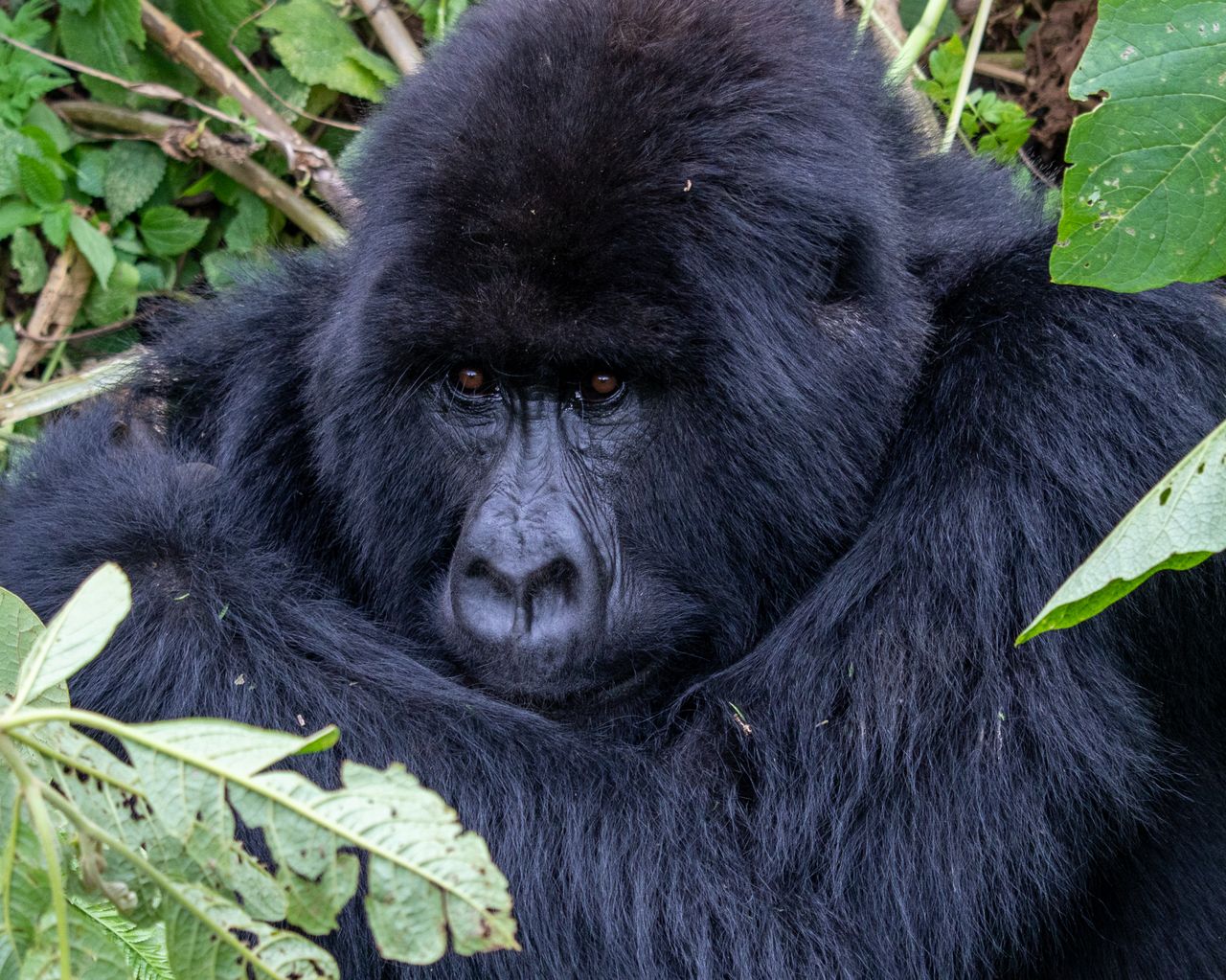
A Uganda safari combines things no other single country offers: mountain gorilla trekking in Bwindi and Mgahinga, Africa's best chimpanzee trekking in Kibale, savanna game drives with lions, elephants and buffalo in Queen Elizabeth, Murchison Falls and Kidepo, Nile boat safaris, and more than 1,000 bird species, including the shoebill. Plan 7–10 days for a classic trip, visit in the drier months of June–September or December–February, and budget for the gorilla permit ($800). It is quieter and often better value than Kenya or Tanzania, and our Uganda-based team plans every route first-hand.
Why go on safari in Uganda
Winston Churchill called Uganda "the Pearl of Africa" after travelling through it in 1907, and the name still fits. In a country roughly the size of the United Kingdom you move between snow-capped mountains, mist-covered rainforest, crater lakes, papyrus swamps, the River Nile and open savanna, often in a single week. No other safari destination packs this much variety into such short distances.
What makes a Uganda safari different is primates plus game. Elsewhere in East Africa you choose between a savanna safari and a gorilla trek. In Uganda you do both on the same trip: chimpanzees in the morning in Kibale, lions in Queen Elizabeth the next day, mountain gorillas in Bwindi after that. Add the Nile at Murchison Falls, tree-climbing lions at Ishasha and some of the best birding on the continent, and you have one of the most complete safaris in Africa.
It is also quieter. Uganda receives far fewer safari visitors than Kenya or Tanzania, so sightings are rarely crowded, lodges are smaller, and the experience feels personal. And because we are based here, we plan every route from first-hand knowledge of the roads, the lodges, the rangers and the seasons.
Uganda safari at a glance
| Best for | Mountain gorillas, chimpanzees, primates, birding, combining forest and savanna, travellers who want fewer crowds |
|---|---|
| Headline parks | Bwindi Impenetrable, Kibale, Queen Elizabeth, Murchison Falls, Kidepo Valley, Lake Mburo, Mgahinga |
| Ideal trip length | 7–10 days for the classic circuit; 3–4 days for a gorillas-only trip; 12–16 days for the whole country |
| Best time | June–September and December–February (drier); April–May and November are wetter, with low-season permit offers |
| Gorilla permit | $800 per foreign non-resident (see gorilla permits) |
| Park entry | About $35–$45 per person per day, depending on the park |
| Arrival airport | Entebbe International Airport (EBB), 40 km from Kampala; Kigali (Rwanda) for a short route to southern Bwindi |
| Visa | Uganda e-visa ($50) or the East Africa Tourist Visa ($100, covering Uganda, Kenya and Rwanda) |
| Health | Yellow fever vaccination certificate required; malaria area |
| Big Five | Lions, leopards, elephants and buffalo in the parks; rhinos at Ziwa Rhino Sanctuary |
The big Uganda safari experiences
1. Mountain gorilla trekking
Roughly half of the world's mountain gorillas live in Uganda's Bwindi Impenetrable National Park, with one more family in Mgahinga on the Virunga volcanoes. You trek with rangers to a habituated family and spend one unforgettable hour with them. Uganda's permit costs $800, against $1,500 in Rwanda, which makes it the best-value place in Africa to see gorillas. Everything you need to know is in our gorilla trekking in Uganda page, our Bwindi sector guide and the gorilla habituation experience guide for four hours with a family.
2. Chimpanzee trekking
Kibale Forest has one of the highest densities of primates in Africa and Uganda's most reliable chimpanzee trekking, with 13 primate species in all. Budongo (near Murchison) and Kyambura Gorge (in Queen Elizabeth) are quieter alternatives. Not sure which primate trek to prioritise? Read gorilla vs chimpanzee trekking.
3. Classic savanna game drives
Queen Elizabeth National Park offers lions, elephants, buffalo, Uganda kob and leopards, plus the famous tree-climbing lions of Ishasha. Murchison Falls adds giraffe, big herds and the Nile delta. Kidepo Valley, in the far north-east, is one of Africa's most beautiful and least visited wilderness parks, with cheetahs and big buffalo herds. Lake Mburo is the closest park to Kampala, with zebras, eland and walking and horseback safaris.
4. Boat safaris
Uganda is one of the best countries in Africa for wildlife from the water. The Kazinga Channel cruise in Queen Elizabeth brings you close to hippos, buffalo, elephants and huge numbers of water birds. The Nile cruise in Murchison Falls runs to the foot of the falls, where the river forces itself through a gap roughly seven metres wide. Read more in our River Nile guide.
5. Birding and the shoebill
More than 1,000 bird species have been recorded in Uganda, a remarkable number for its size. The prehistoric-looking shoebill is the bird everyone wants, and the Mabamba wetland near Entebbe is one of the best places in the world to see it (see our Entebbe day trips guide). Bwindi and the Albertine Rift forests hold many species found nowhere else. Our East Africa birding guide explains the best routes.
6. Golden monkeys, rhinos and more
Track rare golden monkeys in Mgahinga, walk with white rhinos at Ziwa Rhino Sanctuary on the way to Murchison (see rhino tracking), or climb the glaciated Rwenzori Mountains, the "Mountains of the Moon".
7. Adventure on the Nile
Jinja, at the source of the Nile, is East Africa's adventure capital: white-water rafting, kayaking, bungee jumping and quad biking. See Nile rafting in Jinja and our Jinja travel guide.
Uganda's wildlife: what you can see and where
This is what our guides realistically expect on a well-planned 10-day trip. "Very likely" means most of our guests see it; "possible" means it takes luck or a specific location.
| Animal | Best places | Likelihood |
|---|---|---|
| Mountain gorilla | Bwindi, Mgahinga | Very likely with a permit |
| Chimpanzee | Kibale; also Budongo, Kyambura Gorge | Very likely in Kibale |
| Golden monkey | Mgahinga | Very likely with a tracking permit |
| Elephant | Queen Elizabeth, Murchison Falls, Kidepo | Very likely |
| Buffalo | Queen Elizabeth, Murchison Falls, Kidepo | Very likely |
| Hippo and Nile crocodile | Kazinga Channel, the Nile at Murchison | Very likely |
| Lion | Queen Elizabeth (Kasenyi, Ishasha), Murchison Falls, Kidepo | Likely |
| Tree-climbing lions | Ishasha, Queen Elizabeth | Possible (see tree-climbing lions) |
| Rothschild's giraffe | Murchison Falls, Kidepo, Lake Mburo | Very likely in Murchison |
| Zebra and eland | Lake Mburo, Kidepo | Very likely in Lake Mburo |
| Uganda kob | Queen Elizabeth, Murchison Falls | Very likely |
| Leopard | Queen Elizabeth, Murchison Falls, Lake Mburo | Possible (see leopards in East Africa) |
| Cheetah | Kidepo Valley | Possible (see cheetahs) |
| White rhino | Ziwa Rhino Sanctuary (on foot) | Very likely at Ziwa |
| Shoebill | Mabamba wetland, Murchison delta | Likely with a dedicated trip |
For the Big Five specifically, see where to see the Big Five.
Uganda's national parks: where to go
Uganda has ten national parks, plus wildlife reserves and sanctuaries. This table is the short version; our Uganda national parks guide compares all ten in depth, and our Uganda destinations page shows the trips we run to each.
| Park | Best for | Nights | Full guide |
|---|---|---|---|
| Bwindi Impenetrable | Mountain gorillas, forest birding, Batwa culture | 2–3 | Bwindi sectors |
| Mgahinga Gorilla | Gorillas, golden monkeys, volcano hikes | 2 | Mgahinga guide |
| Kibale Forest | Chimpanzees, 13 primate species, crater lakes | 2 | Kibale chimps |
| Queen Elizabeth | Lions, Kazinga Channel boat trip, Ishasha tree-climbing lions | 2–3 | Queen Elizabeth guide |
| Murchison Falls | The falls, Nile cruise, giraffe, big game | 2–3 | Murchison guide |
| Kidepo Valley | Remote wilderness, cheetah, Karamoja culture | 2–3 | Kidepo guide |
| Lake Mburo | Zebra, eland, walking and horseback safaris | 1–2 | Lake Mburo guide |
| Rwenzori Mountains | Multi-day treks, Margherita Peak (5,109 m) | 3–9 | Rwenzori guide |
| Semuliki | Central African forest birds, hot springs | 1–2 | Semuliki guide |
| Mount Elgon | Hiking, caves, Sipi Falls nearby | 2–4 | Sipi Falls & Mount Elgon |
Types of Uganda safari
| Safari style | What it includes | Ideal length | Example trip |
|---|---|---|---|
| Gorilla safari | Bwindi or Mgahinga, often with Lake Bunyonyi | 3–5 days | Classic gorilla trekking safari |
| Primate safari | Gorillas plus chimps, golden monkeys and forest walks | 7–9 days | Uganda primates safari |
| Classic wildlife safari | Primates plus Queen Elizabeth and Murchison game drives and boat trips | 10–12 days | 10-day Uganda safari |
| Complete Uganda | The full circuit, including Murchison and Bwindi | 12–14 days | Complete Uganda safari |
| Birding safari | Shoebill, Albertine Rift endemics, Semuliki | 10–14 days | 14-day wildlife and birding safari |
| Family safari | Game drives, boat trips, chimps (age 12+), gorillas (age 15+) | 8–10 days | Uganda family primate safari |
| Gorillas and adventure | Gorillas plus the Nile and Jinja | 7–9 days | Gorilla trek and Nile adventure |
| Remote wilderness | Kidepo, Sipi and gorillas | 16–18 days | 18-day Kidepo and gorilla safari |
| Uganda and Rwanda | Gorillas in both countries | 7–10 days | Double gorilla safari |
| Uganda and Kenya or Tanzania | Gorillas plus the Great Migration | 10–14 days | Gorillas and migration safari |
Every trip can be private and tailor-made, at budget, mid-range or luxury level. Browse all our Uganda safari packages with prices, or see private vs group safaris to choose your style.
The best Uganda safari routes
These are the routes we recommend most often. Each one is a proven flow that keeps drives manageable and puts you in the right place at the right time of day.
3 days: gorillas only
Fly to Kigali or Entebbe. Day 1: transfer to southern Bwindi (about 4 hours from Kigali). Day 2: gorilla trek. Day 3: return, or rest at Lake Bunyonyi. Best for travellers combining Uganda with Kenya or Tanzania.
5 days: gorillas and the lakes
Entebbe → Lake Mburo (1 night) → Bwindi (2 nights, gorilla trek) → Lake Bunyonyi (1 night) → back to Entebbe or on to Kigali.
7 days: the primate classic
Entebbe → Kibale (2 nights, chimpanzees) → Queen Elizabeth (2 nights, game drives and Kazinga Channel) → Bwindi via Ishasha (2 nights, gorillas) → fly or drive back. This is Uganda's best-loved route.
10 days: primates and big game
Entebbe → Ziwa Rhino Sanctuary → Murchison Falls (2 nights) → Kibale (2 nights) → Queen Elizabeth (2 nights) → Bwindi (2 nights) → Lake Mburo (1 night) → Entebbe.
14 days: the whole country
Add Kidepo Valley by air, or Semuliki and the Rwenzori foothills, to the 10-day route, and finish in Jinja on the Nile.
For the best place to put gorillas in a longer trip, read gorillas first or last. First time trekking? Our gorilla trekking for beginners guide and fitness guide will help you prepare.
What a day on a Uganda safari looks like
A gorilla trekking day
Breakfast before 7am, then a short drive to the park office for a ranger briefing around 7:30–8am. Trekking groups of up to eight visitors are assigned to a gorilla family, and you set off with rangers, trackers and porters. The walk can take from under an hour to most of the day, through steep, often muddy forest. When the trackers find the family, you spend one hour with them, then walk back for a late lunch and an afternoon at your lodge or a community walk. Our gorilla trekking day guide walks you through it step by step.
A game-drive day
An early start at about 6:30am, when predators are most active, then back to the lodge for brunch and a rest in the midday heat. In the afternoon you take a boat trip, on the Kazinga Channel or the Nile, or a second drive until sunset. Evenings are for dinner, stories and stars.
A travel day
Uganda's beauty is part of the journey. Travel days pass tea plantations, crater lakes, banana farms and roadside markets, and good routes break the drive with a stop, such as crossing the equator, an Ishasha game drive on the way to Bwindi, or Ziwa's rhinos on the way to Murchison.
When to go
Uganda sits on the equator, so temperatures are pleasant all year, generally warm days and cooler nights, colder in the mountains. What changes is rain.
| Months | Conditions | Good to know |
|---|---|---|
| June–September | Main dry season | Peak demand for gorilla permits; book early |
| December–February | Short dry season | Excellent trekking; very busy over Christmas |
| March–May | Long rains, heaviest in April and May | Muddier treks, green landscapes, low-season permit offers |
| October–November | Short rains | Still very workable; fewer visitors |
Gorilla trekking runs all year. Month-by-month detail is in best time to visit Uganda and best time to see gorillas in Uganda. Travelling over the holidays? See Christmas and New Year safaris.
How much a Uganda safari costs
Four things decide the price of a Uganda safari: permits, park fees, your lodge level, and transport (road or domestic flights).
- Gorilla permit: $800 per foreign non-resident. Tour operators citing a Uganda Wildlife Authority notice of 26 February 2026 report that it stays at $800 from 1 January 2027, while gorilla habituation rises to $1,800 and Kibale chimp tracking to $300. Low-season offers have applied in April, May and November.
- Park entry: about $35–$45 per person per day.
- Lodges: from simple guesthouses to some of Africa's finest forest lodges.
- Transport: a private 4x4 with a driver-guide is the standard; domestic flights save long drives.
As a realistic benchmark, a 10-day multi-park Uganda trip with gorillas at a comfortable mid-range level starts from about $6,900 per person. Our Uganda safari cost guide breaks down every line item at budget, mid-range and luxury levels, and our gorilla permit cost comparison explains why Uganda is the best-value gorilla destination.
Getting there and getting around
Arriving
Most travellers fly into Entebbe International Airport, on Lake Victoria about 40 km from Kampala. Many airlines connect Entebbe with Europe, the Middle East and the rest of Africa. If your trip focuses on southern Bwindi or Mgahinga, flying into Kigali in Rwanda and crossing the border can save most of a day; see our Uganda–Rwanda border crossing guide.
By road
Most Uganda safaris are road trips in a private 4x4 with a professional driver-guide. Roads have improved greatly, but distances take longer than the map suggests. Typical drive times:
| Route | Approximate time |
|---|---|
| Entebbe or Kampala → Murchison Falls | 5–6 hours (via Ziwa) |
| Kampala → Kibale (Fort Portal) | 5–6 hours |
| Kibale → Queen Elizabeth | 2.5–3 hours |
| Queen Elizabeth → Bwindi (via Ishasha) | 3–5 hours, depending on the sector |
| Bwindi → Lake Mburo | 4–5 hours |
| Kigali → southern Bwindi (Rushaga, Nkuringo) | About 4 hours |
| Entebbe → Bwindi | 8–10 hours (usually split with a night at Lake Mburo) |
By air
Scheduled and charter domestic flights link Entebbe with airstrips near Bwindi, Queen Elizabeth, Murchison Falls and Kidepo. Flying in and out saves time and energy; see fly-in vs road safari. Want to drive yourself? Read our self-drive safari guide first.
Where to stay
Uganda's lodges range from simple community bandas to world-class luxury forest lodges, and most are small and personal. Near the gorillas, accommodation is mostly lodge-style because the climate is cool and wet; in the savanna parks you can choose between lodges and tented camps (see tented camp vs lodge). Pick your Bwindi lodge by the sector where your permit is, not the other way round. Browse selected properties on our lodges page.
Visas, health and entry
- Visa: apply online for a Uganda e-visa ($50 single entry) or the East Africa Tourist Visa ($100, valid for Uganda, Kenya and Rwanda). See visa requirements for all five destinations.
- Yellow fever: a yellow fever vaccination certificate is required to enter Uganda. See our yellow fever certificate guide.
- Malaria: Uganda is a malaria area; take medical advice on antimalarials (malaria and vaccinations).
- Insurance: carry travel insurance that covers medical evacuation (safari insurance guide).
- Practical: pack for forest and savanna with our safari packing list, sort your phone with SIM cards and WiFi, and plan gratuities with our tipping guide.
Our Uganda travel information page has the full practical checklist.
Is Uganda safe for a safari?
For the overwhelming majority of visitors, yes. Uganda is known for its warm, welcoming people, and organised safaris with professional driver-guides and ranger-led activities are very safe. As in any country, there are sensible precautions and honest caveats:
- Parks and security: in October 2023, an attack in Queen Elizabeth National Park killed two foreign visitors and their Ugandan guide. Security in and around the parks was reinforced afterwards, and we follow official guidance on every route, including armed ranger escorts where advised.
- Border areas: some governments advise caution near parts of the borders with DR Congo and South Sudan, and in parts of the north-east. Check your government's current advice before you book; we plan routes accordingly.
- Cities: in Kampala, use trusted transport and keep valuables out of sight, as in any big city.
- LGBTQ+ travellers: Uganda's laws on same-sex relationships are among the strictest in the world, so please read your government's travel advice and talk to us in confidence when planning.
- Wildlife: follow your guide and ranger at all times, especially on walks and treks.
Our East Africa safety guide explains how we assess risk, and our how we protect your trip page explains the safeguards we put in place.
A Uganda safari for every kind of traveller
- First-time safari travellers: the 7-day primate classic gives you gorillas, chimps and big game without long transfers. Start with our first-time safari planning guide.
- Families: boat safaris, game drives and Lake Mburo's walking safaris suit children; chimp tracking starts at 12 and gorilla trekking at 15. See the best age for a family safari.
- Honeymooners: pair a luxury forest lodge in Bwindi with a few days on Zanzibar; see honeymoon safari and Zanzibar.
- Older travellers and those with limited mobility: choose an easier gorilla family, use porters, consider fly-in routes, and read senior and accessible safaris.
- Solo travellers: Uganda is friendly and easy to travel with a private guide; see solo safari cost and safety.
- Photographers: gorillas and chimps reward a fast lens and a high-ISO camera, and the Kazinga Channel is superb for birds; see our photographic safari.
- Birders: Uganda is one of Africa's top birding countries; see the Uganda birding and gorilla safari.
- Adventure travellers: add Nile rafting, the Rwenzoris or a cycling safari.
Common Uganda safari mistakes to avoid
- Booking lodges before gorilla permits. Permits decide which Bwindi sector you trek in; book them first.
- Underestimating drive times. Plan no more than 5–6 hours of driving on most days, or fly.
- Doing gorillas on arrival day plus one. Leave a buffer in case of flight delays; a missed permit is not refunded.
- Skipping Kibale. Chimps are the perfect warm-up for gorillas and a highlight in their own right.
- Too many parks in too few days. Two nights per park is the sweet spot.
- Forgetting the yellow fever certificate. It is checked on arrival.
- Packing for heat only. Bwindi and Mgahinga mornings are cool and wet; bring layers and a rain jacket.
- Not bringing gardening-style gloves and gaiters for the forest: nettles and mud are part of the trek.
- Leaving it late for June–September and Christmas. Permits and the best lodges sell out months ahead.
- Choosing on price alone. Ask any operator about licensing, guides and on-the-ground support.
Uganda vs Kenya, Tanzania and Rwanda
| If you want… | Uganda | The alternative |
|---|---|---|
| Mountain gorillas at the best price | Yes: $800 permit | Rwanda: $1,500, but shorter transfers |
| Chimpanzees | Best in East Africa (Kibale) | Rwanda (Nyungwe), Tanzania (Gombe, Mahale) |
| The Great Migration | No | Kenya (Maasai Mara), Tanzania (Serengeti) |
| Big Five on open plains | Four in the parks, rhinos at Ziwa | Kenya and Tanzania |
| Fewer crowds | Yes | Busier in peak season |
| A beach finish | Fly to Zanzibar | Kenya coast, Zanzibar |
Full comparisons: Uganda vs Kenya, Uganda vs Tanzania and Uganda vs Rwanda. Want more than one? See Uganda and Kenya together, Uganda and Rwanda gorilla trekking and gorillas and the Great Migration.
Beyond the parks: culture, the Nile and lakes
- Kampala: markets, the Kasubi Tombs, Namugongo and a lively food scene. On 3 June, millions mark Uganda Martyrs Day.
- Entebbe and Lake Victoria: shoebills at Mabamba, Ngamba Island chimpanzee sanctuary and the botanical gardens. See also our Lake Victoria guide.
- Lake Bunyonyi: a terraced lake of islands, perfect for rest days after gorillas.
- Sipi Falls: waterfalls, coffee farms and hikes in the east.
- Caves and cycling: lava caves near the volcanoes and cycling safaris.
- Food: try a rolex, luwombo and matoke; see our East African food guide.
Responsible travel and conservation
Your Uganda safari directly funds conservation. Gorilla permit and park fees pay for ranger patrols, veterinary care and community projects, and part of park revenue is shared with communities living around the parks. That model is one reason mountain gorilla numbers have grown; read how many mountain gorillas are left. Choose community-run experiences such as Batwa visits, buy crafts directly from makers, and follow the trekking rules on distance and health. See responsible and sustainable safari travel.
Why plan your Uganda safari with a Uganda-based operator
Paramount Gorilla Expeditions is a licensed tour operator based in Uganda. That matters on a Uganda safari more than almost anywhere else:
- Permits: we book gorilla and chimp permits directly and know how availability moves through the year.
- Routes: our team drives these roads every month, so we know which routes are slow after rain and which lodges are worth the price.
- Guides: you travel with our own professional driver-guides.
- Support on the ground: if a flight is delayed or a road closes, we are here to fix it, in your time zone and ours.
- Honesty: we will tell you when a park is not worth the drive. Read what guests say in our reviews.
How to plan and book your Uganda safari
- Choose your must-dos: gorillas, chimps, big game, birding, or all of them.
- Fix your dates and length: 7–10 days suits most travellers.
- Secure gorilla permits early: 6–12 months ahead for peak months. See when to book gorilla permits and how to book gorilla permits.
- Pick your style and lodges: budget, mid-range or luxury; road or fly-in.
- Let us build it: our Uganda-based specialists design the route, book permits and lodges, and look after you on the ground.
Tell us your dates, interests and budget. A Uganda-based specialist will reply within 24 hours with a tailor-made itinerary and an honest price.
Start planning my Uganda safariFirst safari ever? Start with our first-time safari planning guide and the questions to ask a safari operator.
To walk across Bwindi from Buhoma to Nkuringo, see our trek guide.
To look for the African green broadbill and other rift endemics, see our birding in Bwindi guide.
For 7, 10 and 14 day routes, see our Uganda safari itinerary guide.
For a family trip to Uganda, see our Uganda family safari guide.
For a shoebill trip from Entebbe, see our shoebill and Mabamba Swamp guide.